
India has reduced the windfall tax on petrol, diesel and ATF exports, but domestic petrol and diesel duties remain unchanged. Here is what the latest move means for refiners and consumers.
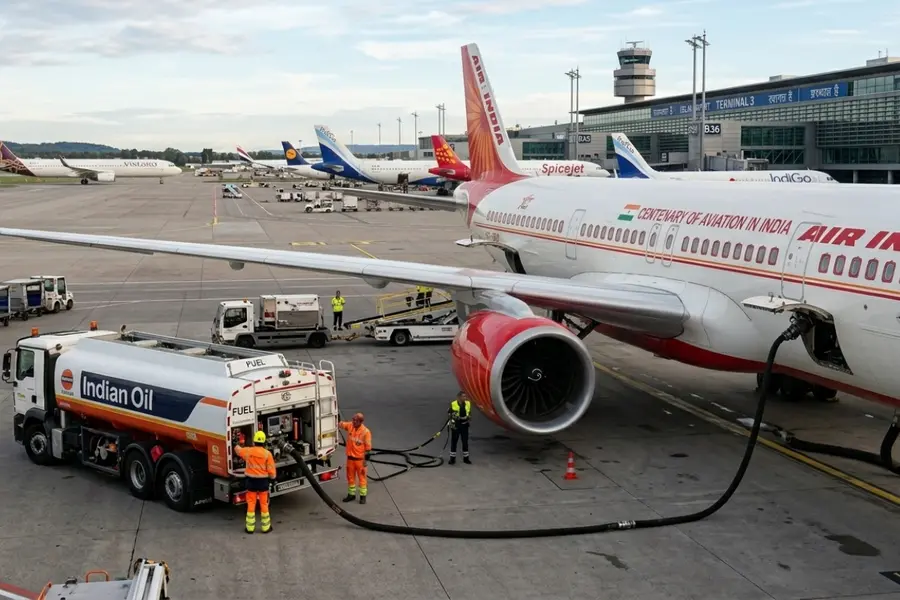
Mumbai: The government has cut the windfall tax on exports of petrol, diesel and aviation turbine fuel (ATF), effective September 16, as part of its fortnightly review of fuel export duties. The move lowers the levy on exporters while leaving duties on petrol and diesel sold in the domestic market unchanged.
What has changed in the windfall tax?
Also Read

For the fortnight beginning September 16, the government has reduced the Special Additional Excise Duty (SAED) and related road and infrastructure cess on fuel exports.
The revised rates are:
| Fuel | Earlier rate | New rate |
|---|---|---|
| Diesel exports | ₹25/litre | ₹20/litre |
| ATF exports | ₹19/litre | ₹15/litre |
| Petrol exports | ₹1.50/litre | ₹0.50/litre |
The changes took effect from September 16, according to a Finance Ministry notification.
There has been no change in the existing duty rates on petrol and diesel cleared for domestic consumption.
Why did the government introduce the tax?
India introduced export duties on diesel and ATF on March 27 amid the escalation of the West Asia conflict and subsequently began reviewing the rates every fortnight.
A levy on petrol exports was introduced from May 16.
The measures were aimed at ensuring adequate domestic fuel availability while preventing exporters from benefiting disproportionately from differences between domestic and international fuel prices during periods of elevated global energy prices.
What does the cut mean for refiners?
Lower export duties reduce the amount exporters pay to the government on every litre of eligible fuel shipped overseas.
This can improve the economics of exporting refined petroleum products, particularly for refiners with significant export exposure. However, the actual impact on individual companies will depend on international fuel prices, refining margins, export volumes, crude costs and other operating factors.
The reduction therefore does not automatically translate into a specific increase in profits or share prices for any particular refiner.
Will petrol and diesel become cheaper in India?
Not directly.
The latest decision concerns export duties. The government has not changed the applicable duties on petrol and diesel cleared for domestic consumption.
Retail fuel prices also depend on factors including international petroleum product prices, crude oil costs, exchange rates, freight and domestic taxes, as well as pricing decisions by oil marketing companies.
As a result, the export-duty reduction by itself does not mean that petrol or diesel prices at Indian fuel stations will fall.
What does it mean for the government?
A lower export levy means the government will collect less SAED and related cess from the affected fuel exports, assuming other factors remain unchanged.
The reduction also reflects the government's fortnightly approach to adjusting the levy according to developments in the international energy market.
Why the move matters for the energy market
The decision comes against a backdrop of continuing geopolitical uncertainty and changing global oil-market conditions.
By lowering the export levy, the government reduces the tax burden on fuel shipments while retaining the ability to revise the rates during subsequent fortnightly reviews.
For refiners, the change can alter the relative attractiveness of domestic sales and overseas exports. For consumers, however, the immediate effect is limited because domestic petrol and diesel duty rates have not been changed.
The latest decision is primarily an export-tax adjustment rather than a retail fuel-price measure.
The reduction is significant for exporters because the duty on diesel has fallen by ₹5 per litre, ATF by ₹4 and petrol by ₹1 compared with the previous fortnight. But the impact on refining companies will vary according to how much fuel they export and the margins available in overseas markets.
For consumers, the key point is that the government has kept the domestic duty structure unchanged. Therefore, the latest notification should not be interpreted as a direct cut in petrol or diesel prices.
The fortnightly review mechanism also means that the current rates are not necessarily permanent. Future changes will depend on developments in international crude and refined-product markets and the government's assessment of domestic fuel availability.
Published: 17 Sept 2026, 09:04 am IST
ABOUT THE AUTHOR
Disclaimer: Kindly avoid objectionable, derogatory, unlawful and lewd comments, while responding to reports. Such comments are punishable under cyber laws. Please keep away from personal attacks. The opinions expressed here are the personal opinions of readers and not that of Mathrubhumi.