
The Russia-Ukraine war is seeing intensified drone warfare, with Ukraine reporting the death of a Russian general and Russia carrying out fresh strikes on Kyiv, Odesa and transport infrastructure.
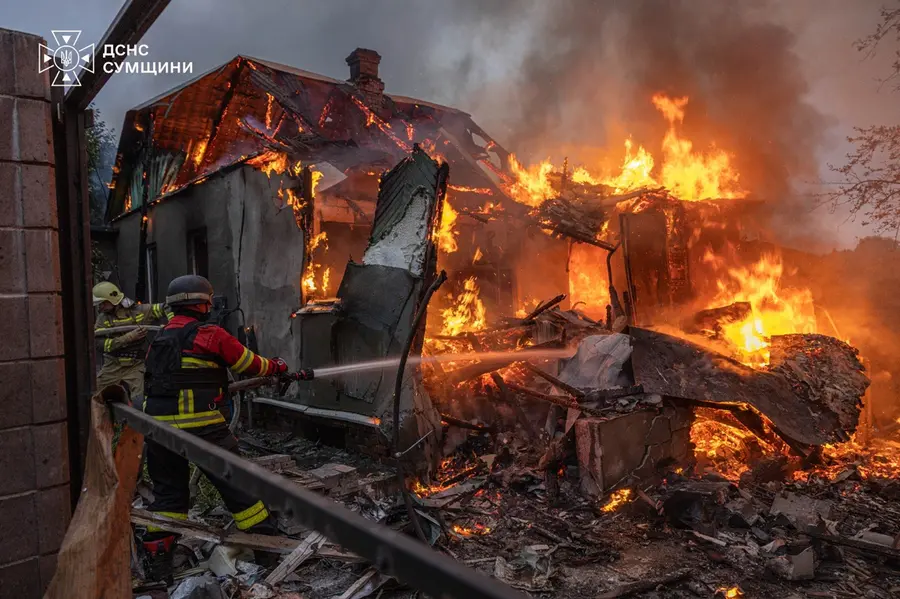
Moscow: The Russia-Ukraine war has seen renewed attacks on military, civilian and energy infrastructure, with Ukrainian forces reporting the death of a decorated Russian general while Russian strikes have hit Kyiv, Odesa and transport facilities across Ukraine.
Ukrainian drone forces say they killed Major General Anton Grunis in a strike on September 12 in Russian-held territory in Ukraine's Donetsk region. Russian commander Apti Alaudinov also confirmed Grunis' death, although Russia's Defence Ministry has not publicly commented on the report.
Also Read

Grunis had recently received the Hero of Russia award after reporting to President Vladimir Putin about Russian military operations around Kostiantynivka. Ukraine and independent military analysts have disputed Russian claims that the city was fully captured.
The Ukrainian drone commander who announced Grunis' death said he was the seventh Russian commander killed by his units, though that broader claim has not been independently verified.
Russian strikes hit Kyiv and Odesa
Russian airstrikes in the early hours of September 17 injured 13 people in Kyiv and Odesa, according to Ukrainian officials cited by Reuters.
In Kyiv, debris struck residential buildings, warehouses and an area near a petrol station. In Odesa, a 19-storey apartment building was hit, injuring three people, including a child.
The attacks add to a recent pattern of Russian strikes involving drones and missiles against Ukrainian cities and infrastructure.
Russian drones hit bus and train
Russian drones also attacked a passenger bus near Nikopol, killing five people and injuring others, according to Ukrainian officials.
A passenger train in the Mykolaiv region was attacked three times. Passengers and crew were evacuated and no deaths were reported in that incident.
The attacks highlight the growing importance of transport infrastructure in the conflict, alongside continued strikes on energy facilities.
Ukrainian drone attacks have also affected Russian oil-refining capacity. Reuters reported that the Rosneft-owned Syzran and Saratov refineries halted processing following recent drone attacks.
The disruptions have added to domestic fuel-supply pressures in Russia. Moscow has extended its diesel export ban until the end of October after previously restricting exports of gasoline, diesel and jet fuel.
Conflict increasingly extends beyond the frontline
The latest developments show how the war is increasingly involving long-range drone strikes against military, energy and transport infrastructure far from the main frontline.
Ukraine has targeted Russian refineries and other facilities in an effort to affect Russia's military and economic capacity, while Russia continues large-scale drone and missile attacks against Ukrainian cities and infrastructure.
There have also been incidents involving drones near NATO territory. Lithuania reported that a Russian-made Gerbera drone was shot down after entering its airspace, while Poland recovered another Gerbera-2 drone carrying explosives from the Baltic Sea.
The latest phase of the Russia-Ukraine war is being shaped not only by fighting around contested eastern Ukrainian cities but also by attacks on energy, transport and industrial infrastructure.
For Russia, Ukrainian strikes on refineries have created additional pressure on domestic fuel supplies. For Ukraine, Russian attacks on cities, railways and energy infrastructure continue to affect civilian life and economic activity.
The reported death of Grunis also illustrates the risks facing senior Russian commanders as Ukraine expands its use of drones for battlefield strikes. Meanwhile, the reported attacks involving drones near NATO territory underline the wider security implications of the conflict for neighbouring European countries.
Published: 17 Sept 2026, 08:19 am IST
ABOUT THE AUTHOR
Related Topics
Disclaimer: Kindly avoid objectionable, derogatory, unlawful and lewd comments, while responding to reports. Such comments are punishable under cyber laws. Please keep away from personal attacks. The opinions expressed here are the personal opinions of readers and not that of Mathrubhumi.