
Are you eligible for LPG subsidy? Oil companies are tightening income checks. Read how to verify your status and stay safe from DAC delivery fraud today.
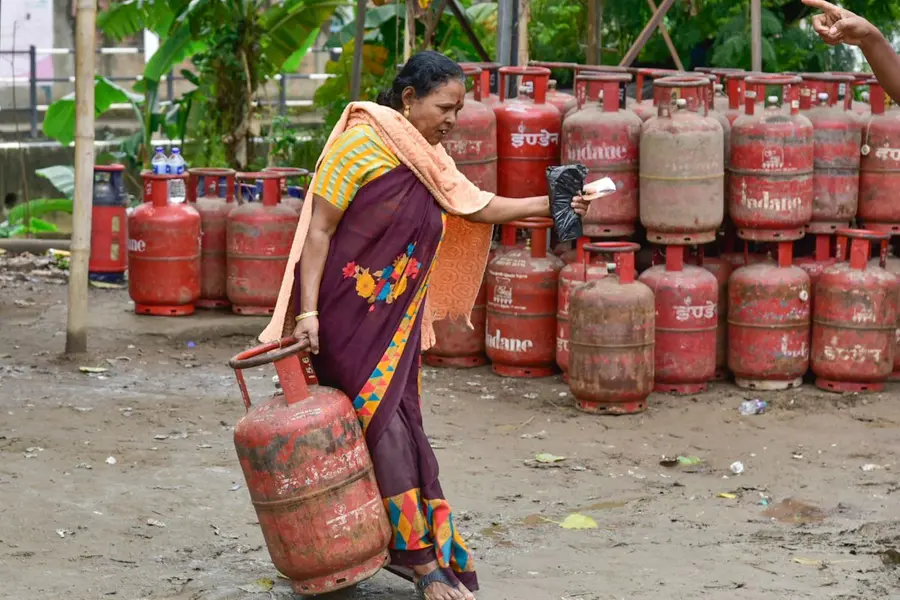
Consumers receiving LPG subsidy are now getting fresh warning messages from oil companies as the Centre tightens checks on cooking gas subsidy eligibility using Income Tax Department records. Indian Oil Corporation, Hindustan Petroleum Corporation Limited and Bharat Petroleum Corporation Limited have started identifying customers whose annual taxable income or that of their spouse exceeds Rs 10 lakh, making them ineligible for LPG subsidy under existing government rules.
The latest notices warn that the subsidy could be discontinued permanently if consumers fail to respond within seven days. The move marks a major shift from the earlier self-declaration system, with oil marketing companies now directly matching LPG customer details with official income tax data.
Under rules introduced in December 2015, households with annual taxable income above Rs 10 lakh are not eligible for LPG subsidy benefits. Officials say the stricter verification process is aimed at ensuring subsidy support reaches lower-income families and beneficiaries under schemes such as Ujjwala Yojana.
Consumers who believe the warning has been issued incorrectly can raise objections through the toll-free helpline 1800-2333-555 or via the grievance portal of the respective oil company. The government is using “Gross Taxable Income” mentioned in Income Tax Returns as the primary benchmark for deciding subsidy eligibility.
Officials have also indicated that linked family income details available in official records may be considered during verification.
Why are oil companies tightening LPG subsidy checks?
The latest LPG subsidy crackdown comes amid efforts to prevent ineligible households from continuing to receive government support. Oil companies have now integrated tax data verification systems to automatically detect customers crossing the income threshold.
At the same time, companies have tightened delivery rules through the mandatory Delivery Authentication Code (DAC) system. Under the new process, LPG cylinders are delivered only after customers share a verification code with the delivery agent.
The DAC system has been introduced to prevent unauthorised diversion of LPG cylinders, but oil companies are also warning customers about rising cyber fraud linked to fake delivery messages and OTP scams.
Hindustan Petroleum Corporation Limited recently cautioned users against sharing OTPs received through suspicious calls, WhatsApp messages or unknown links. The company said genuine HP Gas delivery messages are sent only through the official sender ID “VM-HPGASc-S” and contain a four-digit OTP meant solely for cylinder delivery verification.
Bharat Petroleum Corporation Limited has also issued similar advisories asking customers to stay alert against fake LPG delivery scams.
How can Indane and HP Gas users identify fake LPG delivery messages?
Cyber experts and oil companies have advised consumers to verify whether they have actually booked a cylinder before trusting any delivery-related SMS. Customers should check if the message has come from official sender IDs such as VK-INDANE or VM-INDANE.
Users are also advised to confirm booking numbers, invoice details and DAC codes before sharing any information. The DAC should only be shared when the delivery executive arrives at the doorstep with the LPG cylinder.
Published: 11 May 2026, 01:25 pm IST
Related Topics
Disclaimer: Kindly avoid objectionable, derogatory, unlawful and lewd comments, while responding to reports. Such comments are punishable under cyber laws. Please keep away from personal attacks. The opinions expressed here are the personal opinions of readers and not that of Mathrubhumi.
