
Modi's fresh appeal to curb gold buying hits jewellery shares, reviving crucial debates on imports and recycling.
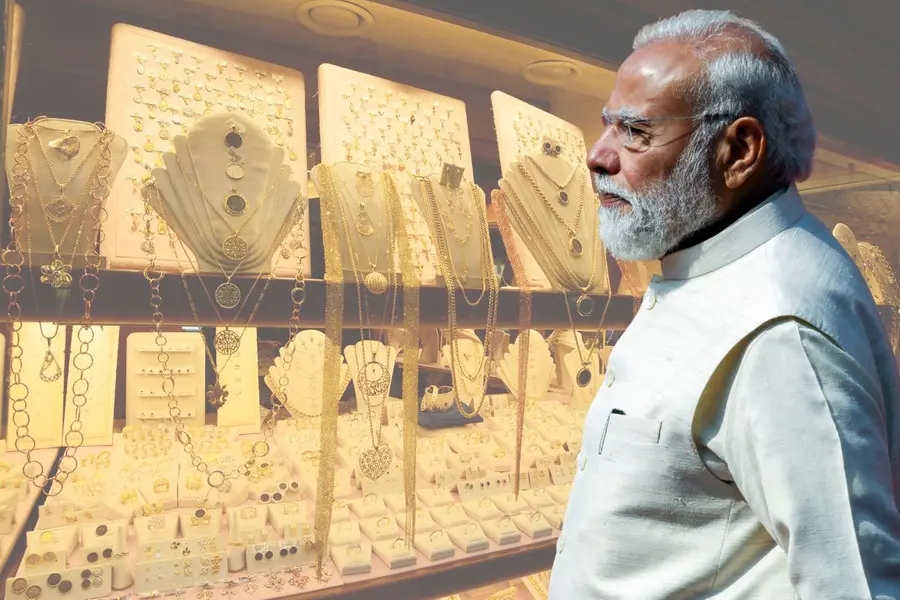
Prime Minister Narendra Modi has repeated his appeal to citizens to halt non-essential gold purchases, sending key jewellery stocks sliding on Tuesday morning. In a social media post, the Prime Minister championed self-reliance and the "Swadeshi" movement, arguing that reducing gold buying is a vital step toward building a developed nation by the centenary of India's independence. While the message is framed around national pride, it has immediately shaken retail financial sentiment.
Share prices responded swiftly to the statement on Tuesday morning. Titan Company fell by over one per cent, while Kalyan Jewellers dropped more than two per cent in early trading. Thangamayil Jewellery and BlueStone registered similar losses, leaving Senco Gold as the sole major stock trading in the green. This market reaction mirrors a more severe sell-off in May, when Modi's initial call to limit discretionary spending, foreign weddings, and gold purchases wiped out nearly ₹35,000 crore of market value in one day.
Anxiety on the high street
During those previous remarks in May, local traders reacted with alarm. Members of the Sarafa Association in Lucknow staged peaceful demonstrations, warning that the sudden drop in demand threatened an already sluggish market plagued by high prices. Small and medium business owners emphasized that the gold sector supports thousands of families directly and indirectly. Jewellery making, transport, and polishing provide essential livelihoods across the country, making any sudden drop in retail demand a direct threat to household incomes.
Unlocking India's hidden reserves
Industry experts are divided over how to handle the country's massive appetite for gold. Some argue that consumption will remain steady due to deeply rooted wedding traditions, viewing the impact as psychological rather than structural. Others suggest that the solution lies not in cutting demand, but in mobilising the estimated 25,000 tonnes of passive gold currently locked inside household vaults. Experts are advocating for scientific gold recycling and formal bullion banking systems to channel these dormant domestic assets back into the active economy, thereby easing the pressure on foreign exchange reserves.
The hidden environmental cost
The issue is further complicated by a massive ecological footprint. Since India produces almost no gold of its own, it imports around 800 to 900 tonnes annually, creating a huge import bill. Much of this trade bypasses official channels, fueling illegal mining networks overseas that use toxic mercury and cyanide. This smuggling contributes to global deforestation, river pollution, and hazardous labour conditions. While cutting demand could reduce these environmental damages, it risks displacing vulnerable, unregulated workers—especially women—who occupy the lowest tiers of the traditional jewellery workforce.
Published: 01 Sept 2026, 01:00 pm IST
Related Topics
Disclaimer: Kindly avoid objectionable, derogatory, unlawful and lewd comments, while responding to reports. Such comments are punishable under cyber laws. Please keep away from personal attacks. The opinions expressed here are the personal opinions of readers and not that of Mathrubhumi.
