
The Centre has transferred the CBSE Chairman and Secretary and ordered an inquiry into the procurement of On-Screen Marking (OSM) services, escalating a controversy that has raised broader questions about transparency, accountability and trust in India's examination system.
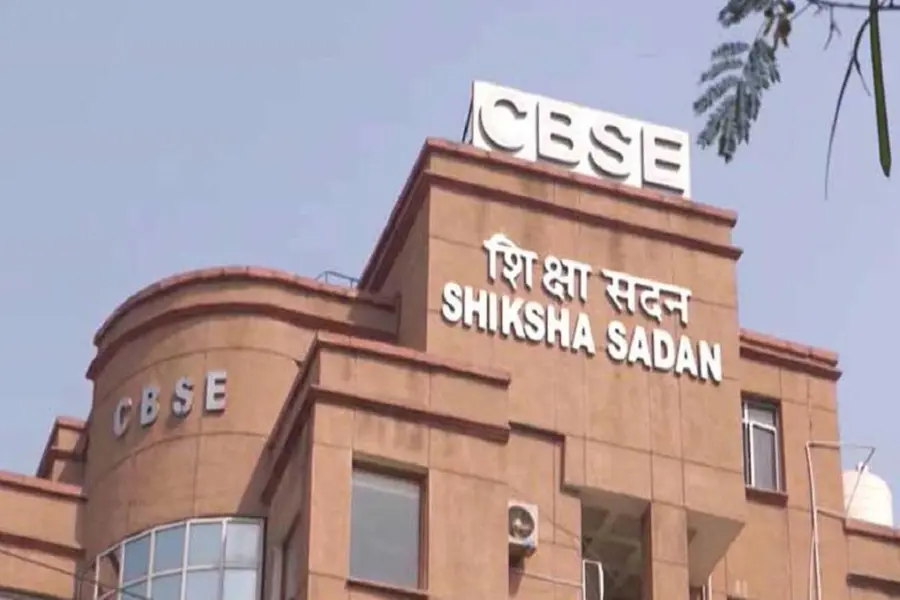
New Delhi: The Centre's decision to transfer the CBSE Chairman and Secretary and order an inquiry into the On-Screen Marking (OSM) procurement process marks one of the most significant administrative responses to an education controversy in recent years. However, for lakhs of students and parents, the action comes only after weeks of confusion, allegations and growing concerns over the credibility of a system that directly affects academic futures.
The controversy extends far beyond a technical glitch or a website malfunction. At its core are questions about transparency, accountability and trust in India's largest school examination board, which evaluates millions of students every year.
Also Read

How the controversy unfolded
The issue gained national attention after students attempting to access scanned copies of their answer sheets reported multiple problems. Complaints ranged from blurred pages and missing sections to difficulties accessing documents through the board's online systems.
What initially appeared to be isolated technical issues soon snowballed into a larger controversy when concerns emerged over the OSM platform itself and the process through which the evaluation contract was awarded.
Questions were raised about procurement procedures, vendor selection, data security, transparency and the handling of post-result services such as answer-sheet access, verification and re-evaluation.
As complaints mounted, students, parents, education activists and opposition leaders began demanding answers.
Why the issue is bigger than a portal problem
For students, board examination results are not merely marks on a scorecard. They determine college admissions, scholarship opportunities, competitive exam eligibility and, in many cases, future career paths.
When students cannot clearly view answer sheets or face obstacles in accessing re-evaluation mechanisms, it creates uncertainty around the fairness of the assessment process itself.
The controversy has therefore evolved into a debate about whether sufficient safeguards were in place before implementing a technology-driven evaluation system on such a massive scale.
Experts have repeatedly pointed out that digital transformation in education can improve efficiency, but only when transparency, testing and accountability mechanisms are robust enough to handle millions of users.
A crisis of confidence
Perhaps the biggest challenge facing CBSE is not technological but institutional.
Over the past several weeks, social media platforms, student groups and parent communities have been flooded with questions about answer-sheet access, evaluation procedures and procurement decisions.
The issue has become particularly sensitive because it follows a series of national debates around examination administration, paper leaks, recruitment tests and educational governance.
As a result, the controversy has fuelled wider concerns about whether India's examination systems are keeping pace with the scale and complexity of modern education.
Government action signals seriousness
The transfer of the CBSE Chairman and Secretary is being viewed as an acknowledgment that the controversy has reached a level where routine explanations are no longer sufficient.
The inquiry committee's findings will be closely watched because they are expected to examine how the OSM services were procured, whether established procedures were followed and whether any lapses occurred during implementation.
For many observers, the investigation is not just about identifying responsibility but about restoring confidence in the examination system.
What students want now
Students and parents are seeking more than administrative changes. They want clear answers about how the system functioned, whether any irregularities occurred and what safeguards will be introduced to prevent similar problems in the future.
Education experts argue that transparency in evaluation processes is essential because trust is the foundation of any examination system. Once that trust is questioned, rebuilding it becomes significantly more difficult than fixing a technical platform.
Why the outcome matters
The CBSE serves millions of students across India and abroad. Any controversy involving its evaluation systems has consequences far beyond a single examination cycle.
The inquiry's conclusions could influence how future digital evaluation systems are designed, how educational contracts are awarded and how students interact with examination authorities.
For now, the transfers and inquiry represent a major turning point in a controversy that has exposed concerns about governance, technology and accountability in Indian education. The larger question that remains is whether the investigation will merely address immediate complaints or lead to deeper reforms in how one of the country's most important examination systems operates.
Published: 02 Jun 2026, 06:15 pm IST
Related Topics
Disclaimer: Kindly avoid objectionable, derogatory, unlawful and lewd comments, while responding to reports. Such comments are punishable under cyber laws. Please keep away from personal attacks. The opinions expressed here are the personal opinions of readers and not that of Mathrubhumi.