
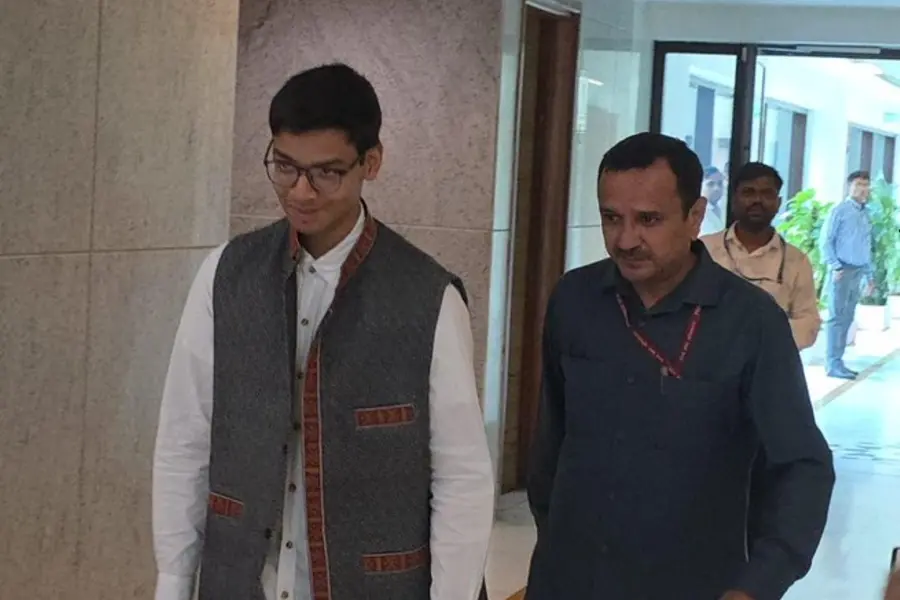
Seventeen-year-old Sarthak Sidhant, whose investigation into CBSE's On-Screen Marking (OSM) system sparked a national debate, is set to present his findings before a Parliamentary Standing Committee examining concerns related to Class 12 evaluation.
New Delhi: A student whose independent research triggered questions about the Central Board of Secondary Education's (CBSE) On-Screen Marking (OSM) system is now set to address lawmakers directly.
Sarthak Sidhant, a 17-year-old student, will appear before the Parliamentary Standing Committee on Education, Women, Children, Youth and Sports to present findings related to the OSM evaluation system used in CBSE Class 12 examinations.
Also Read

The committee is expected to review the implementation of the digital marking process as well as concerns raised by students regarding transparency, procurement procedures and evaluation practices.
How did the controversy begin?
The issue gained attention after Sarthak published a detailed analysis on his website following a review of tender documents available on the Central Public Procurement Portal.
His research focused on contracts related to the On-Screen Marking system used by CBSE for evaluating Class 12 answer sheets.
According to Sarthak, changes made across multiple rounds of the tender process appeared to benefit a particular company, Coempt EduTeck. He alleged that eligibility requirements and technical criteria were modified over time, raising questions about fairness and transparency.
His findings quickly gained traction online and drew attention from students, education experts, political leaders and sections of the media.
What concerns did Sarthak raise?
In his published analysis, Sarthak claimed there were numerous discrepancies in the tendering process.
Among the issues highlighted were:
- Changes in eligibility requirements across different tender rounds.
- Modifications to technical criteria.
- Removal of certain clauses related to poor performance.
- Changes in blacklisting conditions for service providers.
One of his key observations involved the alteration of conditions relating to vendors with previous records of poor performance.
According to Sarthak, clauses that existed in earlier tender documents were either modified or removed in later versions, prompting questions about the rationale behind those decisions.
Why is Parliament examining the issue?
The Parliamentary Standing Committee is reviewing concerns surrounding the use of On-Screen Marking in CBSE examinations, including questions related to procurement procedures, evaluation systems and student grievances.
The committee's decision to hear directly from a student researcher is notable because parliamentary panels typically rely on officials, experts and institutional representatives. Sarthak's appearance reflects the impact his findings have had on the wider public debate.
Lawmakers are expected to assess whether procedural safeguards were followed and whether further scrutiny of the OSM system is required.
Political attention and public debate
The controversy has also entered the political arena.
Leader of Opposition Rahul Gandhi publicly cited Sarthak's findings and called for an independent inquiry into the matter. Gandhi argued that the allegations warranted a thorough examination and raised questions about accountability within the education system.
Meanwhile, the Union government has reportedly sought a detailed report from CBSE regarding the OSM tender process as scrutiny over the issue continues.
Why the case matters
The On-Screen Marking system plays a crucial role in evaluating millions of answer sheets submitted by students each year. Any concerns regarding transparency, vendor selection or assessment procedures therefore have implications for students, parents and educational institutions across the country.
The parliamentary review could help determine whether reforms, greater transparency measures or further investigations are needed to strengthen confidence in the examination and evaluation process.
With Sarthak Sidhant now set to present his findings before lawmakers, the debate over CBSE's digital evaluation system is expected to enter a new phase, potentially influencing future policy decisions in India's education sector.
Published: 02 Jun 2026, 03:05 pm IST
Related Topics
Disclaimer: Kindly avoid objectionable, derogatory, unlawful and lewd comments, while responding to reports. Such comments are punishable under cyber laws. Please keep away from personal attacks. The opinions expressed here are the personal opinions of readers and not that of Mathrubhumi.