
In the wake of the Air India Dreamliner crash in Ahmedabad last month, which claimed over 270 lives, speculation initially centred around potential sabotage.
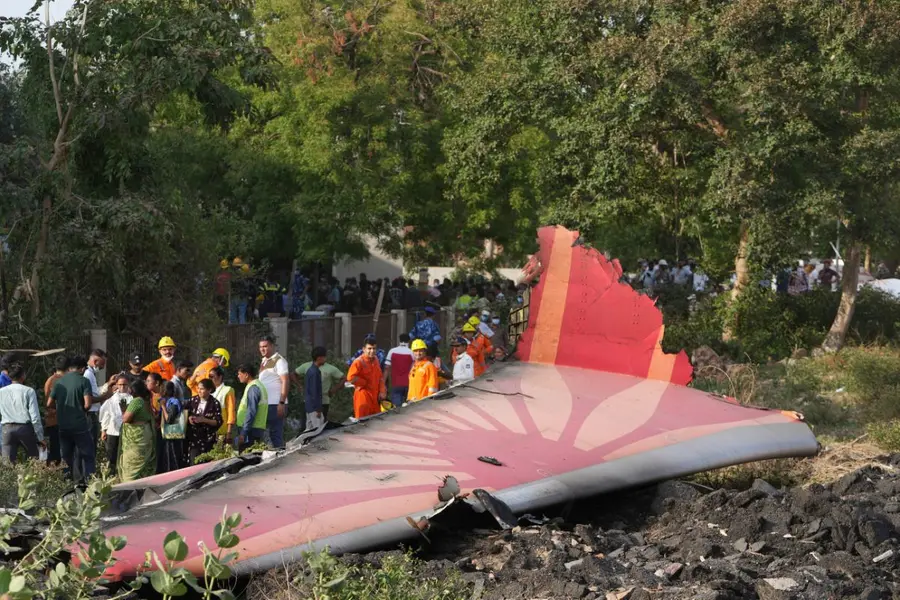
In the wake of the Air India Dreamliner crash in Ahmedabad last month, which claimed atleast 270 lives, speculation initially centred around potential sabotage. Concerns were raised over fuel system integrity, including sourcing, hydrant infrastructure and storage at the airport.
Allegations emerged that unauthorised access by ground staff or contractors might have compromised critical systems. The possibility of insider sabotage gained traction. A senior official involved in the probe said :“Dreamliners are sophisticated and require precise maintenance. Any deviation or intentional fault could be fatal.”
Further concerns extended to cyber-physical threats, particularly given the Boeing 787’s vulnerabilities to software interference. Investigators considered whether flight management systems, engine controls, or maintenance terminals had been tampered with or infected with malicious code.
Passenger and cargo manifests were also examined to identify any politically sensitive individuals, in case the crash was symbolic or retaliatory. Electronic interference, including GPS spoofing or manipulation of air traffic control (ATC), was not ruled out. Investigators reviewed CCTV footage, biometric access logs, and air traffic data from the airport.
Preliminary findings: No sabotage detected
Despite the theories, the Aircraft Accident Investigation Bureau (AAIB) has found no evidence of sabotage in its initial report. The 15-page preliminary report, released on Saturday, instead highlights a sudden and unexplained fuel cut-off. It notes a critical transition:
“The Engine 1 and Engine 2 fuel cutoff switches transitioned from RUN to CUTOFF position one after another with a time gap of 01 sec.”
Cockpit recordings captured one pilot saying:
“Why did he cutoff?”
to which the other replied,
“He did not do so.”
Although both switches were returned to the “RUN” position and the engines briefly regained power, it was too late. One pilot made a final call:
“MAYDAY MAYDAY MAYDAY.”
FAA warning ignored
Attention has turned to a 2018 advisory from the US Federal Aviation Administration (FAA), which warned about the potential failure of fuel switch locking mechanisms. While Air India confirmed awareness of the advisory, it admitted it was not implemented, calling it “non-mandatory”.
The AAIB report noted that Air India had complied with all mandatory bulletins and airworthiness directives. No technical issues were found in the Boeing 787-8 aircraft or its GE GEnx-1B engines.
Investigation continues
US and UK aviation authorities are assisting with the ongoing investigation. Boeing has expressed support, stating:
“Our thoughts remain with those affected by the disaster.”
Though sabotage has been ruled out for now, investigators remain focused on the unexplained engine fuel switch movement and any procedural missteps in the cockpit. The final cause, experts suggest, will become clearer over the coming months.
For now, unanswered questions remain over how and why the fuel was cut off — an action that turned a routine flight into one of India’s most devastating aviation tragedies.
Published: 12 Jul 2025, 09:22 am IST
Related Topics
Disclaimer: Kindly avoid objectionable, derogatory, unlawful and lewd comments, while responding to reports. Such comments are punishable under cyber laws. Please keep away from personal attacks. The opinions expressed here are the personal opinions of readers and not that of Mathrubhumi.
