
A simulator test reconstructing the Air India Flight 171 crash has shifted investigative focus toward a possible catastrophic systems failure
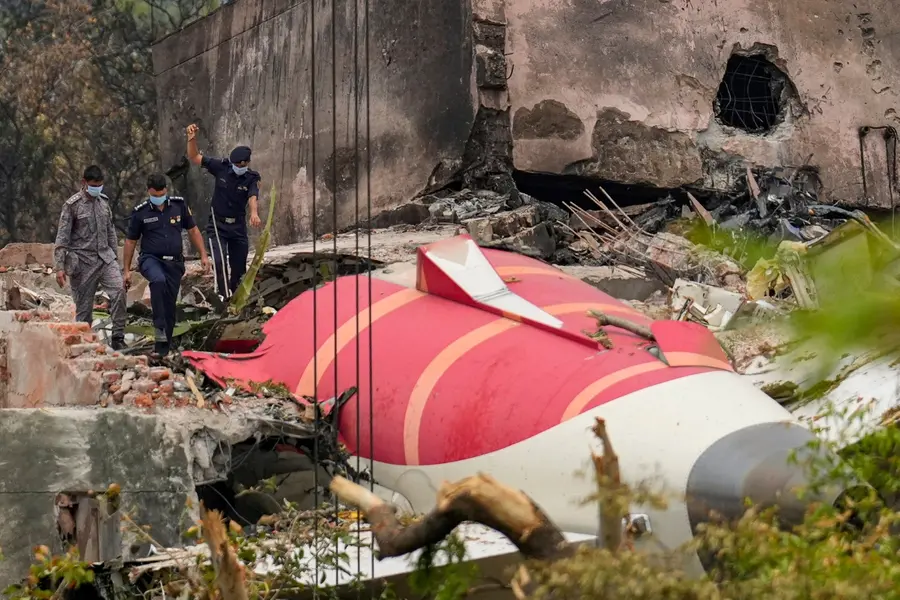
In an independent flight-simulator test, conducted by Air India pilots separate from the official AAIB (Aircraft Accident Investigation Bureau) probe, a reconstruction of Flight AI 171’s final moments yielded no accidental triggers.
The simulation replicated critical conditions: landing gear down, wing flaps retracted, but none of this alone caused the aircraft to lose control, according a Bloomberg report, which cited sources familiar with the investigation.
More weight is now being placed on a deeper technical failure. Investigators had previously noted the deployment of the ram‑air turbine (RAT) an emergency power turbine, econds before the crash, likely responding to a sudden loss of onboard engine- or hydraulic-driven electrical power.
Video footage from June 12 in Ahmedabad shows the Boeing 787, powered by two GE engines, struggling to climb and then plunging, with a massive explosion on impact, killing 241 of the 242 onboard. Pilots reviewing the footage reported that while the landing gear had begun retracting, the gear doors did not open, suggesting a loss of pressure or electrical power that could trace back to engine systems. They also confirmed that the flaps and slats were correctly extended during take-off, indicating proper configuration at lift-off.
The simultaneous failure of both engines remains an open question. Black‑box data, now being analysed will help determine if engine shutdown or system-wide malfunction triggered the cascade.
According to sources, pilots issued a Mayday and only had a 15-second window between that call and the crash, underscoring how rapidly the situation deteriorated.
This marks the first fatal crash of a Boeing 787 Dreamliner and the worst aviation accident in India in decades. Boeing and the US NTSB are both assisting India’s AAIB in the ongoing investigation.
The findings shift attention from pilot error to Boeing’s engine or electrical systems especially GE’s Full Authority Digital Engine Control (FADEC), putting international aviation safety procedures under scrutiny. Apart from this, the RAT deployment and simulator findings highlight possible cascading faults in the 787’s emergency systems.
With just 15 seconds from distress call to crash, the data underscores the urgency and severity of the failure.
Published: 02 Jul 2025, 03:34 pm IST
Disclaimer: Kindly avoid objectionable, derogatory, unlawful and lewd comments, while responding to reports. Such comments are punishable under cyber laws. Please keep away from personal attacks. The opinions expressed here are the personal opinions of readers and not that of Mathrubhumi.
