
The Ahmedabad crash is now being referred to as the world’s worst aviation accident in over a decade.
In the wake of India’s deadliest aviation disaster in a decade, a parliamentary panel will convene on July 9 to conduct a high-level review of passenger safety in the civil aviation sector. The session, led by members of the Upper House of Parliament, will bring together top officials from Air India, IndiGo, the Directorate General of Civil Aviation (DGCA), airport operators, and air traffic control authorities, according to an internal memo reviewed by Reuters.
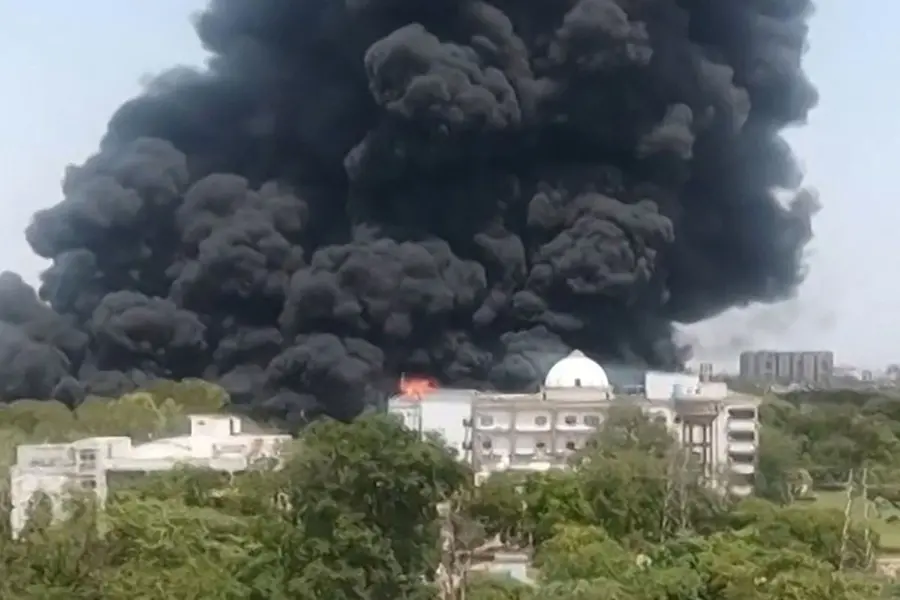
The meeting gains critical relevance following the June 12 crash of Air India Flight AI171, a Boeing 787-8 Dreamliner that plunged within a minute of take-off from Ahmedabad, killing all 260 people on board, including 241 passengers. The crash, now being referred to as the world’s worst aviation accident in over a decade, has raised urgent questions about aircraft safety oversight, pilot fatigue management, and fleet maintenance standards.
While the official parliamentary agenda does not explicitly mention the crash, lawmakers confirmed that the incident will feature prominently in internal deliberations and open discussions.
“If we will not raise questions on it, they will not become vigilant about these issues,”
said R.K. Chaudhary, a member of the panel, in a statement to Reuters.
Growing scrutiny over airline safety
The Indian civil aviation sector often hailed as one of the fastest-growing in the world is now under intense public and regulatory scrutiny. The DGCA has issued multiple warning notices to Air India in recent weeks, citing a pattern of compliance failures and operational lapses.
Among the most serious concerns:
• "Repeated and serious violations" of pilot flight duty time limitations (FDTL), which directly impact crew fatigue and safety.
• Instances where three Airbus aircraft flew despite being overdue for mandatory checks on emergency escape slides, a critical safety mechanism in evacuations.
These violations come at a time when India’s aviation industry is grappling with fleet expansion, pilot shortages, and pressure to maintain schedules amid rising demand, raising concerns about whether safety margins are being compromised.
The Aircraft Accident Investigation Bureau (AAIB) of India is leading the investigation into the AI171 crash, with support from the US National Transportation Safety Board (NTSB). According to government sources, data from the cockpit voice recorder and flight data recorder has been successfully retrieved and is now under detailed analysis. Initial findings point toward possible system or operational failures, but no conclusive cause has yet been determined.
What to expect?
The upcoming parliamentary session is expected to:
• Examine the overall safety preparedness of airlines and airports.
• Review existing regulatory frameworks and enforcement mechanisms.
• Call on airlines to submit detailed responses about recent incidents, including maintenance backlogs, SOP compliance, and internal audits.
• Discuss whether existing safety protocols need urgent reforms in light of global best practices.
Lawmakers are also likely to question the DGCA’s enforcement capacity and whether its current inspection systems are adequate for supervising India’s rapidly expanding aviation network.
The July 9 hearing could mark a pivotal moment in India’s civil aviation history, a turning point where policymakers, regulators, and industry leaders are pushed to confront uncomfortable truths about airline accountability, regulatory capacity, and public trust in air safety.
As India sets its sights on becoming a global aviation hub, systemic reforms not just damage control may be the only way forward.
Published: 01 Jul 2025, 08:44 pm IST
Disclaimer: Kindly avoid objectionable, derogatory, unlawful and lewd comments, while responding to reports. Such comments are punishable under cyber laws. Please keep away from personal attacks. The opinions expressed here are the personal opinions of readers and not that of Mathrubhumi.
