
Content creator Orry defended actor Janhvi Kapoor after YouTuber Dhruv Rathee’s viral video on cosmetic procedures in Bollywood sparked widespread debate
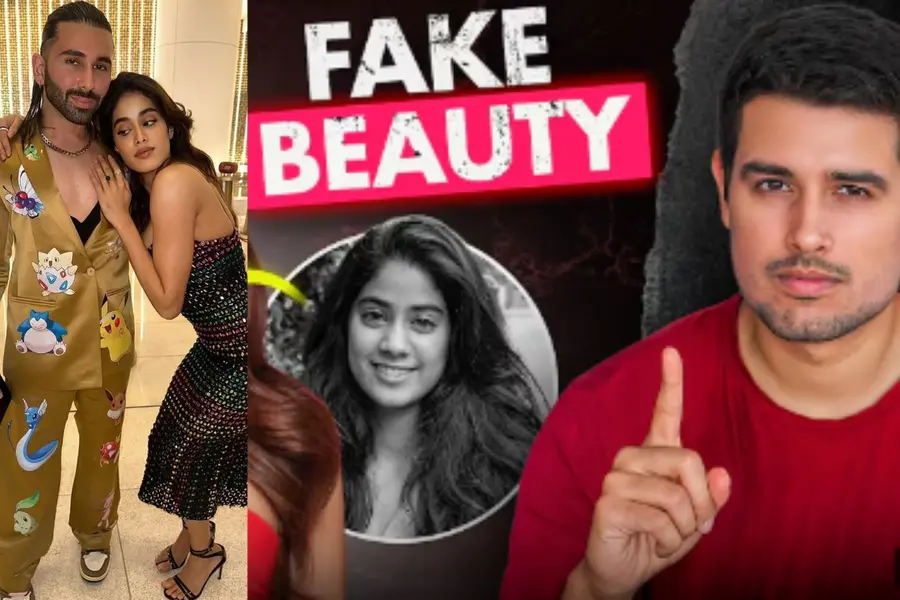
A viral YouTube video examining cosmetic procedures in Bollywood has triggered a wider online debate involving actor Janhvi Kapoor, content creator Orry, and YouTuber Dhruv Rathee, bringing renewed attention to questions around celebrity image, beauty standards and digital scrutiny.
Social media personality Orhan Awatramani, popularly known as Orry, came into focus after defending actor Janhvi Kapoor in response to a viral YouTube video by Dhruv Rathee that examined cosmetic procedures in Bollywood. The exchange highlighted ongoing tensions between celebrity image scrutiny and online commentary in India’s digital space.
Also Read

What was Dhruv Rathee’s video about?
On December 25, YouTuber Dhruv Rathee uploaded a video titled The FAKE Beauty of Bollywood Celebrities. In the video, he discussed the prevalence of cosmetic procedures such as fillers, botox and skin-lightening treatments in the film industry. Rathee cited allegadly examples of several well-known actors, including Janhvi Kapoor, Tiger Shroff, Deepika Padukone, Bipasha Basu, Shruti Haasan, Shilpa Shetty, Rajkumar Rao, Kajol and more.
Beyond naming celebrities, the video also outlined the medical origins of cosmetic procedures, explaining how techniques initially developed for reconstructive and therapeutic purposes gradually became associated with aesthetic enhancement and, over time, commercial beauty expectations.
Why did the video spark widespread reactions online?
The video featured Janhvi Kapoor in its thumbnail with ‘before-and-after’ visuals, which intensified public attention. Social media users debated whether such visual comparisons help raise awareness about unrealistic beauty standards or risk reducing actors to their physical appearance rather than their professional work.
The discussion quickly extended beyond individual celebrities to broader questions about consent, representation, and the ethics of public commentary on appearance.
How did Orry respond to the video?
Orry responded to posts discussing Rathee’s video on Instagram, defending Janhvi Kapoor and referencing her recent public condemnation of the lynching of Dipu Chandra Das in Bangladesh. His comments included describing Rathee as an “anti-nationalist” influencer, remarks that quickly gained traction and were widely shared across platforms.
While Orry’s response drew significant attention, it also became part of the larger conversation about how public figures respond to criticism in highly visible online spaces.
What is the broader context around cosmetic procedures in entertainment?
Cosmetic procedures are common across global entertainment industries and are often influenced by evolving audience expectations, technological advancements and media portrayal of beauty. Medical experts note that while such procedures are personal choices, their visibility among public figures can influence broader societal perceptions of attractiveness and normalise certain aesthetic ideals.
Rathee’s video contextualised cosmetic surgery historically, explaining how its transition from medical necessity to aesthetic enhancement has intersected with increasingly narrow beauty standards, particularly for women in public-facing professions.
How are audiences divided on the issue?
Public reaction to the controversy has been mixed. Some viewers supported Orry’s defence of Janhvi Kapoor, arguing that celebrities are frequently subjected to invasive scrutiny. Others stated that Rathee’s content contributes to an important discussion on transparency, media literacy and the pressures created by idealised beauty norms.
The debate reflects a wider divide on whether such conversations challenge or reinforce the very standards they seek to critique.
The episode underscores how discussions around celebrity appearance, cosmetic procedures and influence are amplified by digital platforms. It also highlights the difficulty of separating individual choices from broader cultural impact, particularly in an era where public figures, influencers and commentators operate within the same highly reactive online ecosystem.
As conversations around beauty standards continue, the focus remains on balancing awareness, accountability and respect in public discourse surrounding India’s entertainment industry.
Published: 27 Dec 2025, 05:20 pm IST
Disclaimer: Kindly avoid objectionable, derogatory, unlawful and lewd comments, while responding to reports. Such comments are punishable under cyber laws. Please keep away from personal attacks. The opinions expressed here are the personal opinions of readers and not that of Mathrubhumi.