
Kangana Ranaut says nurses’ uniforms still carry a British influence and could be Indianised based on nurses’ preferences
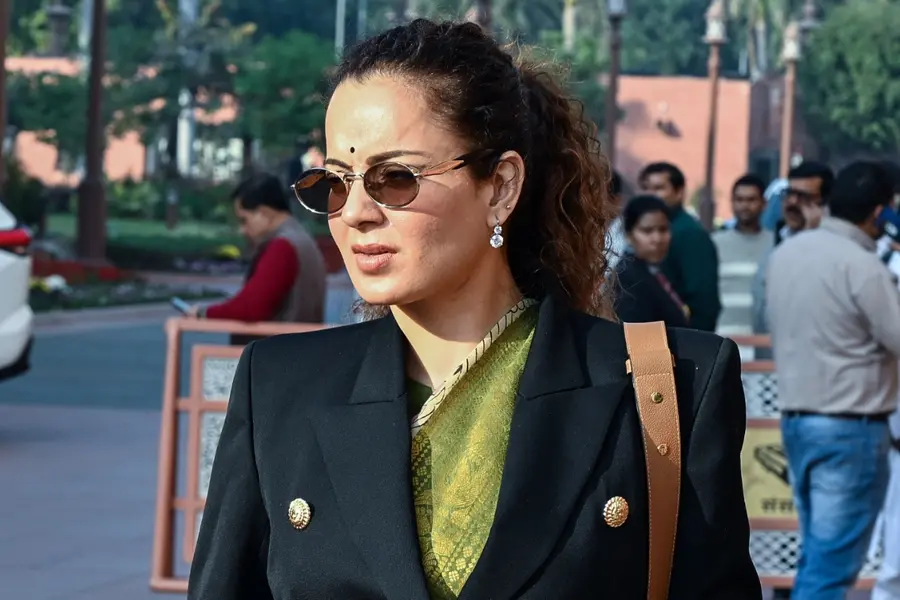
Ahead of the release of Bharat Bhhagya Viddhaata, Kangana Ranaut shared her personal views on the dress code followed by nurses in India, arguing that the current uniform still resembles designs inherited from the British era.
According to the actor, while doctors often have greater flexibility within professional guidelines, nursing uniforms continue to retain elements that create what she described as a distinctly foreign appearance.
Also Read

Kangana clarified that her comments reflected a personal opinion rather than a criticism of the profession itself. She emphasised that the value of a nurse lies not in the design of the uniform but in the service and responsibility associated with it.
Why Kangana believes change may be needed
Expanding on her observations, Kangana referred to features such as caps, pins and belts that are traditionally associated with nursing attire. She suggested that many of these design elements originated from Western military and healthcare traditions and have remained largely unchanged over time.
She argued that if nurses themselves believe reforms are necessary, future uniforms could evolve to better suit Indian conditions, preferences and workplace requirements.
At the same time, Kangana stressed that any discussion about uniforms should prioritise functionality, comfort and the views of nursing professionals rather than symbolic changes alone.
A larger conversation about identity and practicality
Kangana's remarks touch upon a broader debate that occasionally emerges in India regarding colonial-era institutions, symbols and professional traditions.
Many professions in India, including law, medicine, education and public administration, continue to follow systems and conventions inherited from the British period. Supporters of reform often argue that these practices should evolve to reflect contemporary Indian realities, while others contend that professional standards should be guided primarily by practicality and global best practices.
In healthcare settings, uniform design is typically influenced by considerations such as hygiene, identification, comfort, mobility and workplace safety.
Film shines spotlight on overlooked healthcare heroes
Kangana's comments come as she promotes Bharat Bhhagya Viddhaata, a film inspired by real-life events that highlights the role of nurses, ward staff and other healthcare workers during a major crisis.
The film focuses on ordinary individuals who performed extraordinary acts of courage during a terrorist attack, helping save hundreds of lives despite operating far from the public spotlight.
Unlike many disaster dramas that focus on security forces or political leaders, the film places healthcare workers and support staff at the centre of the narrative, highlighting their contribution during emergencies.
In the film, Kangana plays a staff nurse whose dedication and service form a key part of the story.
Why the remarks may spark discussion
While Kangana's observations were made in the context of her film role, they are likely to generate discussion about whether professional uniforms should evolve alongside changing workplace realities.
The question is not simply about appearance but also about who gets to shape workplace standards. Kangana suggested that any future changes should emerge from nurses themselves and be based on what they consider practical and beneficial.
As conversations around workplace comfort, representation and professional identity continue to evolve, her comments may reignite debate over how much of India's institutional culture still reflects its colonial past.
By questioning whether nurses’ uniforms should continue to follow designs rooted in colonial traditions, Kangana Ranaut has opened a discussion that extends beyond fashion and into questions of professional identity, workplace practicality and institutional reform. Whether or not such changes are pursued, the debate highlights the continuing conversation about how modern India balances inherited traditions with contemporary needs.
Published: 07 Jun 2026, 06:04 pm IST
Related Topics
Disclaimer: Kindly avoid objectionable, derogatory, unlawful and lewd comments, while responding to reports. Such comments are punishable under cyber laws. Please keep away from personal attacks. The opinions expressed here are the personal opinions of readers and not that of Mathrubhumi.