
Rainy days and contact lenses aren't always the perfect match. Before you head out this monsoon, here's what eye specialists want you to keep in mind.
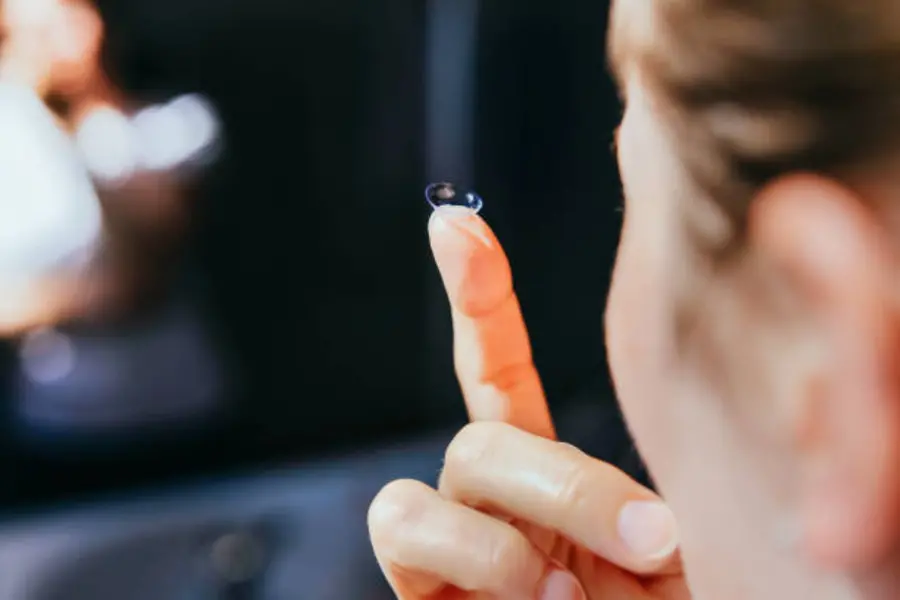
"It's just rain," you tell yourself as you wipe your face after a sudden downpour and continue wearing your contact lenses. By evening, your eyes feel irritated, watery, and slightly red. Sound familiar?
For many contact lens users, the monsoon brings cooler weather, it increases the risk of eye infections. While most people blame rainwater alone, eye specialists say the real culprit is often the contact lens itself, which can trap harmful microbes against the eye.
Dr. Sripriya P, Consultant Ophthalmologist at Dr Agarwals Eye Hospital, Kanakapura, told News18 that contact lenses can be worn safely during the monsoon as long as users maintain good hygiene and take the necessary precautions.
Why are contact lenses riskier during the monsoon?
Unlike spectacles, which create a protective barrier, contact lenses sit directly on the eye, held in place by a thin layer of tears.
If rainwater, tap water, or contaminated moisture gets trapped beneath the lens, it stays in contact with the cornea for hours instead of being washed away naturally.
Normally, blinking and tears help remove dirt and germs from the eye. A contact lens disrupts this natural cleaning process, creating a warm, moist environment where bacteria, fungi, and other harmful organisms can thrive.
During the monsoon, this risk increases because of:
- Higher humidity that encourages bacterial and fungal growth.
- Rainwater splashing into the eyes during daily commutes.
- Poorly cleaned or contaminated lens cases.
- Wearing lenses longer than recommended because glasses tend to fog up.
These factors can lead to microbial keratitis, a serious corneal infection that can damage vision if not treated promptly.
5 Monsoon contact lens tips you should never ignore
1. Wash and dry your hands first
Always wash your hands thoroughly and dry them completely before touching your contact lenses. This becomes even more important after coming in from the rain.
2. Never use tap water
Never rinse your lenses or lens case with tap water. Always use fresh contact lens solution, and don't top up old solution left in the case.
3. Keep lenses away from water
Avoid wearing contact lenses while swimming, showering, or sleeping even if it's just a quick nap. Water can introduce harmful microorganisms that may get trapped under the lens.
4. Replace lenses and lens cases on time
Whether they're daily, monthly, or yearly replacements, stick to the schedule recommended by your eye doctor. Using lenses or cases beyond their lifespan increases the risk of infection.
5. Don't ignore warning signs
If your eyes become red, painful, watery, sensitive to light, or your vision starts to blur, remove your contact lenses immediately. Don't try self-medicating with over-the-counter eye drops. Visit an ophthalmologist the same day.
Contact lenses don't become unsafe during the monsoon but they do demand extra care. A little attention to hygiene and timely lens replacement can prevent infections that may threaten your eyesight.
If something feels wrong, don't wait. Taking your lenses out and getting your eyes checked early could make all the difference.
Published: 01 Aug 2026, 06:14 pm IST
ABOUT THE AUTHOR

Related Topics
Disclaimer: Kindly avoid objectionable, derogatory, unlawful and lewd comments, while responding to reports. Such comments are punishable under cyber laws. Please keep away from personal attacks. The opinions expressed here are the personal opinions of readers and not that of Mathrubhumi.