
World Soil Day serves as a reminder that the health of the soil beneath our feet directly shapes the future of global food systems, human health, and environmental stability.
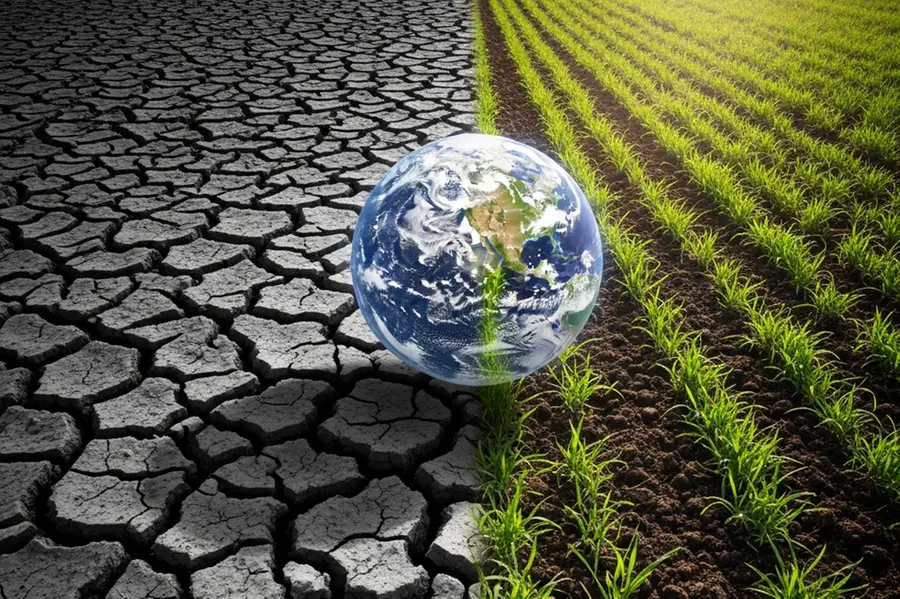
World Soil Day, observed annually on 5 December, highlights the fundamental role soil plays in supporting life on Earth.
Often overlooked in daily discussions on sustainability, soil remains the essential foundation for food production, forests, biodiversity, and ecological balance. Without healthy and fertile soil, humanity’s food supply and natural ecosystems cannot survive.
Also Read

Why World Soil Day Matters More Than Ever
World Soil Day, observed every year on 5 December, serves as a global reminder that soil is not just dirt beneath our feet—it is a living, breathing ecosystem that sustains all life. Yet, this vital resource is degrading faster than it can regenerate, putting global food security, biodiversity, and human health at risk.
Soil: The Foundation of Life
Soil takes thousands of years to form, shaped by natural forces such as weather, rock erosion, microbes and plant activity. Despite this slow creation, the world relies on its thin top layer for nearly 95% of global food production.
From grains to vegetables, fruits to fibres, everything begins in the soil. But rapid urbanisation, deforestation, and unsustainable farming have pushed the world toward a soil crisis.
The Global Soil Crisis: A Warning We Cannot Ignore
40% of Earth’s Soil Already Degraded
According to international environmental assessments, nearly 40% of the world’s fertile soil is now degraded. This includes:
-
Loss of nutrients
-
Soil contamination
-
Erosion caused by water and wind
-
Compaction from machinery
-
Declining organic matter
The consequences are alarming: degraded soil produces low-nutrition food, stores less carbon, increases flood risks, and accelerates climate change impacts.
How Chemical Agriculture Accelerated the Damage
The Green Revolution ensured food availability but created long-term problems:
-
Heavy use of chemical fertilisers damaged soil biodiversity.
-
Pesticides contaminated groundwater and rivers.
-
Monoculture farming reduced soil resilience.
-
Farmers became dependent on chemical inputs to maintain yields.
While yields initially grew, long-term fertility declined—making soil weaker, food poorer in nutrients, and farming more expensive.
Soil Health Is Human Health
The nutritional value of food is directly tied to the soil it grows in. When soil is depleted of minerals, food contains fewer vitamins and lower micronutrient density. Scientists increasingly link rising lifestyle diseases, weakened immunity, and food allergies to nutrient-poor soils and chemical residues in crops.
Simply put: healthy soil equals healthy people.
Soil Degradation Threatens Food Security
The UN has repeatedly warned that continued soil degradation could lead to:
-
Declining food production
-
Increased hunger
-
Higher food prices
-
Greater dependence on imports
-
Severe pressure on rural livelihoods
Technology may innovate—but it cannot replace fertile soil.
Why Indians Must Pay Attention
India faces its own soil challenges:
-
Declining soil organic carbon
-
Overuse of urea and chemical fertilisers
-
Shrinking farmlands due to urban expansion
-
Water scarcity affecting soil moisture
-
Loss of traditional farming systems
Government initiatives encouraging organic and natural farming models are expanding, but experts say mass behavioural change is needed to restore soil health.
Sustainable Farming: The Way Forward
Experts highlight several proven solutions:
-
Organic farming to restore soil biodiversity
-
Agroecology and multi-cropping
-
Reduced tillage to preserve topsoil
-
Composting and natural fertilisers
-
Tree planting and agroforestry
-
Water conservation practices
These methods rebuild soil structure, increase productivity, and reduce chemical dependence.
Individuals Also Play a Role
Soil conservation is not just a government or farmer responsibility. Every citizen can contribute through:
-
Reducing food waste
-
Supporting organic produce
-
Composting kitchen waste
-
Avoiding single-use plastics
-
Planting native trees
-
Participating in community environmental drives
Small actions, multiplied by millions, create nationwide impact.
Protecting Soil for Future Generations
We often talk about leaving wealth for our children, but the greatest inheritance is fertile soil. Without it, no civilisation can survive.
World Soil Day is more than an environmental campaign—it is a call to safeguard food, health, and life itself. Respecting, restoring, and protecting soil is crucial if humanity hopes to shift from survival mode to sustainable living.
Published: 05 Dec 2025, 02:29 pm IST
Related Topics
Disclaimer: Kindly avoid objectionable, derogatory, unlawful and lewd comments, while responding to reports. Such comments are punishable under cyber laws. Please keep away from personal attacks. The opinions expressed here are the personal opinions of readers and not that of Mathrubhumi.