

From gender-neutral fits to reimagined sarees and androgynous styling, queer fashion continues to influence mainstream Indian style year-round
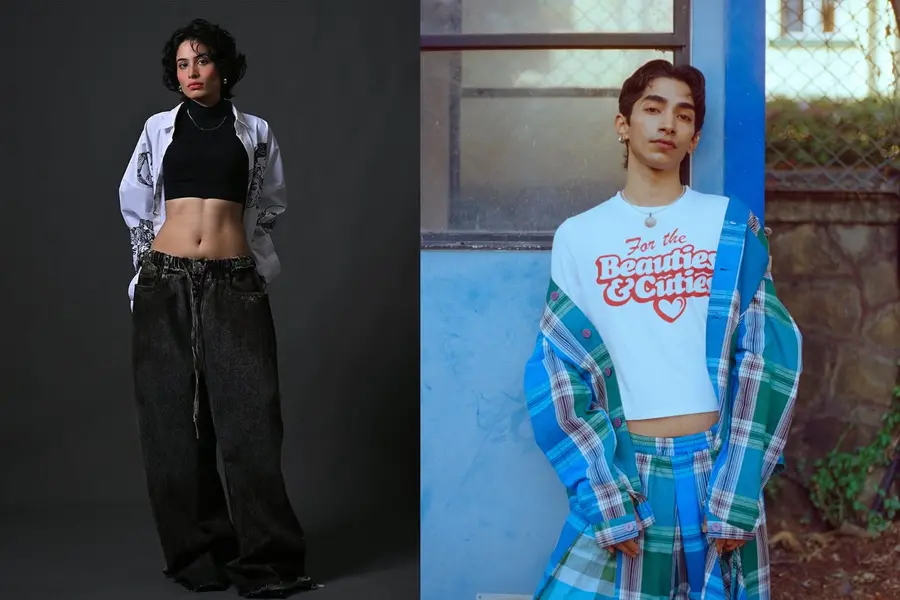
Every June, social media feeds explode with rainbow colours. Brands launch Pride collections, influencers post colourful outfits, and people proudly wear their identity on their sleeves (sometimes quite literally).
Then July arrives, and it's almost as if someone flipped a switch. The funny thing is, queer people don't stop being queer when the calendar flips to July.
The rainbow T-shirts might get pushed to the back of the wardrobe, Pride displays may disappear from shop windows and social media moves on to the next trend, but fashion continues to be a powerful form of self-expression.
In fact, some of the biggest fashion trends today are rooted in ideas that queer communities have embraced for years: dressing beyond gender rules, mixing aesthetics, experimenting with identity and prioritising self-expression over expectations.
So what does Pride fashion look like when it's not Pride Month?
The biggest misconception about Pride fashion is that it's about rainbow colours. Ask someone what Pride fashion looks like and chances are they'll mention rainbow colours.
For some people, it is. And that's perfectly fine.
But for many others, Pride fashion is simply the freedom to get dressed without worrying whether an outfit is "meant" for someone like them.
While there's nothing wrong with a rainbow moment, many queer people don't feel the need to wear overt symbols every day. Instead, fashion becomes a quieter expression of identity.
Read more: From 'clock that' to 'it's giving': The queer Internet slang you use every day without realising it
A pair of chunky boots. An oversized shirt. A well-tailored suit worn with jewellery. A saree styled in an unconventional way.
The goal isn't necessarily to announce one's identity to the world. It's simply to dress in a way that feels true to oneself.
Gender-neutral fashion is becoming mainstream
Walk into any Zara, H&M or even a local boutique today and you'll notice something interesting. The clothes are starting to look less divided. Oversized shirts hang next to relaxed trousers. Co-ord sets are marketed to everyone.
Unisex jewellery have become increasingly popular, especially among younger consumers.
In India, brands are slowly expanding beyond rigid "menswear" and "womenswear" categories. Many shoppers are now more interested in comfort, fit and personal style than whether a garment was designed for a specific gender.
For queer people, this isn't exactly a new trend. Many have been experimenting with fashion beyond traditional gender expectations for years.
The difference is that the rest of the fashion world is finally catching up.
Some fashion labels have actively helped push this shift. Indian brands like NorBlack NorWhite and HUEMN have long challenged conventional ideas of who can wear what, while global luxury houses such as Gucci and Harris Reed have embraced fluid silhouettes that blur traditional gender boundaries.
The rise of androgynous style
From Bollywood red carpets to Instagram fashion influencers, androgynous dressing is everywhere.
Think blazers paired with crop tops. Sarees styled with jackets. Pearl necklaces worn with formal menswear. Tailored trousers paired with traditionally feminine accessories.
Designers have been encouraging this experimentation too. Harris Reed's dramatic gender-fluid creations have become red-carpet favourites, while Indian label HUEMN regularly showcases collections that move beyond traditional menswear and womenswear categories
Celebrities have played a major role in popularising these looks, but everyday people are embracing them too.
You only need to spend a few minutes scrolling through Instagram to see how many young Indians are mixing traditionally masculine and feminine elements to create something uniquely their own.
Queer fashion is influencing street style
Many trends that feel mainstream today were once considered unconventional.
Read more: Not dating, not just friends: What is Queerplatonic Love, a new Relationship trend gaining attention
Oversized silhouettes. Nail polish on men. Statement jewellery. Gender-fluid styling. Experimental makeup.
These styles often gained visibility through queer creators, artists and fashion communities long before they appeared in major advertising campaigns.
That's also reflected in the brands people gravitate towards today. Labels such as Converse, Levi's and Vans have built loyal queer followings not just through Pride collections, but by embracing individuality and self-expression as part of their broader brand identity.
Today, it's common to see college students, content creators and even corporate professionals adopting looks that would have been considered unconventional just a decade ago.
The return of DIY expression
Fashion has always been about more than buying clothes.
Many queer communities have a long history of customising, altering and reinventing garments to better reflect personal identity.
That spirit is increasingly visible today.
Hand-painted jackets, customised denim, embroidered tote bags, handmade accessories and thrifted fashion have become popular ways for people to express themselves without relying on mass-produced trends.
Read more: Are Instagram thrift stores the new shopping malls?
For many young Indians facing rising living costs, personal style is becoming less about expensive labels and more about creativity.
Traditional wear, reimagined
One of the most exciting developments in Indian fashion is how younger generations are reinterpreting traditional clothing.
Men wearing earrings with kurtas.
Women pairing sarees with boots.
People of all genders experimenting with drapes, silhouettes and accessories.
Fashion rules that once felt fixed are becoming more flexible. Indian designers are increasingly responding to that change.
For queer Indians, traditional clothing doesn't have to mean conforming to expectations. Increasingly, it is becoming another canvas for self-expression.
Why visibility doesn't always mean rainbows
There is a common assumption that Pride fashion must be loud, colourful and instantly recognisable.
But visibility looks different for everyone. Their choices may seem small, but they can carry significant personal meaning.
Fashion as freedom
At its core, Pride fashion has never really been about rainbow merchandise.
At its core, Pride fashion has never really been about rainbow merchandise.
It's about freedom.
Read more: From ‘Made in Heaven’ to ‘Heartstopper’: The best LGBTQ+ shows that deserve a spot on your watchlist
The freedom to wear what feels right. The freedom to experiment. The freedom to reject outdated rules about how men and women are supposed to dress.
The colours may fade from store displays, but the ideas remain.
-Compiled by Salma
Published: 20 Jun 2026, 03:07 pm IST
ABOUT THE AUTHOR
Disclaimer: Kindly avoid objectionable, derogatory, unlawful and lewd comments, while responding to reports. Such comments are punishable under cyber laws. Please keep away from personal attacks. The opinions expressed here are the personal opinions of readers and not that of Mathrubhumi.