

Insta-thrifting has transformed second-hand shopping into a social media-driven fashion movement, with young shoppers turning to Instagram and resale platforms for unique, affordable and pre-loved clothing
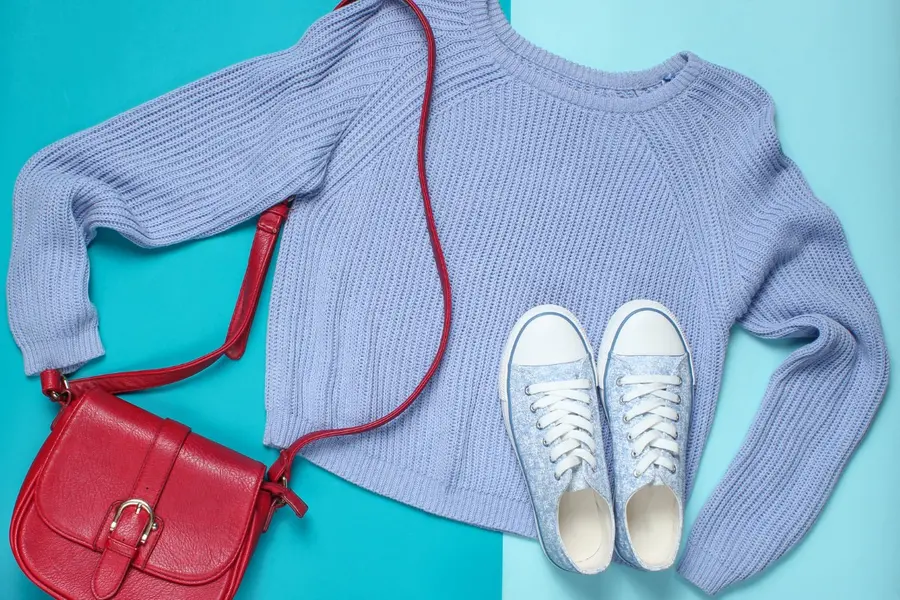
Why buy the same outfit everyone else is wearing when you can find something nobody else owns? That question lies at the heart of the thrift boom sweeping social media.
A generation that once spent weekends browsing shopping malls is increasingly spending its time scrolling through Instagram thrift pages instead.
From branded dresses and oversized shirts to designer handbags and vintage jackets, second-hand fashion has become one of the most exciting corners of the internet.
What exactly is insta-thrifting?
Insta-thrifting refers to the growing trend of buying and selling second-hand clothing through social media platforms, particularly Instagram. Unlike traditional thrift shopping, where people browse physical stores or flea markets, Insta-thrifting happens entirely online.
Also Read: Everyone's talking about skin cycling, but does it actually work?
Sellers curate collections, photograph items aesthetically and market them through posts, reels and stories. Buyers can browse from their phones and often compete to grab one-of-a-kind pieces before they sell out.
The shopping experience feels more personal and interactive than conventional online retail. Every item comes with a story, and every purchase feels like a discovery rather than a routine transaction.
Why vintage fashion is suddenly everywhere
One of the biggest reasons behind the thrift boom is the growing popularity of vintage fashion.
Styles from the 1990s and early 2000s have returned in a major way. Oversized denim jackets, graphic tees, cargo trousers, retro handbags and old-school sportswear have all found new audiences among younger shoppers.
Part of the appeal lies in nostalgia. Even people who never lived through those fashion eras often find themselves drawn to the unique cuts, colours and silhouettes that feel different from today's mass-produced trends.
Also Read: Not dating, not just friends: What is Queerplatonic Love, a new Relationship trend gaining attention
Vintage clothing also offers something many shoppers crave: individuality. In a world where everyone can buy the same outfit online with a few clicks, owning a unique piece feels special.
But thrifting is not just about vintage anymore
The idea that thrifting is only about vintage fashion is becoming increasingly outdated.
Many shoppers today are not specifically looking for retro or archival pieces. Instead, they are hunting for affordable branded clothing, occasion wear, streetwear, ethnic outfits and even luxury labels at a fraction of their original price.
On Instagram thrift pages, it is common to find everything from Zara dresses and H&M basics to designer handbags and pre-loved festive wear. The excitement is often less about owning something old and more about finding something unique, budget-friendly and difficult to spot on everyone else.
This broader appeal is helping thrift culture move beyond niche fashion communities and into the mainstream. For many people, thrifting has become a smarter way to shop rather than simply a way to dress vintage.
Social media changed everything
While second-hand shopping has existed for decades, social media helped turn it into a cultural movement.
Also Read: Why everyone is suddenly dressing like anime characters in real life
Platforms such as Instagram, Pinterest and short-form video apps transformed thrift shopping into highly shareable content. Outfit transformations, thrift-with-me videos, styling reels and haul posts now attract millions of views.
Fashion enthusiasts are no longer simply buying clothes. They are documenting the experience, sharing styling tips and building communities around their discoveries.
This visibility has made thrifting feel aspirational rather than purely practical.
The sustainability factor
Another reason many people are embracing thrift culture is growing awareness about fashion waste.
Consumers are increasingly learning about the environmental impact of producing new clothing. As a result, extending the life of existing garments feels like a more conscious choice.
By purchasing pre-loved clothing, shoppers help reduce demand for new production while giving garments a second life.
Also Read: What is puffer-fishing? The viral dating trend raising red flags online
Of course, sustainability is only one part of the story. Most thrift shoppers are motivated by a mix of factors that include affordability, style and uniqueness. Nevertheless, environmental awareness has certainly contributed to the movement's growth.
Unlike traditional shopping, where hundreds of identical items are available in multiple sizes, thrift shopping comes with an element of unpredictability.
You never know what you might find.
That uncertainty creates excitement. Finding a branded jacket at a bargain price or discovering a rare piece that perfectly fits your style feels rewarding in a way that ordinary shopping often does not.
Many thrift enthusiasts compare it to treasure hunting. The process itself becomes part of the appeal.
From flea markets to digital storefronts
Traditional thrift shopping often involved spending hours digging through crowded racks in flea markets and second-hand stores.
Today's shoppers can browse hundreds of thrifted items without leaving home.
Instagram stores now function like mini boutiques, complete with curated collections, professional photography and dedicated customer communities. This shift has made thrift fashion more accessible to people who may not have local thrift markets nearby.
Also Read: THIS new Gemini AI prompt turns your photos into adorable crayon drawings; here's how
The convenience of online shopping has significantly expanded the reach of thrift culture.
Has thrifting become too trendy?
As thrift fashion has gained popularity, some challenges have emerged.
Demand for carefully curated second-hand pieces has increased prices in certain segments of the market. Some shoppers argue that items once valued primarily for affordability are now being sold at premium rates because of their aesthetic appeal.
There are also debates about whether social media has commercialised a culture that originally centred on accessibility and reuse.
Still, the growing interest suggests that second-hand fashion is no longer a passing trend.
What makes Insta-thrifting particularly interesting is that it reflects broader changes in how people think about fashion.
-Compiled by Salma
Published: 15 Jun 2026, 12:55 pm IST
ABOUT THE AUTHOR
Related Topics
Disclaimer: Kindly avoid objectionable, derogatory, unlawful and lewd comments, while responding to reports. Such comments are punishable under cyber laws. Please keep away from personal attacks. The opinions expressed here are the personal opinions of readers and not that of Mathrubhumi.