
Smoking remains the biggest risk factor for lung cancer, but it isn't the only one
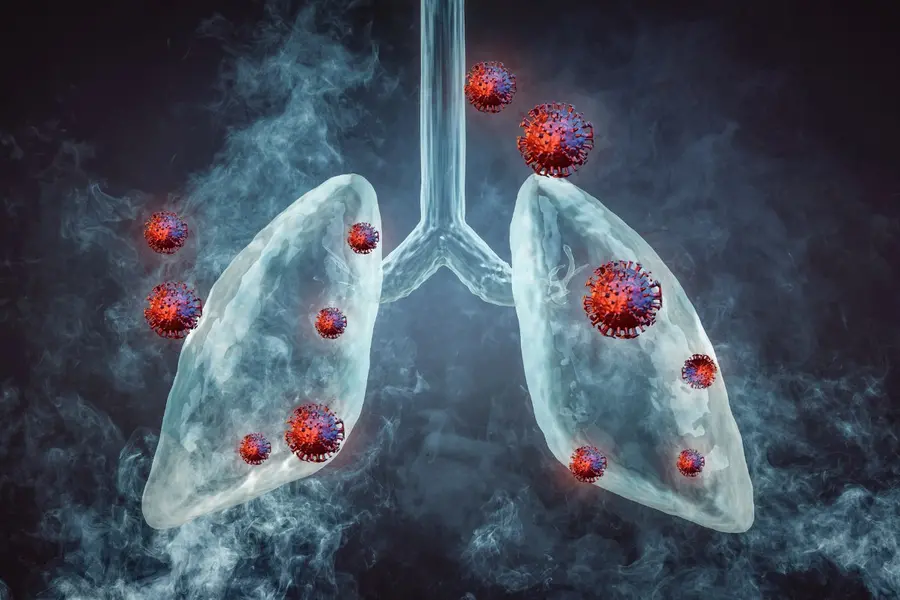
For decades, lung cancer has been closely associated with cigarette smoking. While tobacco continues to remain the single biggest risk factor, that long-held perception is becoming increasingly incomplete.
A growing number of patients diagnosed with lung cancer today have either never smoked or quit smoking many years earlier. This changing pattern calls for a broader public conversation about who is at risk and why.
Also Read: Walking slowly could be good for you: What is Tai Chi walking?
Globally, lung cancer among never-smokers is now recognised as a distinct disease entity with its own biological characteristics. If considered separately, it would rank among the leading causes of cancer-related deaths worldwide.
Research is still uncovering why more non-smokers are developing lung cancer. However, the misconception that only smokers are at risk often means that both patients and doctors may not immediately suspect the disease when symptoms first appear.
There is no single explanation for why lung cancer develops in people who have never smoked. In many cases, it is likely the result of multiple factors acting over time. Regular exposure to second-hand smoke remains a recognised risk, while worsening air quality and prolonged exposure to fine particulate pollutants are increasingly being linked to lung disease and cancer. These risks often build silently over many years, without causing any obvious symptoms.
In many parts of India, indoor pollution from biomass fuels used for cooking continues to expose women to harmful smoke over several years.
Also Read: Can smoking help microplastics reach your heart? A new study says it might
Occupational exposure to substances such as asbestos, silica, diesel exhaust and radon gas can further increase the risk in certain individuals.
In addition, inherited genetic changes and acquired molecular mutations have an important role, particularly among younger patients and women who have never smoked. Many of these tumours harbour targetable genetic alterations, making molecular testing an essential part of treatment planning.
Unfortunately, lung cancer often produces vague symptoms in its early stages. A persistent cough, chest pain, unexplained breathlessness, coughing up blood, recurrent chest infections or unintentional weight loss should not be dismissed simply because an individual has never smoked. These symptoms warrant timely medical evaluation, especially when they persist beyond a few weeks or fail to respond to routine treatment.
Advances in diagnosis and treatment have significantly changed the outlook for many patients. High-quality imaging, minimally invasive biopsy techniques, comprehensive molecular profiling and precision therapies have helped improve outcomes in selected groups. Immunotherapy has also transformed treatment for many patients with advanced disease. However, these advances can only be fully utilised when the disease is detected early and accurately characterised.
Also Read: Why more Indians in their 20s and 30s are developing high blood pressure
At the same time, smoking cessation remains one of the most effective ways to reduce the burden of lung cancer. The message is not that smoking is no longer dangerous. On the contrary, tobacco continues to account for the majority of lung cancer cases and increases the risk of several other cancers and chronic illnesses. The conversation simply needs to become more inclusive.
Public awareness should move beyond the misconception that lung cancer affects only smokers.
Equally important is removing the stigma that often surrounds the diagnosis.
Patients who have never smoked frequently face disbelief, while smokers may hesitate to seek care because of guilt or fear of being judged. Neither response serves the interests of early diagnosis or effective treatment.
Lung cancer is ultimately a disease influenced by multiple factors, including environmental exposures, genetics and lifestyle.
Also Read: Maskne and adult acne: What causes them and how to manage them naturally
Recognising this changing reality encourages earlier evaluation of symptoms, supports timely diagnosis and ensures that more patients receive appropriate treatment when it can make the greatest difference.
-Dr Anvesh Dharanikota is HOD-Surgical Oncology at Arete Hospitals
Published: 13 Aug 2026, 05:44 pm IST
Related Topics
Disclaimer: Kindly avoid objectionable, derogatory, unlawful and lewd comments, while responding to reports. Such comments are punishable under cyber laws. Please keep away from personal attacks. The opinions expressed here are the personal opinions of readers and not that of Mathrubhumi.
