

Queer slang has significantly influenced the way millions communicate online, shaping everything from memes and fandoms to celebrity culture and marketing
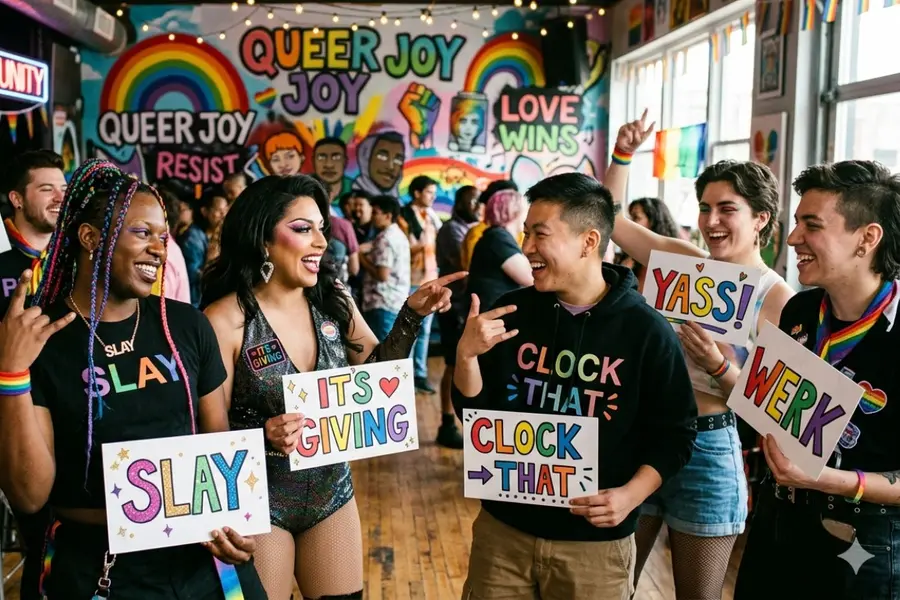
Spend a few minutes on TikTok, Instagram or X and you'll likely come across phrases like "slay", "it's giving" or "yas queen". Today, these expressions are so common that many people use them without thinking twice about where they came from.
What often gets overlooked, however, is that much of the internet's favourite slang has deep roots in queer culture, particularly Black and Latino LGBTQ+ communities. Over the years, terms that once thrived in underground spaces, drag culture and ballroom communities have made their way into mainstream conversations, influencing everything from memes and celebrity interviews to brand marketing campaigns.
Also Read
Here's a look at some of the queer slang that has become part of everyday language.
Slay
If someone says you "slayed," they're essentially saying you did an excellent job.
Whether it's a flawless outfit, a stunning performance or simply surviving a difficult day, "slay" has become one of the internet's favourite compliments. The term gained wider popularity through drag culture before exploding on social media, where it is now used by people across generations.
Serving
Originally associated with fashion and ballroom culture, "serving" is used when someone is delivering a particular look, vibe or energy exceptionally well.
You might see comments such as "She's serving old Hollywood glamour."
In internet culture, serving has become shorthand for embodying a style or aesthetic with confidence.
Ate (And left no crumbs)
When someone "ate," it means they performed so well that there was nothing left to criticise.
The phrase often appears under celebrity photos, fashion posts and viral videos like "he ate and left no crumbs."
The expression has become one of the most common forms of online praise.
Yas queen
One of the earliest queer expressions to enter mainstream culture, "yas queen" is used to celebrate, encourage or enthusiastically support someone.
Popularised through drag culture and later boosted by social media, the phrase became a staple of internet communication throughout the 2010s.
While its popularity has fluctuated over time, it remains instantly recognisable.
It's Giving...
Few phrases have dominated social media in recent years quite like "it's giving."
The expression allows people to describe a vibe, mood or impression without making a direct comparison.
Its flexibility has helped it become one of the defining phrases of Gen Z internet culture.
Clock that
To "clock" something means to notice it, recognise it or point it out.
The phrase is often used when someone spots a detail others may have missed or wants to draw attention to something important.
Examples include "Did anyone else clock what she said?" or "Clock the confidence."
The term remains a staple of queer internet language and has become increasingly common on TikTok and X.
Shade
Throwing shade means subtly insulting, criticising or mocking someone.
Unlike a direct insult, shade is often delivered with wit, humour or plausible deniability.
Reality television, celebrity culture and social media helped spread the term far beyond LGBTQ+ communities, and today it is widely understood across the internet.
Read
In queer and ballroom culture, a "read" is a sharp, often humorous critique that exposes someone's flaws or contradictions.
The phrase became particularly popular through drag competitions and reality television.
As fans adopted the language online, "reading someone" became a common way to describe a brutally honest takedown.
Werk
A variation of "work," the term is used as a form of encouragement or admiration.
When someone posts a great outfit or delivers a standout performance, comments often include "Werk!"
The phrase remains closely associated with drag culture and self-expression.
Tea
"Tea" simply means gossip, news or the truth about a situation.
Few pieces of queer slang have become as universally recognised as this one. It has become so mainstream that many users may not even realise its origins.
Mother
One of the internet's favourite compliments right now, "mother" is used to describe someone who is iconic, influential or effortlessly commanding attention.
Originally rooted in ballroom culture, where House Mothers often served as leaders and mentors, the term has evolved into a form of admiration online.
Today, the phrase dominates stan culture, fashion discussions and celebrity fandoms across social media.
Serving cunt
One of the most viral queer expressions to emerge into mainstream internet culture, "serving cunt" has little to do with its traditional use as an insult.
In queer and ballroom spaces, the phrase is used to describe someone who is exceptionally stylish, confident, glamorous or powerful. It's often associated with fashion, attitude and undeniable presence.
Examples include:
"She's serving cunt in that outfit."
"That red carpet look was pure cunt."
While the phrase has become increasingly common online, it remains closely tied to queer and drag culture.
Face Card
If someone's "face card never declines," it means they are exceptionally attractive.
The phrase compares good looks to a credit card that's always accepted. It has become one of the most popular compliments in online beauty, fashion and celebrity circles.
Over the past few years, the expression has become a major part of TikTok and Instagram vocabulary, particularly among Gen Z users.
Main character energy
While not exclusively queer in origin, the way the phrase is used online has been heavily influenced by queer internet culture's love of performance, self-expression and dramatic storytelling.
The term is used to describe someone behaving as though they are the protagonist of a film, TV show or their own life story.
Why queer slang resonates online
Part of the appeal of queer slang is its creativity. Many of these expressions are playful, dramatic, witty and highly adaptable qualities that make them perfect for internet culture.
Historically, queer communities developed unique forms of language as a way to build identity, express solidarity and communicate within spaces where they often faced exclusion. Over time, these words and phrases moved beyond those communities through drag performances, pop culture, reality television and, more recently, social media.
Today, terms born in queer spaces shape the way millions of people communicate online, often without them even realising it.
The next time someone says a celebrity "ate" a red carpet look or that an outfit is "serving", they're participating in a linguistic tradition that stretches far beyond social media trends.
-Compiled by Salma
Published: 15 Jun 2026, 03:52 pm IST
ABOUT THE AUTHOR
Related Topics
Disclaimer: Kindly avoid objectionable, derogatory, unlawful and lewd comments, while responding to reports. Such comments are punishable under cyber laws. Please keep away from personal attacks. The opinions expressed here are the personal opinions of readers and not that of Mathrubhumi.