
A crash axe is not meant to open an aircraft door or emergency exit. Aircraft doors and emergency exits have their own mechanisms and procedures
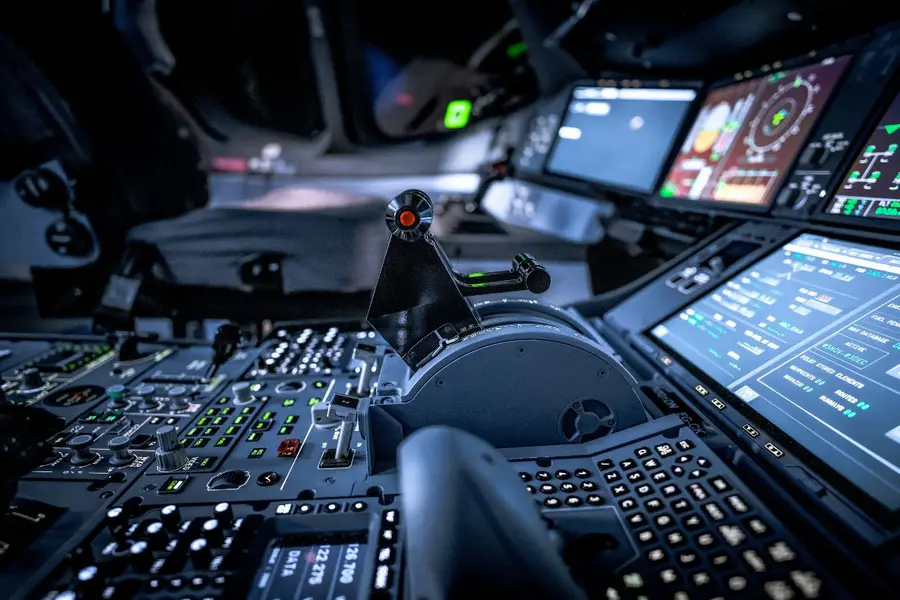
The emergency axe is one of those pieces of aircraft equipment that passengers rarely think about. It is kept out of sight, usually in an area accessible to the flight crew, and is there for one simple reason, emergencies can sometimes require tools that are not normally needed during a flight.
The equipment has come into the spotlight following the investigation into flydubai flight FZ1073, after UAE authorities said the co-pilot attacked the captain with an emergency crash axe and attempted to take control of the aircraft.
Also Read

The incident has naturally raised a question, why does an aircraft carry an axe in the first place?
An axe for emergencies, not for opening doors
A crash axe is not meant to open an aircraft door or emergency exit. Aircraft doors and emergency exits have their own mechanisms and procedures. The crash axe serves a different purpose, helping trained crew members reach areas that may be difficult to access during an emergency.
For example, if a fire or another problem develops behind a panel or inside an area that cannot be reached easily, the tool can help crew members gain access. In other words, it is an emergency access tool rather than a normal part of flying operations.
Why is it kept away from passengers?
The crash axe is designed to be available to trained crew members when needed, but it is normally kept away from passengers.
This is also reflected in aviation regulations. US Federal Aviation Administration rules require certain passenger-carrying aircraft to carry a crash axe, while other operating rules specify that it should be accessible to crew but inaccessible to passengers during normal operations.
Like other emergency equipment, it is inspected and maintained so that it is ready for its intended purpose.
What else is kept in the cockpit?
The cockpit contains several pieces of equipment that most passengers never see.
Depending on the aircraft, the flight deck can have emergency oxygen equipment, fire extinguishers, protective breathing equipment, flashlights, emergency communication equipment and other safety items. An FAA accident-investigation report, for example, documented cockpit emergency equipment on an MD-11 that included a fire extinguisher, protective breathing equipment, flashlights, a crash axe and an emergency radio.
Some of these items are also found in the passenger cabin, while others are specifically positioned for flight-crew use.
Could some of this equipment be misused?
Like many objects designed for emergency use, some equipment could theoretically be misused if it were placed in the wrong hands. A fire extinguisher, a heavy emergency tool or other rigid equipment could potentially cause harm if deliberately misused.
But that is not their purpose.
Aircraft emergency equipment is designed around a different priority of giving crew members the tools they need to respond quickly to fire, smoke, damage or other emergencies. Regulations also govern where certain equipment is kept and how it must be accessible to crew members. Modern aircraft security is also built around keeping unauthorised people from gaining access to the flight deck and its equipment.
Why keep such tools at all?
There is a simple reason. An aircraft is a complex machine, and an emergency may not always happen in a convenient location. Crew members may need to reach wiring, panels or other parts of the aircraft quickly. That is why equipment such as the crash axe continues to have a place on aircraft.
The FZ1073 investigation has brought unusual attention to an object normally associated with safety. But its original purpose remains straightforward to give trained crew members another tool to deal with an emergency when ordinary access may not be enough.
Published: 05 Oct 2026, 12:40 pm IST
ABOUT THE AUTHOR
Related Topics
Disclaimer: Kindly avoid objectionable, derogatory, unlawful and lewd comments, while responding to reports. Such comments are punishable under cyber laws. Please keep away from personal attacks. The opinions expressed here are the personal opinions of readers and not that of Mathrubhumi.