
From Persian kebabs and Japanese delicacies to Emirati specialities and Argentinian-inspired grills, Abu Dhabi's food scene brings together culinary traditions from across the world. A first-hand dining journey through five restaurants explores how different cultures, ingredients and traditions have shaped the emirate's multicultural food identity.
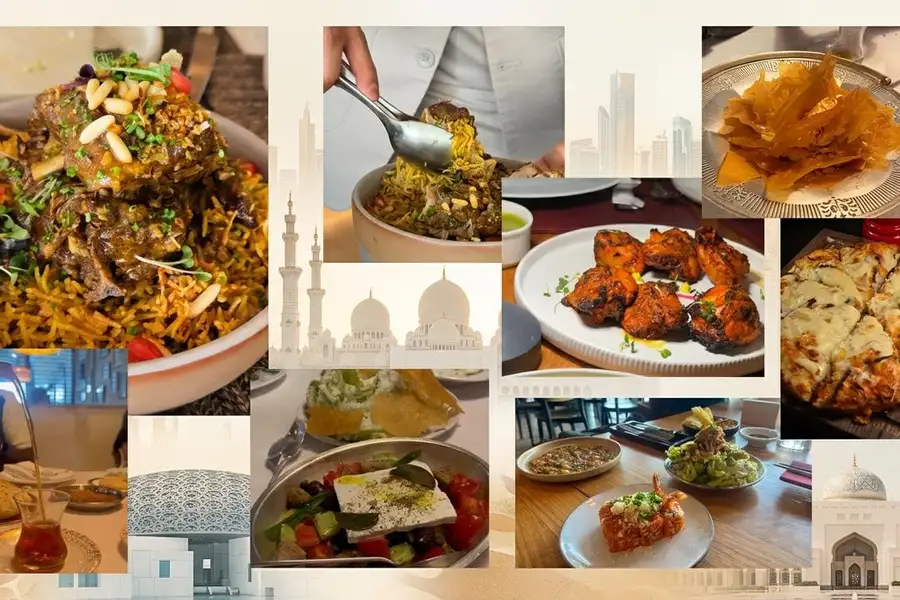
A city can reveal a lot about itself through its food. In Abu Dhabi, that story unfolds across tables filled with Persian kebabs, Japanese delicacies, Emirati specialities, Argentinian-inspired grills and Spanish small plates. Every cuisine brings a different story, shaped by the people, traditions and cultures behind it.
Home to communities from across the world, Abu Dhabi has developed a food culture that goes well beyond serving international dishes. Its restaurants offer glimpses into different ways of cooking, eating and celebrating food. Some stay closely connected to their culinary roots, while others bring traditions together in interesting ways. The result is a dining scene where familiar flavours from home sit comfortably alongside new and unexpected experiences.
During my culinary exploration of the city, what stood out was not just the variety of cuisines but how differently each restaurant approached food. Some experiences were rooted in tradition, others in experimentation, and a few offered an interesting meeting of cultures.
What follows is a personal account of these dining experiences, including how our group felt about them. Food, after all, is deeply subjective. Our preferences are different, and what appeals to one palate may not necessarily work for another. I also tend to prefer seafood, chicken and vegetarian dishes over lamb and beef, which naturally influences some of my impressions. This is not a definitive ranking of Abu Dhabi's restaurants, but rather a recollection of the flavours, dishes and experiences that stayed with us.
A taste of Persia at Soraya
If there was one place that everyone in our group seemed to agree on, it was Soraya.
Located at Yas Mall, the Persian restaurant welcomes diners into a greenhouse-inspired setting that feels warm and inviting. But it was the food that made the experience particularly memorable. There was something comforting about the meal. The dishes were filling without feeling too heavy, and the flavours had a homely quality that made the experience feel less like dining out and more like being welcomed to a table.
We began with complimentary flatbread, followed by hummus and Persian-inspired starters. The Greek salad and Persian Caesar salad, made with romaine lettuce, anchovies, Akawi cheese and yoghurt, brought some freshness to the table.
The chicken joojeh, prepared with saffron and yoghurt, was another highlight. Tender and flavourful, it offered a lovely introduction to Persian-style grilled chicken. We also tried khoresh-e bamieh-ye gav, a slow-cooked beef short rib and okra stew with tomato sauce, which brought a more traditional, slow-cooked element to the meal.
Dessert was just as memorable. The Napoleon millefeuille, layered with white chocolate, vanilla and crispy pastry, made for a lovely finish. Drinks included mango lassi and pomegranate lemonade, but one particular detail stayed with me long after the meal.
It was the Iranian tea.
Having watched Iranian tea being served in films and television dramas over the years, I had always been curious about experiencing it myself. Finally getting to sit down with a cup felt like one of those small travel moments that live up to expectations. It was a simple pleasure, but one that added something personal to the experience.
Persian cuisine has a long tradition of bringing people together through food. Sharing dishes, enjoying grilled preparations and taking time over a meal are all part of its dining culture. Soraya captured that warmth beautifully.
For our group, it was an experience without much disagreement. The food, atmosphere and overall hospitality came together in a way that made this one of the most enjoyable stops on our culinary journey.
Japanese precision at OTORO
I may be a little partial when it comes to Japanese cuisine. I have always been fascinated by Japanese food and culture, so OTORO was a restaurant I was particularly looking forward to visiting.
Located in the Al Qana waterfront district, the restaurant offers a modern take on Japanese dining. And for me, it came with a first: trying raw fish, including sushi, for the first time.
As someone who enjoys seafood, this was an experience I was especially excited about. The salmon carpaccio was among the dishes that introduced me to a different way of experiencing fish, while the crab dishes added to the variety.
The menu also featured dragon rolls with tempura prawn, gochujang and cucumber, bringing together different textures and flavours. The ebi fry, made with fried shrimp, Parmesan and sriracha, offered another combination of Japanese-inspired cooking with contemporary influences. We also tried the crab and Caesar salad, with anchovies, garlic croutons and Caesar dressing.
The black cod claypot, prepared with jalapeño miso, coriander and ginger, brought a different depth of flavour to the meal. For dessert, passion fruit with coconut, almond and sea salt provided a refreshing finish.
Japanese cuisine is often associated with precision, balance and attention to detail. Its appeal lies not only in the ingredients but also in the way flavours, textures and presentation come together. OTORO offered an opportunity to experience some of this through a contemporary dining approach.
Led by chef Akmal Anuar, the restaurant has also received a MICHELIN Bib Gourmand distinction.
Perhaps my fondness for Japanese food and seafood makes me slightly biased, but OTORO was undoubtedly one of the experiences I enjoyed most. Trying raw fish for the first time also made the meal particularly memorable.
Rediscovering Emirati flavours at Erth
With so many international cuisines shaping Abu Dhabi's food scene, it is equally important to explore the food traditions that originated here.
At Erth, located within the Zayed National Museum, the focus is on Emirati cuisine, presented through a contemporary dining experience. It is an opportunity to look beyond the familiar image of Middle Eastern food and understand the culinary heritage of the UAE.
Emirati cuisine has been shaped by the country's geography, history and trade connections. The desert, the sea and generations of cultural exchange have all influenced the ingredients and cooking methods used in traditional dishes. Rice, seafood, meat, dates and aromatic spices form an important part of this food culture.
Our meal included golden lentil soup, served with lemon wedges and Arabic bread croutons. It was a comforting start, with familiar ingredients presented in a simple yet thoughtful way.
Another interesting preparation was the Emirati laham harees broth, featuring slow-cooked laham neck, barley, coriander labneh foam and spicy oil. Harees is particularly significant in Emirati food traditions, often associated with family gatherings, hospitality and festive occasions. Its slow-cooked preparation reflects the importance of patience and sharing in traditional cooking.
What makes Erth interesting is the way it brings local culinary heritage into a modern setting. Rather than simply reproducing traditional dishes, it offers an interpretation that introduces these flavours to diners who may be experiencing Emirati cuisine for the first time.
For a city with such a strong international identity, this connection with local food heritage is important. A multicultural food scene is not just about welcoming cuisines from elsewhere; it is also about preserving and celebrating the flavours of the place itself.
Where Argentina meets Lebanon at Maté
Some restaurants tell the story of a single culinary tradition, while others bring different influences together. Maté, at Park Hyatt Abu Dhabi Hotel and Villas, does the latter.
The restaurant draws inspiration from Argentinian steakhouse traditions while incorporating Lebanese influences. Its open kitchen and wood-fired brick grills make the cooking process part of the dining experience.
Grilling has a special place in Argentinian food culture, particularly through the tradition of asado, where preparing and sharing grilled meat is as much a social occasion as it is a way of cooking. Lebanese food traditions, with their own emphasis on grilled preparations and generous dining, add another dimension.
The restaurant's name is also rooted in South American culture. Maté refers to the traditional herbal drink associated with Argentina and other parts of the region, where sharing the drink is an important social ritual.
During our visit, we tried grilled fish, steak tendrils and ribs, followed by a caramel-based dessert. The passion fruit drink was another part of the experience.
As someone who generally gravitates towards seafood and chicken rather than red meat, I approached the steak and ribs with a slightly different palate. However, the restaurant's open-grill concept and the coming together of Argentinian and Lebanese influences made it an interesting stop.
Maté is a good example of how Abu Dhabi's food scene is not limited to presenting international cuisines in isolation. It also creates spaces where culinary traditions meet and find new expressions.
A little taste of Spain at Marcella
At Yas Bay Waterfront, Marcella brings Spanish bistro culture into Abu Dhabi's dining landscape. Led by chef Mario Loi, the restaurant features an open kitchen, a wood-fired grill and an outdoor terrace overlooking the marina.
Spanish food culture has a strong association with social dining. Meals are often enjoyed slowly, with small plates and starters shared among friends and family. It is a style of dining that places as much importance on the company and atmosphere as it does on the food.
Our experience at Marcella was limited to starters and desserts rather than a complete meal. We tried the tempura chicken, a prawn starter and bread, followed by cheesecake.
The starters offered a glimpse into the restaurant's approach, while the dessert provided a sweet finish. Although I would have liked to explore more of the menu, the visit was a reminder that even a short dining experience can introduce you to another food culture.
Sometimes, discovering a cuisine does not require a complete meal. A few interesting dishes, a different setting and a little curiosity can be enough to make you want to return.
Beyond one cuisine, one identity
The restaurants we visited represent only a small part of Abu Dhabi's wider culinary landscape.
At Turquoise Restaurant at Rixos Premium Saadiyat Island, Turkish and international dishes come together in an expansive buffet experience designed for families and diners with different preferences.
Indian cuisine also has a strong presence in the emirate, reflecting the longstanding Indian community and its contribution to everyday life in the UAE. Restaurants such as Martabaan by Hemant Oberoi and Namak offer different interpretations of Indian food, from fine dining to contemporary regional cooking.
Beyond these established dining destinations, Abu Dhabi's food culture can also be found in its neighbourhood restaurants, cafeterias, bakeries and family-run establishments. These are places where people find familiar meals from home, whether it is an Indian thali, a Filipino favourite, a Pakistani preparation or a traditional Middle Eastern dish.
For many expatriates, these everyday food experiences are about more than satisfying hunger. They offer a sense of familiarity in a city far away from home. At the same time, they give others an opportunity to discover flavours and traditions they may not have encountered before.
That is perhaps what makes Abu Dhabi's food culture so interesting. It exists at different levels, from elaborate fine-dining experiences to simple neighbourhood meals, with each contributing to the city's culinary identity.
More than just a meal
Food has a way of bringing cultures closer without requiring a common language. A dish can carry memories of home, preserve family traditions and introduce someone to a culture they may know very little about.
That is what stood out during our culinary exploration of Abu Dhabi. It was not simply the number of cuisines available, but the different experiences each one offered. Soraya brought the warmth of Persian dining, OTORO introduced new experiences through Japanese cooking, Erth offered a connection with Emirati heritage, while Maté and Marcella showed how international food traditions continue to find their place in the city.
Of course, everyone at the table had their own preferences. Some dishes appealed more to certain palates than others, and our personal favourites were shaped by what we enjoy eating. That is the beauty of exploring food: there is rarely one universal verdict.
In Abu Dhabi, discovering the city's food culture is also a way of discovering the people who call it home. And perhaps that is the most interesting thing about dining in a city shaped by so many cultures: you do not have to travel across the world to experience different culinary traditions. Sometimes, all it takes is a seat at another table.
- This article is based on the author's dining experiences in Abu Dhabi. The observations and preferences shared are entirely personal, shaped by individual tastes and the group's overall experience. Food is subjective, and what stood out for us may differ for others.
Published: 14 Nov 2026, 02:31 pm IST


ABOUT THE AUTHOR

Related Topics
Disclaimer: Kindly avoid objectionable, derogatory, unlawful and lewd comments, while responding to reports. Such comments are punishable under cyber laws. Please keep away from personal attacks. The opinions expressed here are the personal opinions of readers and not that of Mathrubhumi.