
Russian President Vladimir Putin is set to visit India in December for the 23rd annual India-Russia summit
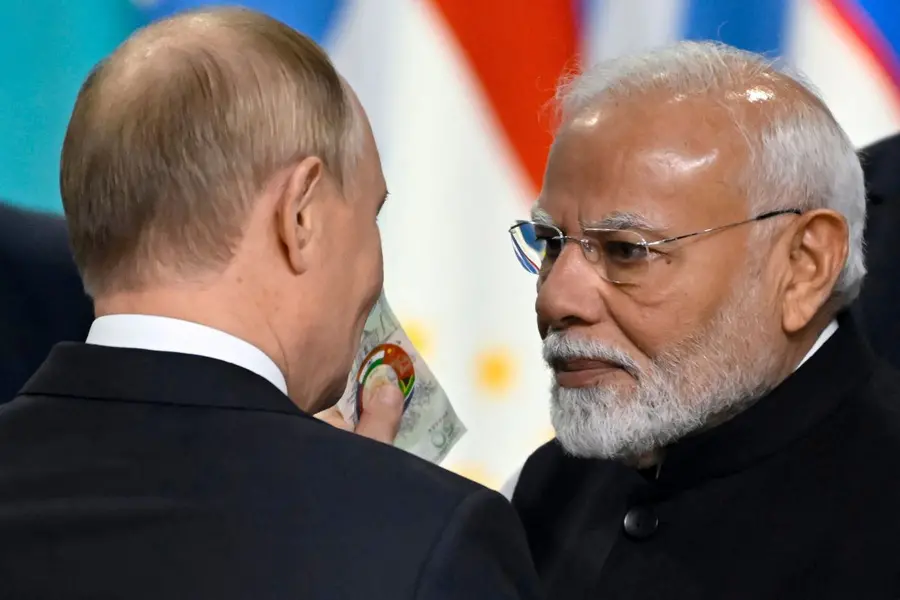
Vladimir Putin is coming to India this December, and this visit means much more than just another diplomatic meeting. It is a powerful statement to the entire world, especially to America and Europe, who thought they could force India to abandon Russia. When Modi and Putin shake hands in New Delhi for their 23rd annual summit, they will be showing everyone that India makes its own choices, no matter how much pressure the West applies.
This is Putin's first visit to India since 2021, and the timing is significant. For the past three years, Western countries have tried everything to break the friendship between India and Russia. They imposed sanctions, threatened with tariffs, and constantly pressured India to condemn Moscow. But India refused to bow down. Instead, we continued buying Russian oil at discounted prices, which actually saved our country around $13 billion. This helped keep our inflation under control while Europe struggled with high energy costs. Interestingly, it was America itself that initially asked India to help stabilize global oil prices by buying Russian crude.
Also Read

Recently, Donald Trump slapped tariffs of up to 50% on Indian goods, claiming we were indirectly supporting Russia's war efforts. But India didn't buckle. We defended our right to make sovereign decisions about where we buy our energy. Modi clearly explained that cooperation with Russia is essential for India's economic stability and national interests. Putin appreciated this courage and praised Modi for refusing to be bullied.
Many people ask why India hasn't been more critical of Russia. The answer lies in understanding our history. When India needed support during difficult times, the Soviet Union stood with us when others turned away. Many older Indians still remember reading Russian magazines or tasting Russian food for the first time. This goodwill runs deep across generations. One Indian diplomat explained it perfectly: "We have two big countries right on our borders, and you want us to be enemies with both while you're sitting safely halfway around the world? How does that make sense?"
There's another practical reason too. Because Western countries refused to sell us certain military equipment for decades, almost all our defense hardware today is Russian. We face serious security threats on two borders with China and Pakistan. If we are invaded tomorrow, should we suddenly abandon Russia just to please America? That would be foolish and dangerous.
Western sanctions have ironically brought India and Russia closer together in creative ways. When Russian banks were blocked from using the dollar system, both countries had to innovate. This is where rupee-ruble transactions became crucial. Instead of using dollars or euros for trade, India and Russia now conduct business directly in our own currencies. Indian companies pay in rupees, Russian companies receive rubles, and the exchange happens through special banking arrangements. This rupee-ruble payment system has grown significantly and is quietly building a sanctions-resistant financial corridor that bypasses Western control entirely.
Beyond currency swaps, both countries have even explored barter mechanisms for certain transactions. Barter means exchanging goods directly without using money at all, like trading Indian pharmaceuticals for Russian fertilizers or machinery. These old-fashioned methods, combined with modern local currency agreements and direct investments, have helped trade between our countries reach a record $68.7 billion in 2024-25, six times higher than before the pandemic. The West tried to choke Russia's economy, but India found ways around every barrier.
During this December summit, India and Russia will sign several important agreements. A landmark labor mobility agreement will allow thousands of skilled Indian workers to legally work in Russia in sectors like construction, engineering, and electronics. For Russia, this fills critical workforce gaps. For India, it opens fresh opportunities for our skilled professionals. Politically, it sends a clear message that India is not afraid to deepen cooperation with Russia, despite Western sanctions.
Energy cooperation will continue to be central. Even though some Indian refiners temporarily paused Russian oil orders in December due to American scrutiny, our long-term strategy remains unchanged. We need stable, affordable crude oil, and Russia needs a reliable buyer. Modi and Putin are expected to strengthen these alternative payment pathways further, explore nuclear energy partnerships, and develop renewable energy projects together. The West cannot bully us into abandoning our energy lifeline.
Defense cooperation will also be a major focus. Russia remains our primary military supplier, providing air defense systems, submarines, and fighter jets. Russia has even offered to transfer technology for the Su-57 fifth-generation stealth fighter to India without restrictions. Despite some delays caused by sanctions, both countries are committed to modernizing defense cooperation. India will not compromise our defense autonomy just to gain Western approval.
The broader message here is about sovereignty and multipolarity. Throughout 2025, Modi and Putin used platforms like SCO, BRICS, and RIC to challenge Western narratives and emphasize independent decision-making. They criticized double standards, discussed bypassing Western-controlled financial systems, and advocated for giving developing countries more say in global affairs.
For America and Europe, seeing Putin standing beside Modi in Delhi is deeply uncomfortable. They expected India would slowly drift into their orbit. Instead, India is cementing a multipolar identity that rejects blind alignment and champions sovereignty. The West sanctions, India negotiates. The West demands condemnation, India calls for dialogue. The West pressures, India pushes back.
When Putin's plane lands in New Delhi this December, the message will be unmistakable. India and Russia are reinforcing their sovereignty and refusing to be pushed around by global power blocs. This partnership is not collapsing or weakening. It is adapting, deepening, and expanding through rupee-ruble transactions, barter systems, and innovative financial mechanisms that make Western sanctions irrelevant. The summit is a declaration that both countries will choose their partners and define their interests without waiting for Western approval. In a volatile world of shifting alliances and economic coercion, the India-Russia partnership offers a different model: not blind alliance, but sovereign cooperation between equals.
Published: 26 Nov 2025, 01:32 pm IST
Disclaimer: Kindly avoid objectionable, derogatory, unlawful and lewd comments, while responding to reports. Such comments are punishable under cyber laws. Please keep away from personal attacks. The opinions expressed here are the personal opinions of readers and not that of Mathrubhumi.