
A leopard that survived Canine Distemper Virus (CDV) in Madhya Pradesh is now at the centre of a new state plan for a specialised wildlife care facility aimed at managing infected and vulnerable big cats.
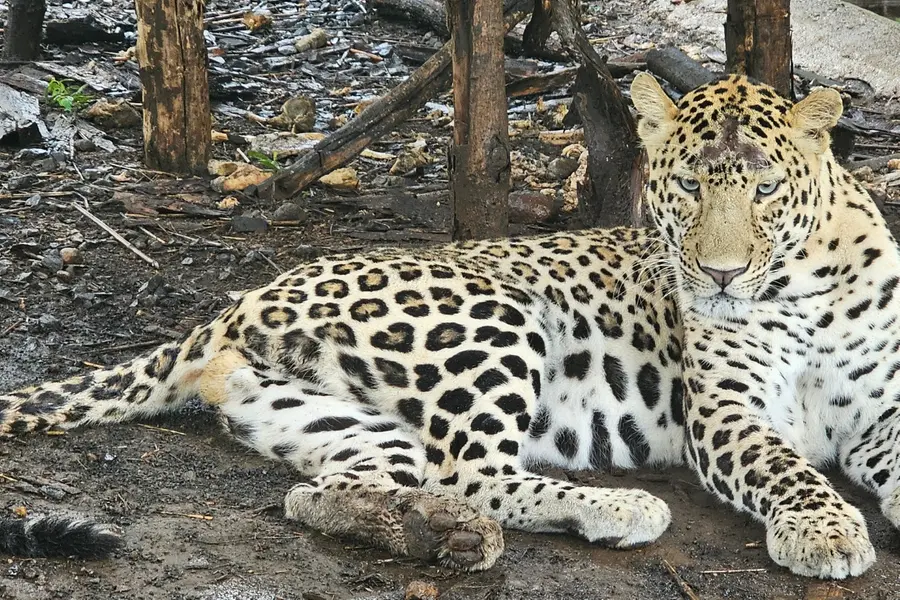
Bhopal: For nearly two and a half years now, a leopard has lived behind an enclosure at Madhya Pradesh’s Kheoni Wildlife Sanctuary (KWS) in Dewas — not because it was born in captivity, but because the wild no longer belongs to it. Rescued after straying into Iklera Village in Dewas district and later diagnosed with the deadly Canine Distemper Virus (CDV), the big cat survived against the odds following timely treatment at Indore zoo’s veterinary hospital.
But survival came at a cost. Unable to be released back into the wild due to the contagious nature of the disease, the leopard, whom the staffers of the sanctuary lovingly call ‘Ramu’, has since been confined to an enclosure — a silent reminder of the growing threat wildlife diseases pose to India’s forests.
Also Read

Now, as the Madhya Pradesh Forest Department prepares to set up a special zoo-like facility at the State Wildlife Health and Forensic (SWFH) Centre in Jabalpur, Ramu, the 13-year-old male leopard, is set to become its most symbolic resident — a survivor whose story is shaping the state’s response to an emerging wildlife crisis.
Also read | Deadly shadow over Kanha: How a virus silently killed a tigress and her 4 cubs
For those unaware, Ramu is the same leopard that went viral on social media in 2023. After straying into Iklera village in August that year, it was seen in a disoriented state and displayed unusual calm instead of aggression. The leopard was so disoriented that it did not react to people clicking selfies with it or even trying to ride it, videos of which had gone viral at the time. Later, the Dewas forest department rescued the big cat and sent it to Indore for treatment. After reportedly undergoing treatment for more than 100 days, the leopard was shifted to the sanctuary in December, which has since become its home.
At present, the leopard resides inside an enclosure in the sanctuary measuring 30 metres wide and 60 metres long. The enclosure has a small water pool for it to drink from and cool down during the summer. It also has snags (tree branches) placed inside for the feline to climb upon. The leopard’s enclosure is cleaned weekly with phenyl and other disinfectants.
Sharing an update on the leopard’s health condition, Samita Rajora, Principal Chief Conservator of Forest (Wildlife), said, “The leopard did have CDV when it was rescued. But, after undergoing treatment, it has been clear of the virus. We took a PCR test, which confirms whether the animal has the virus or not, and it came back negative. All its reports have come clear, and the leopard is clear of the CDV. It's eating well and doing well.”
However, despite recovering from the virus, the animal continues to remain inside the enclosure. According to a senior forest department official, who requested anonymity, attempts were made to release the leopard back into the wild. “After all of its reports came clear, we tried to release it back into the wild, and it was under our observation for two to three days. However, it had lost its ability to hunt and wouldn’t have survived in the wild. Therefore, we had to rescue it again,” the official explained.
Also read | Anant Ambani urges Colombia to halt killing of 80 hippos, offers Vantara relocation
Speaking about the upcoming special facility, Rajora said, “For such animals, our department has been working on it. We are going to make a special facility in Jabalpur. We've already talked about it, we're planning, and it's in the end phases now; we'll be doing it very soon.”
When asked how long the project would take to become operational, she said, “See, it's a facility that will need construction activities, and so, by the end of this year, maybe, it will come into place.”
The work on the special facility, Rajora said, has already begun. In the future, any CDV-affected animal will be brought to the facility centre. “There will be a special security and quarantine area for these big cats. The Kheoni leopard will also be brought to the centre eventually. The facility is being developed in a way that these big cats can have a good life. It’ll be on the lines of zoo enclosures,” Rajora added.
Though captivity became Ramu’s fate, his survival is now shaping how the state plans to protect and rehabilitate wildlife affected by deadly infections like CDV.
Published: 10 May 2026, 12:17 pm IST
Related Topics
Disclaimer: Kindly avoid objectionable, derogatory, unlawful and lewd comments, while responding to reports. Such comments are punishable under cyber laws. Please keep away from personal attacks. The opinions expressed here are the personal opinions of readers and not that of Mathrubhumi.