
A tigress and her four cubs in Madhya Pradesh's Kanha Tiger Reserve have fallen victim to Canine Distemper Virus (CDV), sparking a frantic containment effort by forest officials including quarantines, carcass burnings, dog vaccinations, and safari shutdowns to protect other big cats.
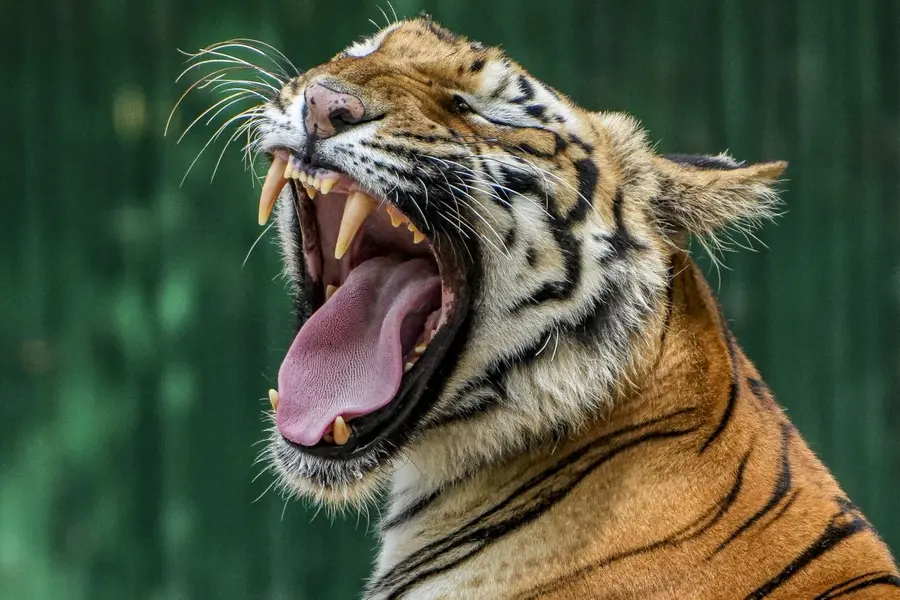
The recent death of a tigress and its four cubs in Madhya Pradesh's Kanha Tiger Reserve has brought focus on the silent spread of Canine Distemper Virus (CDV), known to affect tigers and leopards. The death of tigress T-141 and its cubs is now an emerging concern among wildlife conservationists. The incident has also prompted scrutiny of how serious a threat CDV poses to wildlife populations, and how Madhya Pradesh forest officials, guided by the guidelines of the National Tiger Conservation Authority (NTCA), have acted to contain its spread.
Before detailing the steps undertaken by the department to curb the virus's spread among other tigers or leopards, it is important to understand the virus itself.
CDV is a highly contagious and serious viral disease that affects the respiratory, gastrointestinal, and nervous system. Although it can occur in any carnivore, it is most commonly found among dogs.
Explaining how the virus spreads, Samita Rajora, Chief Wildlife Warden and Principal Chief Conservator of Forest (Wildlife), Madhya Pradesh, said, "CDV is contracted by either eating an infected animal or coming in contact with an infected animal."
Elaborating on its impact on tigers, Rajora added that "just when the immunity goes low, then this virus affects them. And then, it affects their central nervous system also. It acts like it has become disoriented. They will be salivating or might also have some upper respiratory problem. What happens is when the CDV strikes, and the immunity is low, then other diseases also take over. So, the animal is hit from all sides."
Also Read: Legacy in Stripes: Remarkable tales of India's celebrated tigers
In the Kanha Tiger Reserve case, the mother tiger may have eaten a CDV-affected dog, and the cubs likely contracted it from her.
The risk, however, was not limited to just the tigress and her cubs, as other carnivores in the area were also vulnerable. "If the animals come in contact with the saliva of the CDV-affected tiger or has eaten the same animal that the tiger was eating, then the saliva could actually infect the other animals too. So, that's how in Kanha, the mother and the cubs got affected, because they might have eaten the same meat."
From initial pneumonia concerns to confirmed CDV deaths
In April, when the department found two dead cubs in the Amahi area of Sarhi zone, it was already aware of the presence of a tigress with four cubs in the same area. Following the discovery, Rajora directed her team to locate the mother and the remaining two cubs.
"After that, we started keeping a watch on it. We put the elephants in search of the tigress and the two remaining cubs. We were worried about what could have caused their death because two cubs of the same litter were gone. I was later informed that the other two cubs were with the mother, but the female is supposedly sick or not hunting because of which they weren’t eating enough."
As the search continued, the third cub of the litter was also found dead. Its body was immediately sent to the School of Wildlife Forensic and Health (SWFH) at Jabalpur, located about 125 kilometers from the reserve, where multiple tests were conducted to determine the cause of death. Shortly after, the tigress and the surviving cub were located alive and promptly rescued.
Describing their condition at the time of rescue, Rajora said, "When the tigress was found, it had become weak, disoriented, grasping of air, and all those signs that indicated it was unwell. The cub also had similar symptoms but still seemed steadier, compared to the mother. We rescued both and brought them for treatment."
At that stage, however, the exact cause of illness was still unclear. "In the meantime, the reports of the third cub arrived which suggested that it had a lot of upper respiratory stress. We thought it could be pneumonia, but again, pneumonia in summers felt strange. However, we started the treatment with strong antibiotics and steroids. We were still treating the mother-cub as per a suspected case of CDV. Soon the reports arrived and the CDV was confirmed."
How wildlife dept tried stopping CDV's spread
For every tiger death, whether due to natural or unnatural causes, the NTCA has mandated guidelines to be followed. There is also a specific protocol that forest departments across the country must adhere to in cases involving the spread of such deadly viruses. In this case as well, the department followed these guidelines.
Detailing the containment measures, Rajora said, "First off, we cordoned-off the area. Then, whatever carcasses we found in the tigress's area were picked up by the department and burnt. A team was also picking up their scat across the area. Since their bodies were found near a waterhole, that and the rest of the nearby waterholes were also closed down by putting chuna (lime). The food which the department had kept for the tiger family was also taken back, burnt, and destroyed."
She further explained the additional precautions taken during the rescue and treatment process. "The tigers were immediately isolated and kept in quarantine, their enclosures were sanitized using a solution highly effective in killing viruses, and so were the vehicle and cage in which they were brought sanitized. The staff that was in/around the area were also given separate shoes so they could wash and wear them," she said.
While the threat remained, there was some relief as no other tiger was captured in the numerous camera traps in the same area, especially since tigers are solitary animals and rarely cross into each other’s territory.
However, precautionary measures were intensified to minimise any further risk. Rajora said that in the area where the tiger family died, efforts were made to keep other animals away. "We have deployed the department's elephants in the area, so that other animals are not at any risk."
Explaining this strategy further, she added, "So, when the elephants rampage that area, when they are on the prowl, you don't see tigers or leopards around. We did see a tiger very far off, but it seemed to be a healthy male, so it was ok, but other than that, no animal was around it. We ensured that at least two square kilometers of that area had no human (other than forest team), no animal, or a dog to be seen. Generally, dogs don't come inside the jungles but in this case, the tigress must have eaten a CDV-affected dog."
Dept's dog vaccination drive is underway
In line with protocol, the forest department has also initiated a vaccination drive for dogs in the surrounding region. Speaking on this, the PCCF said, "About 140 dogs (domestic and stray) in the vicinity, all of them have been immunised.
Till yesterday, I had reports that more than 98 had been immunised and they had been taken care of. None of them have any disease, or that they are showing any symptoms." This drive is being carried out with the department's veterinary wing. Meanwhile, the department has also asked locals, especially safari drivers and guides, to inform officials if they come across any sick-looking animal.
Tiger safari put on hold in Amahi area of Kanha’s Sarhi zone
Among the measures taken to contain the virus's spread, the department has also suspended wildlife safari in the affected area under the Sarhi core zone of the tiger reserve.
Elaborating on this decision, Rajora said, "The tigress was locally known as Amahi female, since she was seen in the Amahi area of Sarhi zone. We have closed down the Amahi area for safaris. The other zones are still open, but in the area where this incident happened, we have closed it."
Published: 06 May 2026, 09:25 am IST
Disclaimer: Kindly avoid objectionable, derogatory, unlawful and lewd comments, while responding to reports. Such comments are punishable under cyber laws. Please keep away from personal attacks. The opinions expressed here are the personal opinions of readers and not that of Mathrubhumi.
