
AI detection tools are increasingly used to identify deepfakes and synthetic media online, but recent testing suggests their reliability remains uncertain
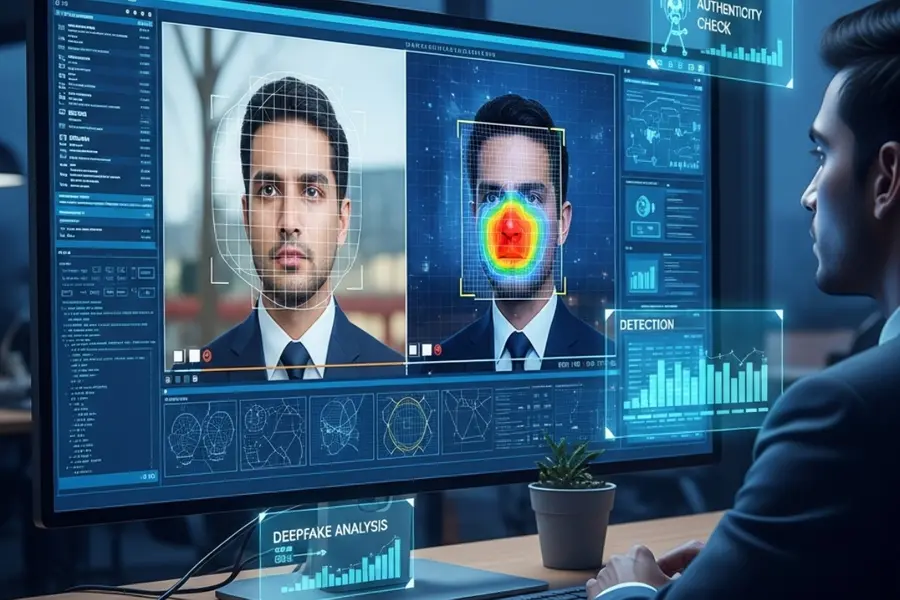
Artificial intelligence detection tools are designed to analyse videos and images to determine whether they are authentic or generated using AI systems. These tools typically examine hidden watermarks, digital artefacts, pixel-level inconsistencies and structural irregularities that may indicate synthetic manipulation.
However, testing conducted by The New York Times found that while some AI-generated media could be identified, overall accuracy was inconsistent. In certain cases, the detectors successfully flagged manipulated content. In others, they failed to identify synthetic material or incorrectly suggested that authentic media might be altered.
Also Read

The results highlight a broader technological gap. While AI systems used to generate synthetic media are advancing rapidly, detection tools are still developing and often struggle to keep pace. Many detectors rely on patterns specific to known AI models, meaning that newer or modified systems can bypass existing detection mechanisms.
For journalists, fact-checkers and online platforms, this presents a significant challenge. AI detection tools can support investigations and raise red flags, but they cannot yet provide definitive verification. Experts emphasise that human review, source validation and contextual analysis remain essential components of digital verification.
As synthetic media becomes more sophisticated, the debate continues over whether detection technology can evolve quickly enough to maintain trust in digital content. For now, AI video detection tools serve as supplementary aids rather than conclusive proof of authenticity.
Published: 26 Feb 2026, 08:30 am IST
Related Topics
Disclaimer: Kindly avoid objectionable, derogatory, unlawful and lewd comments, while responding to reports. Such comments are punishable under cyber laws. Please keep away from personal attacks. The opinions expressed here are the personal opinions of readers and not that of Mathrubhumi.