
The World Health Organization has warned that while vaccination programmes have saved millions of lives across Africa, progress is slowing due to funding cuts and global geopolitical disruptions.
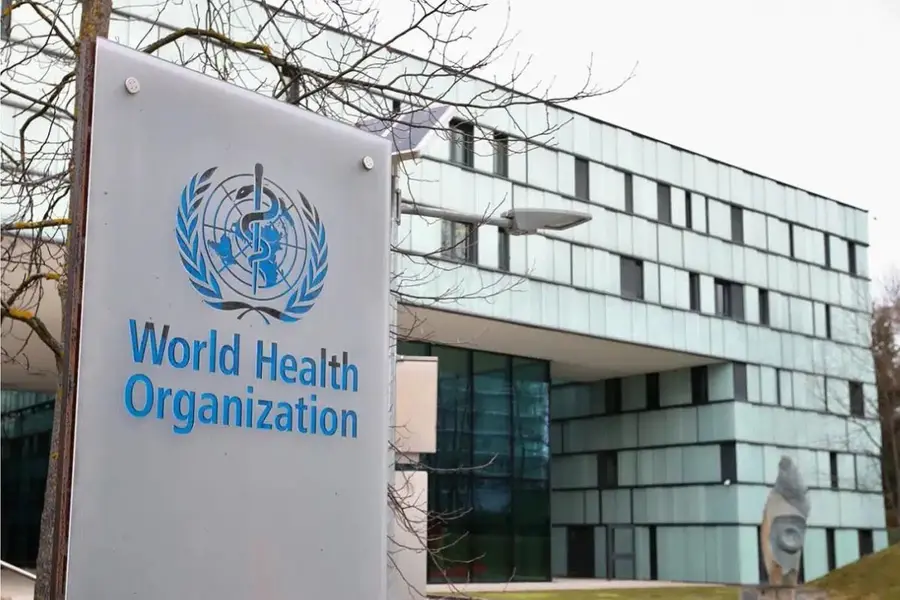
The World Health Organization has reported that vaccination programmes across Africa have saved tens of millions of lives over the past five decades, significantly improving public health outcomes across the continent.
According to the agency, more than 500 million children have been reached through routine immunisation since 2000, helping prevent millions of deaths each year.
Also Read

Major health milestones achieved
The report highlights major achievements, including the eradication of wild poliovirus in 2020 and the elimination of maternal and neonatal tetanus in most African countries.
Vaccines targeting diseases such as malaria are also being expanded across multiple countries, marking a significant advancement in preventive healthcare.
Despite these gains, the WHO warns that immunisation progress is uneven, with some countries experiencing a slowdown in vaccination coverage.
Health officials say the COVID-19 pandemic contributed to gaps in routine immunisation, leaving many children unvaccinated across several regions.
Ten countries reportedly account for the majority of unvaccinated children in the region, highlighting major inequalities in healthcare access.
Also read | Trump’s divine drama gets a smackdown as Iran adds Jesus, lava and Epstein shade
Funding cuts raising concerns
The report also raises concerns over declining international aid, particularly following reductions in support from the United States.
Health experts warn that cuts in global health funding are affecting vaccination campaigns, cold-chain systems, and outreach programmes that are essential for reaching remote communities.
The Gavi, the Vaccine Alliance has also been highlighted as facing financial pressure amid rising demand for immunisation support.
The WHO also noted that geopolitical tensions, including conflicts affecting global supply chains, are increasing operational challenges for health systems in Africa.
Rising fuel costs and logistics disruptions are impacting healthcare delivery, particularly in rural and fragile regions that depend heavily on external support.
Experts warn of long-term risks
Public health experts caution that continued reliance on external funding could threaten long-term progress unless countries increase domestic investment in healthcare systems.
They stress that sustained financing, stronger infrastructure, and improved vaccine access are critical to maintaining immunisation gains achieved over the past decades.
While vaccination programmes have delivered historic public health improvements across Africa, the WHO warns that funding gaps and global disruptions could slow progress, putting millions of children at risk if urgent action is not taken.
(With AP inputs)
Published: 15 Apr 2026, 10:30 pm IST
Disclaimer: Kindly avoid objectionable, derogatory, unlawful and lewd comments, while responding to reports. Such comments are punishable under cyber laws. Please keep away from personal attacks. The opinions expressed here are the personal opinions of readers and not that of Mathrubhumi.