
Health experts are now assessing experimental vaccines and treatments because the Bundibugyo strain involved currently has no approved vaccine
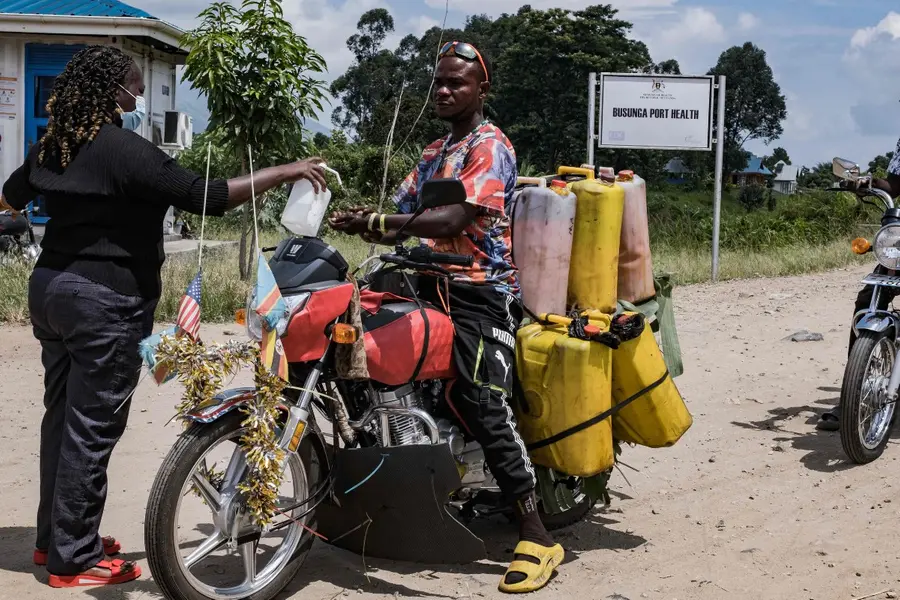
A fresh outbreak of Ebola in the Democratic Republic of the Congo is once again putting global health agencies on alert. The World Health Organization (WHO) has warned that the outbreak could become prolonged and difficult to contain, especially because the virus strain involved currently has no approved vaccine or specific treatment.
Health officials are now racing to evaluate whether experimental vaccines or therapies could help slow the spread of the disease before the outbreak escalates further.
What is happening in Congo?
The WHO has declared the outbreak an international health emergency after hundreds of suspected infections and deaths were reported.
According to health authorities:
- More than 500 people are suspected to have been infected
- At least 131 deaths are linked to the outbreak
- The virus involved is the Bundibugyo strain of Ebola
The outbreak was officially declared last week and is already being described as a high-risk situation because of the possibility of wider spread.
Why this Ebola outbreak is different
One major reason experts are concerned is that the current outbreak involves the Bundibugyo strain of Ebola, a less common variant for which there is currently no approved vaccine or targeted treatment.
Most existing Ebola vaccines were developed specifically for the Zaire strain, which was first identified in 1976 and has caused several major outbreaks across Africa.
Health officials say those approved vaccines cannot automatically be used against the current strain without further scientific evaluation.
What exactly is Ebola?
Ebola is a severe viral disease that spreads through direct contact with infected bodily fluids, contaminated surfaces or infected animals.
Symptoms often begin suddenly and can include:
- Fever
- Severe weakness
- Muscle pain
- Vomiting
- Diarrhoea
- Internal and external bleeding in severe cases
The disease can spread rapidly in communities and healthcare settings if protective measures are not followed carefully.
Ebola outbreaks have killed more than 15,000 people across Africa over the past five decades.
Why experts fear the outbreak could last months
WHO officials say the outbreak may not end quickly.
Anne Ancia, the WHO’s representative in Congo, warned that even if potential vaccines are approved for emergency use, it could still take around two months before supplies become available.
She also pointed to previous Ebola outbreaks that lasted for years. Congo’s deadliest outbreak between 2018 and 2020 killed nearly 2,300 people before it was finally brought under control.
Because Ebola spreads through close contact, outbreaks can become difficult to stop in areas with limited healthcare infrastructure, delayed diagnosis or shortages of medical equipment.
Are vaccines or treatments being tested?
The WHO said international experts are now examining whether any candidate vaccines or therapies could help control the outbreak.
A technical advisory group is reviewing which experimental vaccines should be prioritised for possible emergency deployment.
One vaccine candidate under discussion is Ervebo, although it was originally developed for the Zaire strain rather than Bundibugyo.
Scientists are still studying whether it may offer partial protection or play some role in prevention efforts.
Officials stressed that more research is needed before any decisions are made.
What is the WHO doing right now?
The WHO and partner organisations have already begun emergency response operations in affected regions.
According to officials:
- More than 40 experts have been deployed on the ground
- Around 12 tonnes of medical supplies have been sent from Kinshasa and Nairobi
- Protective gear for healthcare workers is being distributed
- Temporary treatment centres are being established
- Laboratory testing capacity is being expanded
The WHO is also working alongside humanitarian organisations including Doctors Without Borders to strengthen containment efforts.
Why Ebola outbreaks remain so dangerous
Unlike many respiratory viruses, Ebola does not spread easily through the air. However, its high fatality rate and rapid progression make outbreaks particularly dangerous once community transmission begins.
The lack of approved vaccines for certain strains also increases the challenge for health workers trying to contain infections quickly.
Experts say early detection, isolation of patients, protective equipment and community awareness remain the most effective tools for controlling outbreaks.
Published: 19 May 2026, 05:21 pm IST
Related Topics
Disclaimer: Kindly avoid objectionable, derogatory, unlawful and lewd comments, while responding to reports. Such comments are punishable under cyber laws. Please keep away from personal attacks. The opinions expressed here are the personal opinions of readers and not that of Mathrubhumi.
