
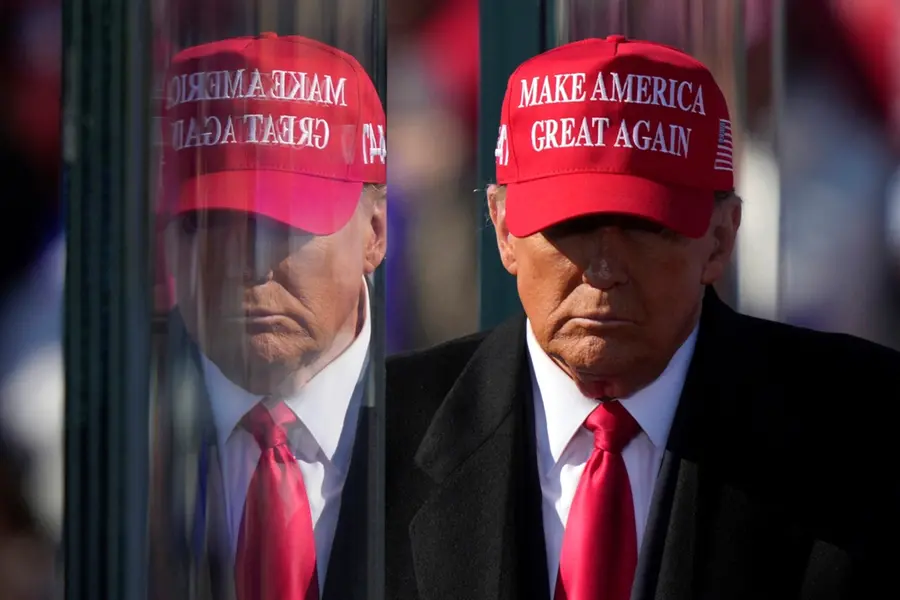
New York: Several major American universities have issued travel advisories for their international students and staff, urging them to return to the US before President-elect Donald Trump's inauguration in January. The advisories are in response to potential travel restrictions that could be introduced by the incoming administration.
With Trump set to take office on January 20, 2025, there are fears that new executive orders related to immigration and the economy could cause disruptions for travellers. Trump's administration has previously imposed travel bans, and universities are advising international students and faculty to consider returning to the US before his inauguration to avoid potential visa delays or travel restrictions.
Also Read

According to the 'Open Doors 2024 Report on International Educational Exchange,' India has surpassed China as the leading country of origin for international students in the US, with 331,602 students enrolled in the 2023-2024 academic year, reflecting a 23 percent increase from the previous year. China, which saw a decline of 4 percent, still remains the largest source for undergraduate and non-degree students.
Associate Dean and Director at Massachusetts Institute of Technology (MIT) International Students Office David Elwell in a post following the presidential elections said that with every election, “when there is a change in administration on the federal level there can be changes in policies, regulations, and legislation that impacts higher education as well as immigration and visa status matters".
“Students who would need to apply for a new entry visa at the US Embassy/Consulate abroad to return to the US in their student status should assess the possibility of facing any extensive processing times and have a backup plan if they must travel abroad and wait for a new entry visa to be issued. Any processing delays could impact students' ability to return to the US as planned,” Elwell said.
The University of Massachusetts, Amherst, has strongly advised its international students, faculty, and staff to reconsider their travel plans during the winter break, urging them to return to the US before the new administration takes over. Although this is not a requirement, the university cited past experiences with travel bans during Trump's first term, emphasising caution in light of potential policy changes.
At Wesleyan University, concerns about future policy shifts under the Trump administration are ongoing. The university's Office of International Student Affairs has expressed worry over the potential impacts of new immigration policies. Similar to other universities, Wesleyan is keeping a close watch on the situation, particularly following the travel ban implemented by Trump’s administration in 2017, which caused widespread disruptions. “Much uncertainty surrounds the possible changes to American immigration policy that could be enacted by the Trump administration beginning January 20, 2025.”
The report added that Wesleyan's Office of International Student Affairs (OISA) has been “concerned about sweeping policy changes” that could be implemented soon after Trump's inauguration. “With the presidential inauguration happening on Monday, January 20, 2025, and uncertainties around President-elect Donald Trump's plans for immigration-related policy, the safest way to avoid difficulty re-entering the country is to be physically present in the US on January 19 and the days thereafter of the spring semester,” an email sent on November 18 to international students studying under the F-1 visa read, according to the Wesleyan Argus report.
In addition to policy concerns, universities have also pointed out that transitions between administrations can affect staffing at US embassies and consulates, leading to delays in visa processing. This uncertainty, combined with potential executive orders from Trump, is making universities cautious and advising international members of their community to take precautionary measures.
Agency
Published: 30 Nov 2024, 08:14 am IST
Related Topics
Disclaimer: Kindly avoid objectionable, derogatory, unlawful and lewd comments, while responding to reports. Such comments are punishable under cyber laws. Please keep away from personal attacks. The opinions expressed here are the personal opinions of readers and not that of Mathrubhumi.