
Columbia was among the first targets of President Trump’s crackdown on pro-Palestinian campus protests and on colleges that he asserts have allowed antisemitism
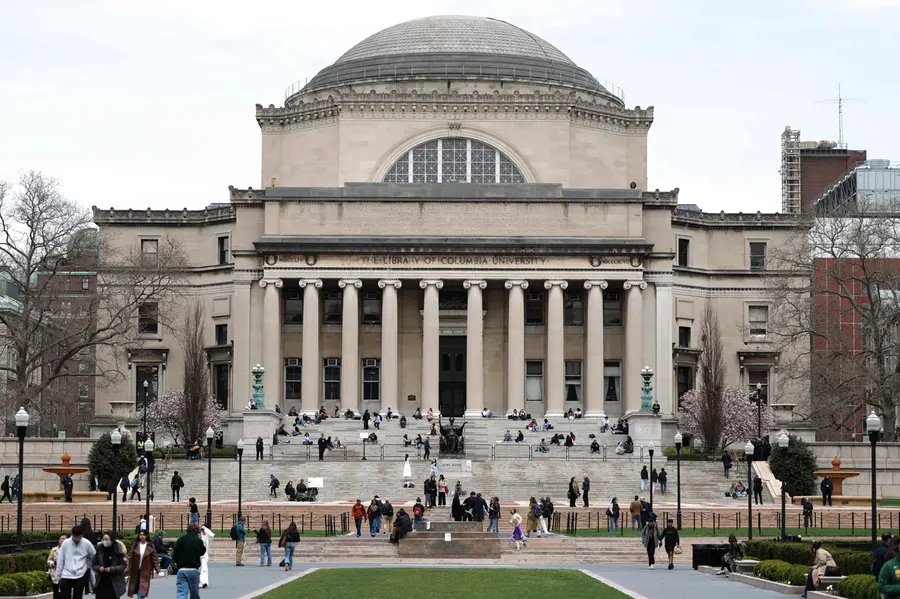
Columbia University has agreed to pay over $220 million to the federal government in a sweeping settlement aimed at restoring federal research funding that was previously revoked amid allegations that the university failed to address antisemitism on campus.
The agreement, announced Wednesday, includes a $200 million settlement to be paid over three years, according to university officials. An additional $21 million will resolve alleged civil rights violations against Jewish employees that the White House says occurred following the October 7, 2023, Hamas attack on Israel.
Also Read

“This agreement marks an important step forward after a period of sustained federal scrutiny and institutional uncertainty,” said Acting University President Claire Shipman.
Columbia was among the first targets of Trump’s federal cuts
The settlement concludes months of intense negotiations between the Ivy League university and the Trump administration, which had previously canceled more than $400 million in federal grants. The administration accused Columbia of failing to adequately respond to antisemitic incidents on campus in the aftermath of the Israel-Hamas war.
The university became one of the earliest and most high-profile targets of the Trump administration’s broader crackdown on antisemitism at American colleges — particularly in response to pro-Palestinian protests that erupted nationwide. At Columbia, demonstrators were accused of targeting Jewish students, prompting federal scrutiny and the threat of billions in lost funding.
Yet it soon was overshadowed by Harvard University, which became the first higher education institution to defy Trump’s demands and fight back in court.
Agreement enacts major reforms in university policies
While Columbia did not admit to any wrongdoing under the terms of the agreement, Shipman emphasised that the deal preserves the university’s autonomy while implementing necessary changes.
As part of the settlement, Columbia has committed to several institutional reforms, many of which were first announced in March. These include:
- Overhauling its student disciplinary process
- Applying a federally endorsed definition of antisemitism to both classroom instruction and disciplinary proceedings
- Reviewing its Middle East curriculum to ensure it is “comprehensive and balanced”, appointing new faculty to its Institute for Israel and Jewish Studies
- Ending programs that promote “unlawful race-based outcomes, quotas, diversity targets or similar efforts”, and submit reports to a federal monitor confirming that its diversity, equity, and inclusion (DEI) initiatives do not violate federal guidelines.
Education Secretary Linda McMahon praised the settlement, calling it “a seismic shift in our nation’s fight to hold institutions that accept American taxpayer dollars accountable for antisemitic discrimination and harassment.”
“Columbia’s reforms are a roadmap for elite universities that wish to regain the confidence of the American public by renewing their commitment to truth-seeking, merit, and civil debate,” McMahon added.
University to expel, suspend campus protestors
Tensions at Columbia intensified during the spring 2024 semester when widespread demonstrations erupted in response to Israel’s military campaign in Gaza. An internal university task force later found that some Jewish students experienced verbal abuse, ostracism, and classroom intimidation.
However, protest organisers and some Jewish students involved in the demonstrations insisted their actions targeted Israeli government policy — not Jewish individuals — and rejected claims of antisemitism.
The controversy unfolded amid leadership instability at Columbia, which cycled through three interim presidents over the past year. University leaders have since acknowledged the need for a significant shift in campus climate and disciplinary enforcement.
This week, Columbia announced it would suspend, expel, or revoke degrees from more than 70 students involved in recent unauthorised protests — including a May sit-in at the university’s main library and a demonstration during alumni weekend last year.
Funds rolled back, university residences raided
Columbia was also the site of escalating legal action. The Justice Department conducted searches of student housing amid allegations that the university had harbored undocumented individuals. Mahmoud Khalil, a former graduate student and prominent pro-Palestinian activist, became the first person detained in the administration’s new deportation efforts targeting non-citizen protestors.
Under the settlement, Columbia will be required to provide the federal government with information about disciplinary actions involving international students, potentially paving the way for further immigration enforcement.
The agreement also introduces a new requirement for prospective international students to answer questions about their intentions in studying in the United States, and mandates new policies to promote “civil discourse” among all students.
Broader political and legal campaign
Columbia’s settlement comes as part of a broader campaign by the Trump administration to impose stricter scrutiny on higher education institutions. The administration has leveraged federal research grants to pressure universities, freezing over $2 billion in funding to schools including Cornell, Northwestern, Brown, and Princeton.
The University of Pennsylvania also saw $175 million in funding revoked in March due to a dispute over its handling of women’s sports and transgender athlete policies. The funding was reinstated after the university agreed to amend its records related to swimmer Lia Thomas.
The administration’s efforts are not limited to private institutions. University of Virginia President James Ryan resigned in June following a Justice Department investigation into the school’s DEI practices. A similar inquiry was launched this month at George Mason University.
Published: 24 Jul 2025, 09:58 am IST
Related Topics
Disclaimer: Kindly avoid objectionable, derogatory, unlawful and lewd comments, while responding to reports. Such comments are punishable under cyber laws. Please keep away from personal attacks. The opinions expressed here are the personal opinions of readers and not that of Mathrubhumi.