
The US House has passed a sweeping Russia sanctions bill that could allow tariffs of up to 100% on countries buying Russian oil and gas, while retaining exceptions for certain Russian nuclear fuel-related transactions.
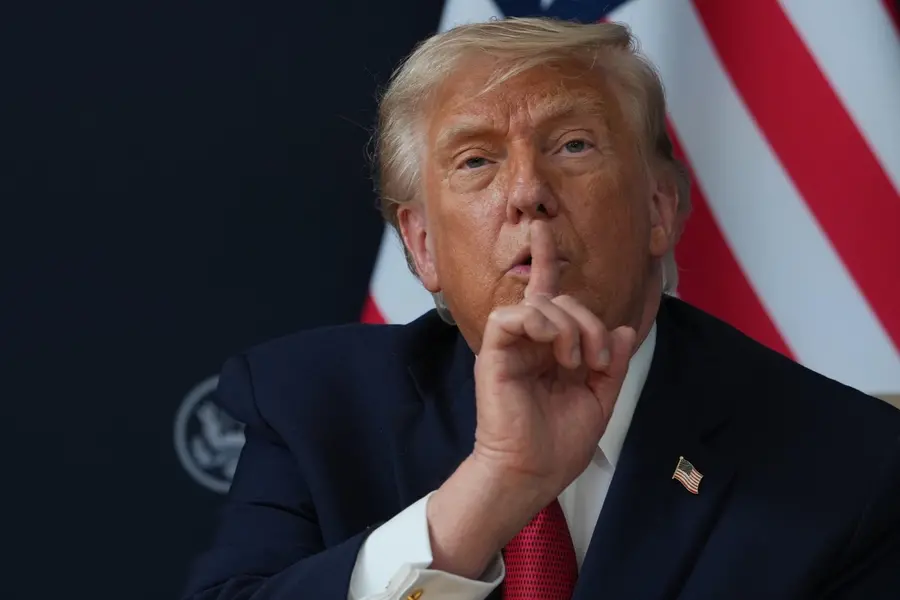
The US House of Representatives has passed the Lindsey O. Graham Sanctioning Russia and Iran Act of 2026, a wide-ranging sanctions package targeting Russia’s economy and energy sector. The legislation gives President Donald Trump authority to impose tariffs of up to 100% on goods from countries that continue buying Russian crude oil or natural gas, potentially affecting major purchasers including India and China.
However, the legislation does not create a blanket ban on all nuclear-related dealings with Russia. It retains exceptions covering certain civilian nuclear cooperation and low-enriched uranium imports under existing US laws.
Also Read

Nuclear carve-out in the sanctions bill
The bill directs the administration to enforce existing restrictions on Russian uranium, including material associated with Rosatom. At the same time, provisions exempt certain activities conducted under US-Russia civilian nuclear cooperation agreements and specified imports of low-enriched uranium used by nuclear reactors.
The exceptions mean the legislation treats nuclear fuel differently from Russian oil and gas. Existing US restrictions on Russian uranium imports also include a waiver mechanism extending until January 1, 2028.
Why Russian enrichment still matters to the US
US nuclear operators continue to rely on foreign enrichment services. According to the US Energy Information Administration, American civilian nuclear operators purchased 12.71 million separative work units (SWU) of enrichment services in 2025. Russia supplied 3.284 million SWU, representing about 26% of the total. The US supplied 23%, while France, the UK and the Netherlands also provided enrichment services.
The figures show why the nuclear provisions differ from the broader energy sanctions. Nuclear fuel requires uranium conversion and enrichment before it can be used in most commercial reactors, and replacing established enrichment capacity can take time.
What the bill means for India
India is among the major buyers of Russian energy and could therefore be affected by the legislation if the tariff authority is used against countries continuing to purchase Russian oil and gas. The bill itself provides the authority for tariffs of up to 100%; the actual application would depend on presidential action and the legislation’s implementation.
The nuclear provisions, meanwhile, concern US-Russia nuclear transactions and do not amount to a general exemption from sanctions for all Russian energy trade.
Bill’s wider Russia sanctions
The legislation also targets Russian officials, financial institutions and energy-shipping networks. The House approved the bill by 262 votes to 159 after the Senate had earlier approved it 86-11. It now goes to the president for consideration.
The legislation creates a distinction between two parts of the US-Russia energy relationship. Washington is seeking greater economic pressure on Russian oil and gas revenues while maintaining flexibility around nuclear fuel, where the US still has significant foreign-supply requirements.
The EIA's latest data shows that Russia remained the largest single foreign source of enrichment services purchased by US civilian nuclear operators in 2025, accounting for 26% of total SWU purchases. At the same time, the US has been expanding efforts to diversify its nuclear fuel supply chain.
The practical impact of the new sanctions will therefore depend on how the Trump administration uses the tariff authority and how quickly alternative nuclear-fuel capacity can replace Russian-linked supplies.
Published: 18 Sept 2026, 07:47 am IST
ABOUT THE AUTHOR
Related Topics
Disclaimer: Kindly avoid objectionable, derogatory, unlawful and lewd comments, while responding to reports. Such comments are punishable under cyber laws. Please keep away from personal attacks. The opinions expressed here are the personal opinions of readers and not that of Mathrubhumi.