
Washington continues its stringent naval blockade and fresh sanctions to cripple Iran’s oil revenues and military funding.
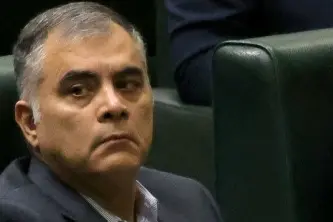
Tehran: Iranian Oil Minister Mohsen Paknejad has stepped down from his position, with the head of the National Iranian Oil Company stepping in to serve as interim minister as the United States continues to enforce a stringent naval blockade against Tehran's crude exports.
Iranian President Masoud Pezeshkian formally accepted the resignation and designated NIOC chief Hamid Bovard as acting oil minister, according to an official statement carried by state broadcaster IRIB.
In an interview aired on state television, a spokesperson for the Iranian presidential office clarified that Paknejad had previously tendered his resignation "due to personal issues", though his initial request to leave the cabinet was turned down.
Pezeshkian initially urged the minister to remain in his post, but ultimately sanctioned his departure after Paknejad held firm. Following his exit, the president "commended his efforts and sincere service".
The Strait of Hormuz has emerged as a central flashpoint in the ongoing Middle East conflict. Prior to military strikes launched by the United States and Israel against Iranian targets in late February, the critical shipping lane accommodated roughly 20 per cent of global crude oil and liquefied natural gas supplies.
After Tehran restricted merchant shipping traffic and opened fire on vessels deemed to have entered without authorisation, Washington retaliated by imposing a counterblockade on Iranian ports to halt all petroleum shipments.
The economic fallout from the American maritime restrictions had previously triggered extensive queues outside petrol stations throughout Tehran and other major Iranian cities.
Cutting off Iran's oil revenue remains a central goal of Washington's economic strategy. The US Treasury announced additional sanctions on Friday aimed at Iran's automotive and rail sectors under its "Operation Economic Outcast" framework.
US Treasury Secretary Scott Bessent noted that the new measures aim to further curtail Tehran's financial capability to fund its military campaign, emphasising that Washington is working to "drain the regime's revenue once and for all".
Bessent stated that American economic pressure continues to target Iran's remaining oil revenues, while US officials maintain that the naval blockade and sanctions are designed to restrict crude exports and access to foreign currency.
Meanwhile, US President Donald Trump observed on Saturday that global oil prices are dropping, claiming that Iran has "virtually given up" its ambitions to build a nuclear weapon as the conflict enters its eighth month.
The aggressive economic measures spearheaded by the Trump administration have placed Iran's energy sector at the core of the conflict, amplifying the impact of Paknejad's resignation as Tehran seeks to protect its essential petroleum earnings.
ANI
Published: 05 Oct 2026, 10:15 am IST
ABOUT THE AUTHOR

Related Topics
Disclaimer: Kindly avoid objectionable, derogatory, unlawful and lewd comments, while responding to reports. Such comments are punishable under cyber laws. Please keep away from personal attacks. The opinions expressed here are the personal opinions of readers and not that of Mathrubhumi.