
The US has paused strikes against Iran amid reports of weapons stockpile concerns, while hopes for renewed talks grow.
Tehran: Iran went through another night without US airstrikes on Sunday as Washington paused a war that is nearing its fifth month.
Reports suggested that concerns over dwindling supplies of key weapons, including Patriot air defence interceptors, may be limiting US plans for further escalation.
Also Read

The pause has raised hopes that Washington and Tehran could return to negotiations after nearly two weeks of consecutive overnight US bombardments.
The conflict, which initially centred on the strategically important Strait of Hormuz, has since widened to include attacks on US military bases, commercial shipping and Gulf allies.
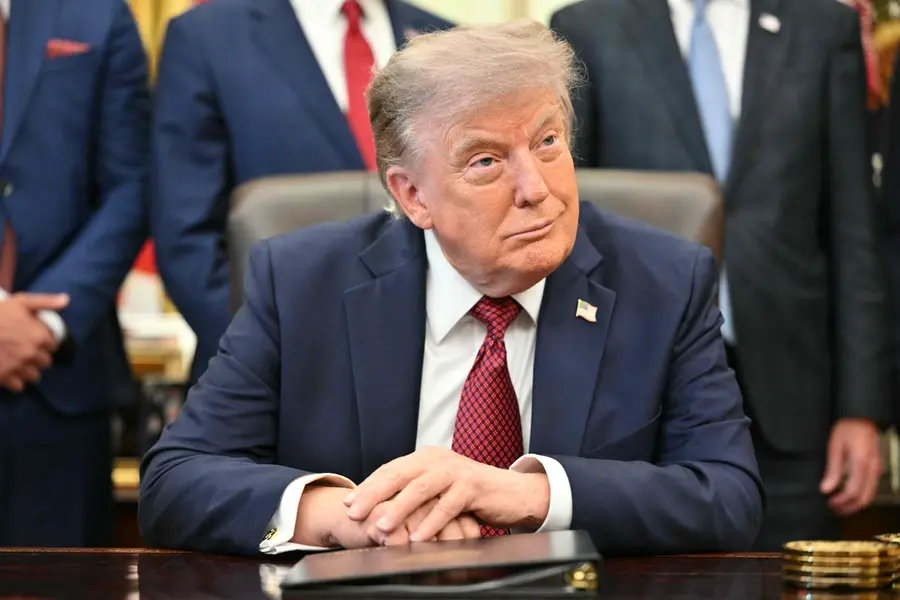
CNN, citing an unidentified Pentagon source, reported that US military operations against Iran were "on a hold". The development came after President Donald Trump warned Iran that it could face a "much higher level" of strikes on Friday.
Trump is also facing the risk of a wider conflict in the Middle East, strained relations with Gulf allies and further disruption to the global economy.
Vice President JD Vance and top US military commander General Dan Caine reportedly raised concerns about a further escalation during a White House meeting on Friday.
According to reports, Caine told Trump that the military could successfully carry out the available options but warned him about the potential consequences.
Trump leaves door open for further strikes
Trump said on Friday that he had not yet decided whether to resume a full-scale military operation against Iran.
"We're talking to them right now. I think they're getting more and more serious," he told reporters.
He said Iran had a choice between reaching a deal and facing strikes at a "much higher level".
The conflict has now continued for nearly five months, far longer than Trump's earlier prediction that it would last four or five weeks. The prolonged war is also affecting his approval ratings ahead of the crucial US midterm elections in November.
According to Axios, the Pentagon had presented Trump with a plan for a 14th consecutive night of strikes, but he declined to authorise the operation in favour of pursuing talks.
Conflict spreads to another front
Meanwhile, the fighting has expanded to another front in the region.
Yemen's Iran-backed Houthi rebels claimed they attacked Saudi Aramco facilities in Jizan and Yanbu on Saturday, a day after Saudi Arabia carried out strikes against Houthi targets.
The Greek Air Force media office said a surface-to-air defence system operated by Greek personnel in Saudi Arabia intercepted two ballistic missiles and a drone over Yanbu.
Iran's Revolutionary Guards also said they had stopped four ships attempting to pass through the Strait of Hormuz within a 24-hour period.
The waterway remains the main flashpoint between Washington and Tehran, with disruptions to shipping through the strategic corridor continuing to raise concerns over global energy supplies.
Iranian Foreign Minister Abbas Araghchi rejected blame for the escalation and offered to help facilitate talks between the Houthis and Saudi Arabia, saying "there is no military solution".
Published: 26 Jul 2026, 01:14 pm IST
Disclaimer: Kindly avoid objectionable, derogatory, unlawful and lewd comments, while responding to reports. Such comments are punishable under cyber laws. Please keep away from personal attacks. The opinions expressed here are the personal opinions of readers and not that of Mathrubhumi.