
Senior US and Iranian officials are set to hold direct nuclear talks in Oman as Washington increases its military presence in the Arabian Sea
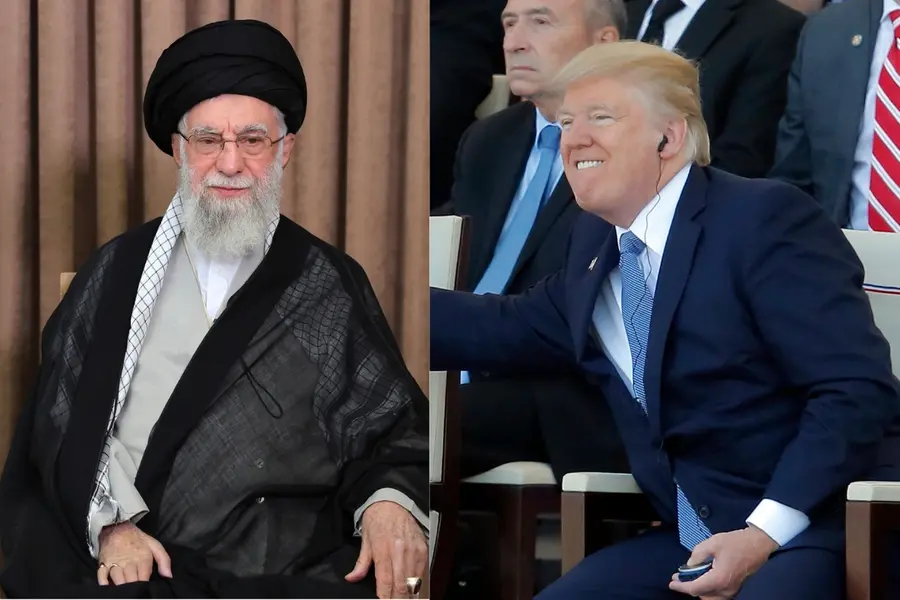
Oman: The United States and Iran are preparing for face-to-face negotiations in Muscat, Oman, in an attempt to ease mounting tensions over Tehran’s nuclear programme and wider regional issues. The talks come amid a fresh US military buildup in the Middle East and heightened rhetoric from both sides.
The diplomatic initiative nearly collapsed over disagreements regarding the format and venue of the discussions. However, regional intermediaries intervened to keep communication channels open, allowing both delegations to proceed with the planned meeting.
Also Read

The negotiations follow Iran’s recent crackdown on nationwide anti-government protests. Human rights groups have alleged that thousands were killed during the unrest. While Washington has expressed concern over Tehran’s actions, Iranian authorities have dismissed the criticism as interference in domestic affairs.
The United States is seeking a broader agreement that goes beyond nuclear activity. American officials have called for Iran to dismantle its enriched uranium reserves, curb its ballistic missile programme, reduce support for armed groups in the region and address alleged human rights violations. Iran has insisted that discussions remain limited strictly to nuclear-related matters.
Iran’s Foreign Minister Abbas Araghchi is leading Tehran’s delegation. He is expected to meet US representatives including President Donald Trump’s special envoy Steve Witkoff. The differences in expectations highlight the fragile nature of the talks.
Meanwhile, military activity in the region has intensified. US Central Command confirmed that the USS Abraham Lincoln and its strike group are conducting operations in the Arabian Sea. Earlier this week, US fighter jets shot down an Iranian drone near the aircraft carrier. President Trump has previously described the American deployment as an “armada” and reiterated that Iran must achieve “zero nuclear capability”.
White House press secretary Karoline Leavitt stated that President Trump prefers a diplomatic resolution but retains multiple options if negotiations fail. Iran has warned it would retaliate against US forces and Israel if attacked.
Adding to the tension, the US Embassy in Iran has issued a security alert advising American citizens to leave the country immediately. The advisory cited expanding communications blackouts, transport disruptions and the risk of detention. The embassy urged US nationals to consider departing by land to Armenia or Türkiye if it is safe to do so, and warned that Washington cannot provide direct consular assistance, with Switzerland acting as the protecting power.
The outcome of the Oman talks remains uncertain. Regional allies have encouraged engagement, but US officials have expressed scepticism about the prospects for success. The negotiations represent a critical test of whether diplomacy can prevent further escalation in an already volatile region.
Published: 06 Feb 2026, 10:33 am IST
Related Topics
Disclaimer: Kindly avoid objectionable, derogatory, unlawful and lewd comments, while responding to reports. Such comments are punishable under cyber laws. Please keep away from personal attacks. The opinions expressed here are the personal opinions of readers and not that of Mathrubhumi.