
A reported 14-point framework between the US and Iran could unlock frozen assets, ease sanctions and reopen the Strait of Hormuz.
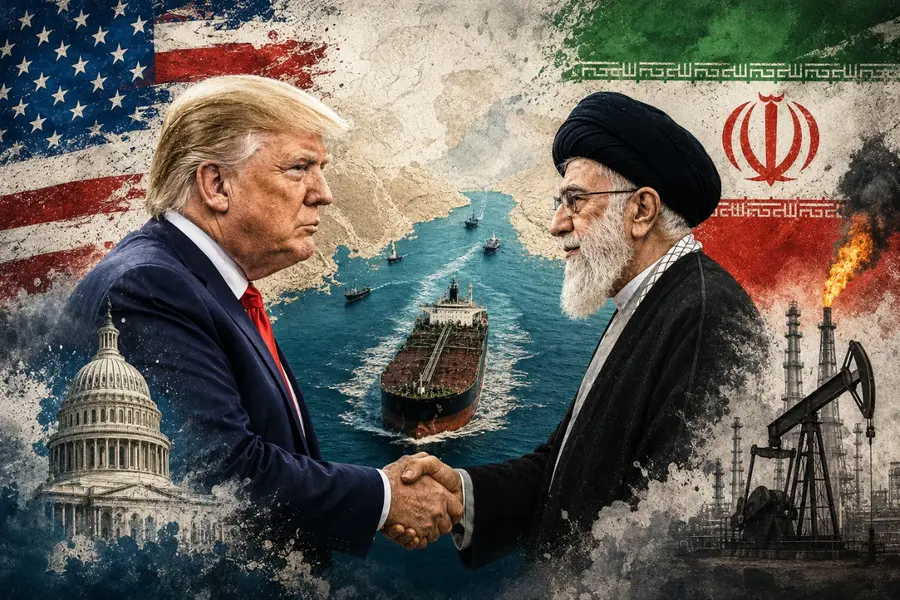
A reported 14-point peace framework between the United States and Iran has sparked global attention, raising hopes of an end to one of the most dangerous confrontations in the Middle East in recent years. The reported agreement, first published by Iran's state-affiliated Mehr News agency, emerged after US President Donald Trump and Pakistani Prime Minister Shehbaz Sharif announced that a framework had been reached to end the conflict and open the door to broader negotiations.
The reported deal comes after months of military tensions, attacks on energy infrastructure, concerns over Iran's nuclear programme and disruptions to shipping through the strategically vital Strait of Hormuz. Roughly a fifth of the world's oil supply passes through the narrow waterway, making any disruption a major concern for global energy markets. The conflict had contributed to rising oil prices, fears of a wider regional war and uncertainty across international markets.
Also Read

According to the reported draft, the agreement would begin with an immediate and permanent cessation of military operations. The United States would reportedly lift its naval blockade of Iran, withdraw forces positioned around the country and support the reopening of the Strait of Hormuz within 30 days. Such a move would restore one of the world's most important shipping routes and could help stabilise global oil supplies.
What are the 14 reported points?
1. Immediate ceasefire
All military operations would end immediately across all fronts linked to the conflict.
2. End to hostilities involving Lebanon
The ceasefire would also cover conflict areas connected to Lebanon.
3. Respect for Iran's sovereignty
The United States would reportedly commit to respecting Iran's independence and internal governance.
4. No interference in domestic affairs
Washington would refrain from actions viewed as interference in Iran's internal matters.
5. Naval blockade lifted within 30 days
US restrictions on maritime access would reportedly be removed.
6. Withdrawal of surrounding military forces
American forces deployed around Iran would be reduced or withdrawn.
7. Reopening of the Strait of Hormuz
Commercial shipping would resume through the crucial waterway within a month.
8. Launch of a 60-day negotiation period
Both countries would begin intensive talks aimed at reaching a wider and more permanent agreement.
9. Release of $24 billion in frozen Iranian assets
Iran would gain access to billions of dollars currently held abroad, with approximately half released before formal negotiations begin.
10. Suspension of oil and petrochemical sanctions
Restrictions affecting Iranian crude oil and petrochemical exports would be eased.
11. Economic reconstruction plans worth at least $300 billion
The US and its partners would reportedly support long-term investment and reconstruction projects in Iran.
12. Nuclear negotiations to continue
Future discussions would focus on uranium enrichment, nuclear activities and sanctions relief.
13. No new sanctions or military deployments during talks
The United States would reportedly avoid introducing fresh sanctions or deploying additional forces while negotiations continue.
14. Iran reaffirms non-nuclear weapons commitment
Iran would maintain its commitment under the Treaty on the Non-Proliferation of Nuclear Weapons not to pursue nuclear weapons.
What is not included?
One of the most striking elements of the reported framework is what it leaves out. According to the published details, Iran's ballistic missile programme and its support for regional allied groups would not be part of the negotiations. Instead, discussions would focus narrowly on nuclear activities, sanctions relief and economic recovery.
Why the deal matters
The proposed agreement could have major consequences far beyond Iran and the United States. Access to $24 billion in frozen assets would provide a significant boost to Iran's economy, while the easing of oil sanctions could return substantial volumes of Iranian crude to global markets. This prospect has already influenced energy traders, with oil prices falling on expectations of improved supply.
For the United States, the framework could reduce tensions in a strategically important region, lower risks to international shipping and create a pathway for renewed diplomatic engagement after years of hostility.
Questions still remain
Despite the optimism surrounding the reported framework, several critical issues remain unresolved. American and Iranian officials have offered differing views on the future of Iran's nuclear programme. While some US officials have suggested that negotiations could eventually lead to dismantling parts of Iran's nuclear infrastructure, Iranian leaders have indicated they expect to retain control over their enriched uranium stockpiles.
Most importantly, neither Washington nor Tehran has officially released or confirmed the reported 14-point document. Until an official text is published, the framework remains an unverified draft that may serve as the starting point for negotiations rather than a final peace agreement.
Published: 15 Jun 2026, 07:16 am IST
Related Topics
Disclaimer: Kindly avoid objectionable, derogatory, unlawful and lewd comments, while responding to reports. Such comments are punishable under cyber laws. Please keep away from personal attacks. The opinions expressed here are the personal opinions of readers and not that of Mathrubhumi.