
Donald Trump says a US-Iran peace deal will be signed Sunday and the Strait of Hormuz will reopen immediately. Iran says the agreement is unlikely to be signed on Sunday and may take several more days.
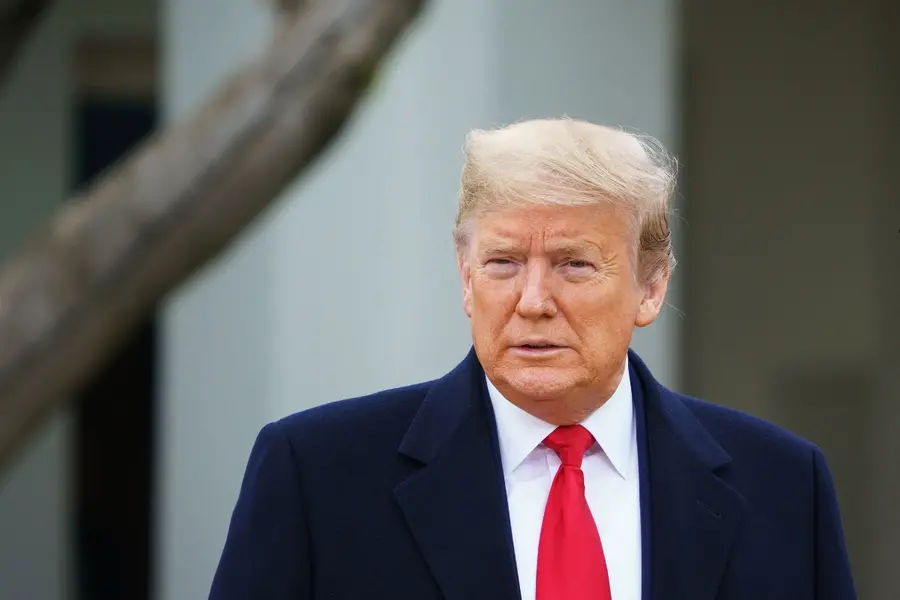
Washington: US President Donald Trump said on Saturday that a long-awaited agreement aimed at ending the conflict with Iran is scheduled to be signed on Sunday and would lead to the immediate reopening of the strategically vital Strait of Hormuz.
However, Iranian officials offered a more cautious assessment, saying no signing is expected on Sunday and that any agreement could instead be finalised in the coming days.
The contrasting statements came as diplomatic efforts gathered pace following weeks of negotiations and months of tensions that have disrupted energy markets and maritime trade in the Gulf region.
Trump announced the expected breakthrough in a post on Truth Social, expressing confidence that an accord was imminent despite previous delays and setbacks in the talks.
Conflicting timelines emerge
"The Deal is scheduled to get signed tomorrow, and immediately after it is signed, the Hormuz Strait is OPEN TO ALL," Trump wrote.
The US president's remarks contrasted with comments from Iranian Foreign Ministry spokesperson Esmail Baghaei, who said Tehran was not expecting the agreement to be signed on Sunday.
According to Iran's state broadcaster IRIB, Baghaei said officials were still awaiting clarity on the timing of the signing and warned against assuming an immediate breakthrough.
"We must wait for the exact timing of the agreement's signing. It will not happen tomorrow, but it could take place in the coming days. Due to the other side's inconsistency, we must remain cautious in commenting on the process," IRIB quoted the Baghaei as saying on Saturday.
Earlier in the day, Iranian Foreign Ministry spokesman Esmaeil Baqaei similarly indicated that while a deal remained possible, its conclusion was not expected immediately.
"The possibility of this happening in the coming days cannot be ruled out," he said.
Pakistan signals deal is close
Pakistan, which has played a key mediating role during the negotiations, expressed optimism that the process was nearing completion.
Prime Minister Shehbaz Sharif said the two sides were closer than ever to reaching an agreement.
"With finalisation likely expected in the next 24 hours, Pakistan is preparing for the electronic signing of the peace deal immediately after, followed by technical level talks next week," Sharif said.
Pakistan's foreign ministry also indicated that a signing ceremony was expected on Sunday, adding to expectations that an announcement could be imminent despite Iran's reservations over the timeline.
Strait of Hormuz remains major sticking point
One of the central issues in the negotiations has been the future status of the Strait of Hormuz, a crucial shipping route through which a significant share of the world's oil and gas exports passes.
Iran imposed restrictions on the waterway earlier in the conflict, requiring vessels to obtain approval from its armed forces before passage and creating a new authority to supervise transit and collect fees.
Tehran has repeatedly maintained that it intends to retain oversight of the strait even after any peace agreement.
Meanwhile, the United States has imposed restrictions on Iranian ports in response.
Tensions in the waterway persisted on Saturday despite diplomatic progress.
US Central Command said Iranian forces launched several one-way attack drones targeting commercial shipping in the strait.
According to the military, American forces intercepted and destroyed all of the drones before they could reach their targets.
Iranian Foreign Minister Abbas Araghchi said on Friday that any proposed agreement would include the removal of the US naval blockade. He also suggested that the administration of the Strait of Hormuz would change from its pre-war arrangement, describing the route as one of Iran's key deterrent tools.
Trump's latest statement made no reference to Iranian toll collection or any future governance structure for the waterway.
Dispute over Iran's uranium stockpile
The fate of Iran's nuclear programme remains another major point of contention.
Particular attention has focused on Tehran's stockpile of highly enriched uranium, much of which is believed to be buried deep underground following US military strikes during last year's conflict.
Iran has consistently maintained that its nuclear programme is intended for peaceful purposes and insists it has the right to enrich uranium. The United States, Israel and several Western governments have long argued that the programme could be used to develop nuclear weapons.
Araghchi said the only acceptable solution would involve diluting the enriched uranium within Iran itself.
Trump, however, reiterated that the material would ultimately be removed and destroyed.
"Barack Hussein Obama's Deal with Iran, the JCPOA, was an easy, beautiful, smooth road to a Nuclear Weapon, which Iran would have had six years ago, and would have used long before now. My Agreement with Iran is the exact opposite, A WALL TO NO NUCLEAR WEAPON! In fact, they no longer want a Nuclear Weapon, nor will they have one, either through purchase, development, or any other form of procurement. The Deal is scheduled to get signed tomorrow, and immediately after it is signed, the Hormuz Strait is OPEN TO ALL," Trump said.
He also emphasised that no financial transfers would accompany the agreement.
"Our relationship with Iran is a much different and better one than previous Administrations have had. Unlike Obama's Hundreds of Billions of Dollars in payments to them, including 1.7 Billion Dollars in green, cold cash, no money will exchange hands. At the appropriate time, when all is calm, we will go in and get the Nuclear Dust, buried deep under the powerful sunken granite mountains, thanks to our beautiful B-2 Bombers and their brilliant pilots, and downblend and destroy it, whether in Iran, or the United States," the US president said.
In a separate post, Trump added: "When all is calm, we will go in and get the Nuclear Dust... and downblend and destroy it, whether in Iran, or the United States".
"Hopefully, this process will all work out quickly, easily, and smoothly," he added. "If it doesn't, we have the ultimate alternative, hopefully never to be used again!"
Israel and sceptics await outcome
Israeli Prime Minister Benjamin Netanyahu said Trump had assured him that any agreement would require the removal of Iran's enriched uranium stockpile.
Despite the optimism expressed by mediators and world leaders, scepticism remains visible inside Iran.
In Tehran, some residents questioned whether the negotiations would ultimately succeed.
"I don't think there is any deal soon," said Saeed Sadeghi, 49. "I don't trust their word."
Fars news agency also published footage from the northeastern city of Mashhad showing demonstrators protesting outside a foreign ministry building. Protesters criticised the proposed agreement and chanted slogans against Araghchi while carrying red and black flags.
(With inputs from agencies)
Published: 14 Jun 2026, 06:27 am IST
Related Topics
Disclaimer: Kindly avoid objectionable, derogatory, unlawful and lewd comments, while responding to reports. Such comments are punishable under cyber laws. Please keep away from personal attacks. The opinions expressed here are the personal opinions of readers and not that of Mathrubhumi.
