
The United States’ airstrikes on Iranian nuclear facilities early Sunday have triggered sharp global reactions
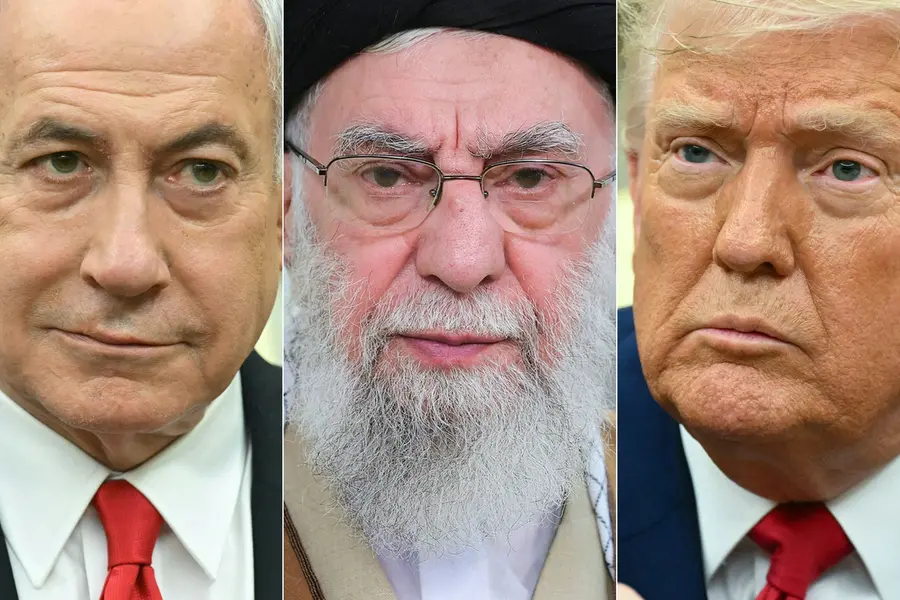
Tehran: The United States’ airstrikes on Iranian nuclear facilities early Sunday have triggered urgent responses from global powers, many warning of dangerous consequences and the potential for a broader regional war.
The strikes, which marked Washington’s first direct military involvement in Israel’s ongoing campaign against Tehran, came days after US President Donald Trump said he would decide “within two weeks” on potential military action. On Sunday, he called the operation a “spectacular success.”
Iran, however, strongly condemned the move. Foreign Minister Abbas Araghchi described the attacks as “outrageous,” “lawless,” and warned of “everlasting consequences.” “In accordance with the UN Charter... Iran reserves all options to defend its sovereignty,” he said. Iran’s Atomic Energy Organization labelled the strikes a “barbaric act” and vowed to continue its nuclear development, calling it a “national industry built with the blood of nuclear martyrs.”
China responded through state media, with CGTN calling the strikes “a dangerous turning point.” The commentary compared the attack to past US interventions in the Middle East, such as the Iraq War, and urged a diplomatic approach. “Military actions often lead to prolonged instability,” it warned.
Pakistan issued a strong condemnation, stating it was “gravely concerned” and that the strikes “violate all norms of international law.” This comes just a day after Islamabad had publicly endorsed Donald Trump’s candidacy for the Nobel Peace Prize.
The United Nations joined the chorus of concern, with Secretary-General António Guterres calling the development “gravely alarming.” “There is a growing risk that this conflict could rapidly get out of control – with catastrophic consequences,” he said. Guterres reaffirmed that “there is no military solution” and urged a return to diplomacy.
Israel, in contrast, praised the strike. Prime Minister Benjamin Netanyahu called Trump’s decision “bold” and said the attack would “reshape the future of the Middle East.” He hailed it as a fulfilment of Israel’s long-standing promise to halt Iran’s nuclear ambitions.
Hamas condemned the airstrikes as “a blatant US aggression” and “a flagrant violation of international law,” calling it a dangerous escalation.
Saudi Arabia expressed “great concern” over the developments via a post on its official English X (formerly Twitter) account, noting the seriousness of targeting Iran’s nuclear infrastructure.
The United Kingdom’s Prime Minister Keir Starmer reiterated that Iran must not be allowed to develop nuclear weapons but called for diplomatic resolution. “We call on Iran to return to the negotiating table and reach a diplomatic solution to end this crisis,” he said on X.
US Democrats strongly criticised President Trump, calling the strikes unconstitutional and reckless. Congressman Hakeem Jeffries said Trump “failed to seek congressional authorisation” and warned of “potentially disastrous” consequences. “Trump shoulders complete and total responsibility,” he added.
New Zealand’s Foreign Minister Winston Peters called the crisis the most serious he has ever faced and urged diplomacy. “Further escalation must be avoided,” he told reporters.
Japan convened an emergency cabinet meeting and distributed extra newspaper editions in Tokyo, signalling the seriousness of the development.
South Korea also announced an emergency meeting to assess the strike’s security and economic impacts.
Australia, which had evacuated staff from its Tehran embassy prior to the strikes, reiterated its position for diplomatic solutions. “The security situation in the region is highly volatile,” a government spokesperson said.
As international pressure builds for a diplomatic path forward, fears remain that the US strikes may have opened a dangerous new chapter in the Middle East crisis, with uncertain and far-reaching consequences.
Published: 22 Jun 2025, 03:14 pm IST
Disclaimer: Kindly avoid objectionable, derogatory, unlawful and lewd comments, while responding to reports. Such comments are punishable under cyber laws. Please keep away from personal attacks. The opinions expressed here are the personal opinions of readers and not that of Mathrubhumi.
