
Trump has rejected reports of dwindling US munitions, saying the country has “far more munitions than we need” amid the Iran conflict.
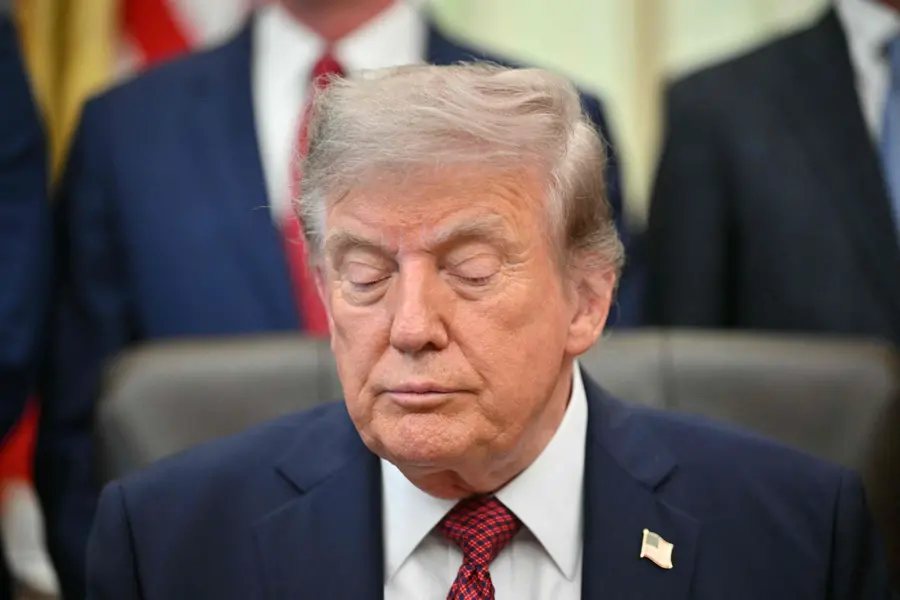
Washington, DC: US President Donald Trump has rejected reports that dwindling military stockpiles are limiting the country's ability to continue military operations against Iran, insisting that the US has sufficient ammunition and defence systems.
Responding to concerns over shortages of missile interceptors, Trump told The Wall Street Journal, "we have far more munitions than anyone in the world, and far more than we need."
Also Read

His comments came after multiple reports noted that senior US military officials had raised concerns about declining stocks of Patriot and other air defence interceptors amid discussions over a possible escalation of the conflict.
According to officials cited by The Wall Street Journal, US Central Command chief Adm. Brad Cooper believes American forces can manage the current inventory constraints. The strategy reportedly involves expanding US strikes, subject to Trump's approval, to weaken Iran's ability to launch large-scale missile attacks.
Pentagon warns of interceptor stockpile pressure
US officials have declined to release updated figures on Patriot and THAAD missile use since the conflict began, citing national security concerns.
However, updated estimates by Centre for Strategic and International Studies analysts Mark Cancian and Chris Park suggest that at least 1,500 Patriot interceptors have been used since the start of the conflict, leaving fewer than 1,000 in US stockpiles.
In an earlier analysis, the two analysts warned that reduced munitions stockpiles posed a near-term risk, noting that a future conflict with a major military power such as China could consume weapons at a much faster rate.
White House Press Secretary Karoline Leavitt and Pentagon spokesman Sean Parnell have maintained that the US military has the resources needed to carry out any mission ordered by the President.
Iran adapts missile tactics
Concerns over air defence supplies have grown as Iran continues to adjust its missile tactics, according to US officials. Iranian forces have reportedly varied missile flight paths, speeds and manoeuvres to try to evade US and allied defence systems, increasing the demand for interceptors.
The threat was underscored last week when three Iranian ballistic missiles struck a base in Jordan, killing three US service members after one missile hit a housing area.
Secretary of State Marco Rubio said most of the missiles targeting the facility were intercepted.
The Pentagon has also reportedly raised concerns about the impact of the conflict on US allies in the Gulf, some of which have also used significant portions of their own air defence interceptor stocks.
Trump holds off on wider Iran offensive
The comments come after reports that Trump decided to delay plans for a major military escalation against Iran.
According to senior military leaders, a wider campaign could rapidly deplete Patriot interceptors and other defensive weapons deployed across the region. Such shortages could leave US troops, Gulf allies and key military installations more vulnerable to retaliatory attacks.
General Dan Caine, Chairman of the US Joint Chiefs of Staff, reportedly told Trump that large-scale military operations against Iran remained feasible but could place significant pressure on interceptor supplies under US Central Command.
The reported concerns also included the potential for wider economic disruption and an escalation of regional instability.
Meanwhile, Iran experienced a brief pause in overnight bombardments following nearly two weeks of intense military action. The lull came after 13 consecutive nights of US strikes, marking a temporary interruption in the conflict.
(With ANI inputs)
Published: 27 Jul 2026, 08:58 am IST
Related Topics
Disclaimer: Kindly avoid objectionable, derogatory, unlawful and lewd comments, while responding to reports. Such comments are punishable under cyber laws. Please keep away from personal attacks. The opinions expressed here are the personal opinions of readers and not that of Mathrubhumi.