
The United Arab Emirates said its air defences intercepted missiles and drones on Friday as tensions linked to the Iran war escalated again despite an ongoing ceasefire.
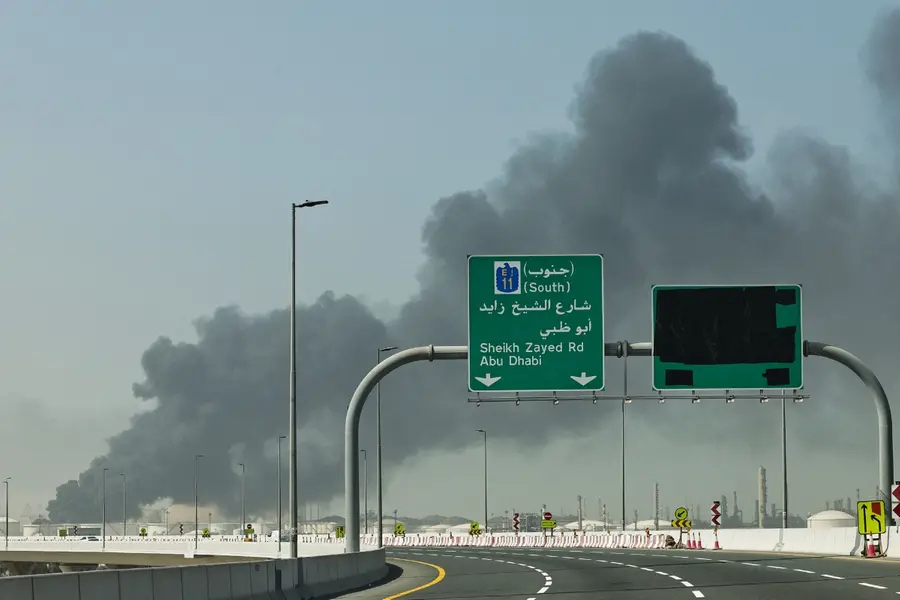
Dubai: The United Arab Emirates on Friday reported fresh missile and drone attacks as the fragile ceasefire linked to the ongoing Iran conflict came under renewed pressure.
The UAE Ministry of Defence said the country’s air defence systems were “actively engaging” incoming missiles and drones, with interception sounds reported across different parts of the country.
Residents were advised not to approach or photograph debris resulting from successful interceptions.
What happened in the UAE?
According to the UAE Defence Ministry, missiles and drones believed to have originated from Iran were intercepted early Friday morning.
Authorities warned residents to avoid touching any fragments or debris that may have fallen after the interceptions.
The latest developments came only hours after the US military confirmed that it had intercepted Iranian attacks targeting three American destroyers in the Strait of Hormuz.
Why is the ceasefire under pressure?
The violence has raised fears that the already fragile ceasefire in effect since April 8 could collapse entirely.
The truce had temporarily reduced tensions after weeks of US-Israeli strikes on Iran and retaliatory attacks across West Asia.
The conflict has also disrupted shipping movement through the Strait of Hormuz, one of the world’s most important oil transit routes.
Despite the renewed exchanges, Donald Trump described the latest attacks as “a trifle” and insisted the ceasefire remained active.
Trump also said negotiations between Washington and Tehran were continuing.
The Strait of Hormuz is a critical global energy chokepoint through which nearly one-fifth of the world’s oil and gas supplies pass.
The ongoing tensions and shipping disruptions have triggered concerns about energy security, rising oil prices and broader economic instability worldwide.
The US military said no American ships were hit in the latest attacks and stated that it did not seek escalation but remained prepared to protect American forces in the region.
ASEAN leaders discuss energy concerns
The conflict also dominated discussions among leaders of the Association of Southeast Asian Nations during a summit in the Philippines.
Leaders expressed concerns over the impact of the crisis on energy and food security, especially for oil-import dependent economies in Southeast Asia.
Philippine President Ferdinand Marcos Jr. urged ASEAN nations to strengthen coordination and preparedness amid growing global volatility.
With missile interceptions continuing and tensions remaining high across the Gulf region, concerns are growing that the ceasefire may not hold for long.
Analysts warn that any further escalation involving Iran, the US or regional allies could deepen instability in West Asia and further disrupt global energy markets.
Published: 08 May 2026, 10:01 am IST
Related Topics
Disclaimer: Kindly avoid objectionable, derogatory, unlawful and lewd comments, while responding to reports. Such comments are punishable under cyber laws. Please keep away from personal attacks. The opinions expressed here are the personal opinions of readers and not that of Mathrubhumi.
