
Tensions in West Asia escalated further as Iran mocked US military strategy, rejected a US-backed UN resolution on the Strait of Hormuz crisis, and warned against foreign intervention while diplomatic efforts to end the conflict continued behind the scenes.
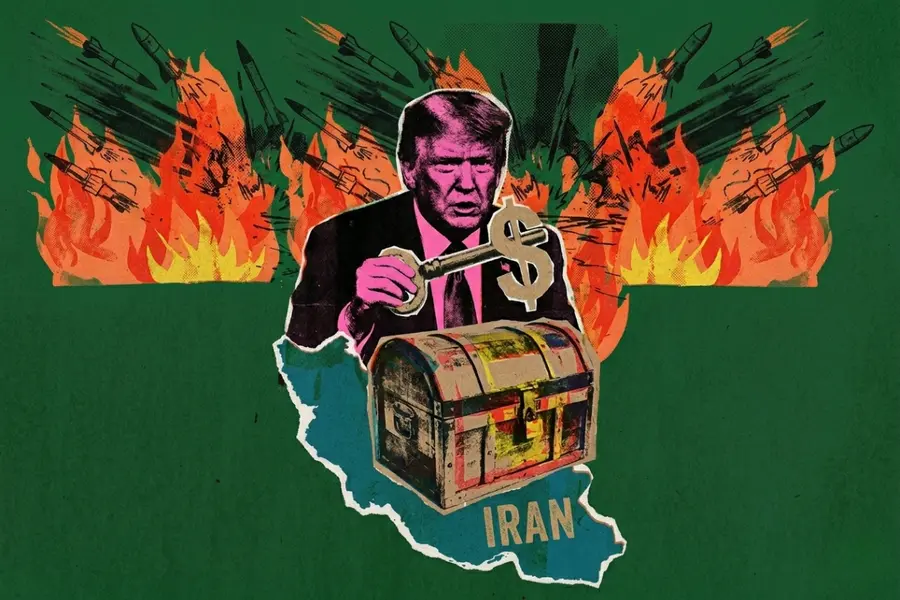
Tehran: The US-Israel-Iran conflict entered a critical phase on Wednesday as Iran sharply criticised Washington’s latest diplomatic and military moves while indirect talks between Tehran and the United States continued through regional mediators.
Iran’s Parliament Speaker Mohammad Bagher Ghalibaf mocked recent US military signalling by calling it “Operation trust me bro”, claiming Washington’s strategy to pressure Tehran had failed.
Also Read

The comments came as the Strait of Hormuz crisis deepened after Iran rejected a US-backed draft resolution at the United Nations Security Council (UNSC). Tehran described the proposal as “flawed” and “politically motivated”, arguing that it would not resolve the conflict in West Asia.
Iran said the only way to reduce tensions was to end the war, lift restrictions on Iranian maritime activity and restore normal movement through the Strait of Hormuz, one of the world’s most critical oil shipping routes.
The proposed resolution, backed by the United States and Gulf allies including Saudi Arabia, Bahrain, the UAE, Kuwait and Qatar, focused on protecting freedom of navigation in the Strait of Hormuz. Washington has accused Iran of threatening commercial shipping and destabilising maritime security in the region.
Despite the sharp rhetoric, diplomatic engagement appeared to continue. US President Donald Trump said Washington had held “very good talks” with Tehran and claimed a deal could still be reached quickly.
Iran’s Foreign Ministry, however, said it was still reviewing the latest US proposal and would convey its response through mediator Pakistan after finalising its position.
At the same time, reports suggested that Trump had paused “Project Freedom”, a proposed naval escort mission in the Strait of Hormuz, after Saudi Arabia reportedly refused permission for US aircraft to use Prince Sultan Airbase or Saudi airspace for the operation.
The conflict has also intensified concerns over regional security and global trade. Reports of missile attacks, drone strikes and shipping disruptions have increased fears of a wider Gulf conflict, while rising oil prices and shipping costs continue to impact global markets.
Meanwhile, a coalition of 13 countries, including Pakistan, Turkiye, Indonesia, South Africa and Spain, condemned Israel’s interception of activists involved in the Global Sumud Flotilla attempting to deliver aid to Gaza. The countries described the incident as a violation of international law and called for the immediate release of detained activists.
As military tensions and diplomatic negotiations unfold simultaneously, uncertainty continues to hang over West Asia, with the Strait of Hormuz remaining at the centre of the geopolitical crisis.
Published: 07 May 2026, 12:36 pm IST
Disclaimer: Kindly avoid objectionable, derogatory, unlawful and lewd comments, while responding to reports. Such comments are punishable under cyber laws. Please keep away from personal attacks. The opinions expressed here are the personal opinions of readers and not that of Mathrubhumi.