
The statement came as the US military began enforcing a blockade on all Iranian ports starting Monday, in a bid to pressure Iran into reopening the strategically critical Strait of Hormuz
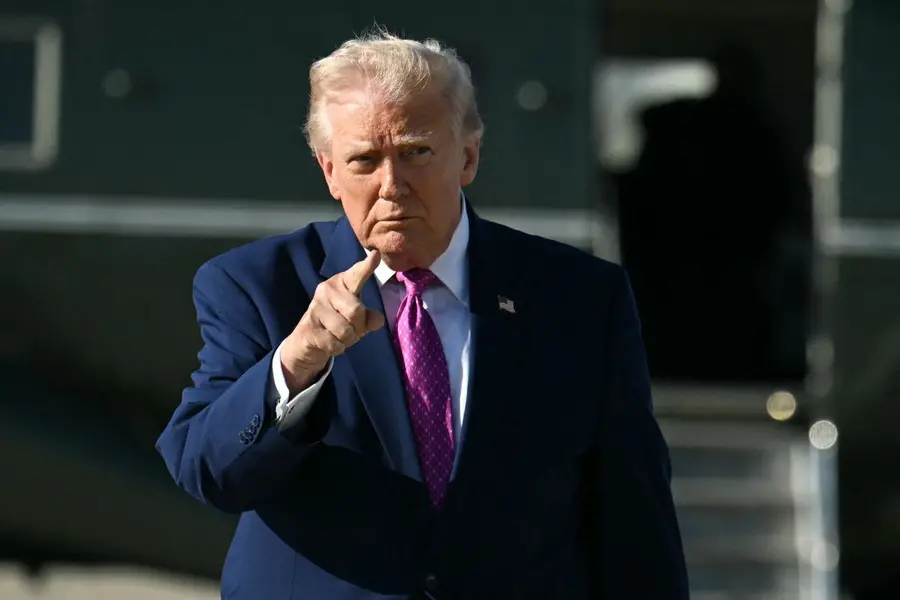
Washington: As the United States moved to enforce a naval blockade on Iranian ports on Monday, President Donald Trump warned Tehran against any attempt to interfere with the operation.
“Iran’s Navy is laying at the bottom of the sea, completely obliterated - 158 ships. What we have not hit are their small number of, what they call, “fast attack ships,” because we did not consider them much of a threat. Warning: If any of these ships come anywhere close to our BLOCKADE, they will be immediately ELIMINATED, using the same system of kill that we use against the drug dealers on boats at Sea. It is quick and brutal. P.S. 98.2% of Drugs coming into the U.S. by Ocean or Sea have STOPPED! Thank you for your attention to this matter,” Trump wrote on Truth Social.
The statement came as the United States military began enforcing a blockade on all Iranian ports starting Monday, in a bid to pressure Iran into reopening the strategically critical Strait of Hormuz and agreeing to a broader peace deal.
Tehran responded sharply, warning that no port in the region would remain safe if the blockade continues. Iranian authorities signalled potential retaliation targeting ports across the Persian Gulf and the Gulf of Oman, particularly those linked to US allies.
Also read | NATO allies reject Trump’s Strait of Hormuz blockade plan
Meanwhile, it was not clear if the blockade had started when the designated time of 10 a.m. EDT (2 p.m. GMT) arrived. Minutes earlier, a notice to mariners issued by the United Kingdom Maritime Trade Operations agency, which monitors maritime security, said the restrictions included “the entirety of the Iranian coastline, including ports and energy infrastructure.”
The notice added that transit through the strait “to or from non-Iranian destinations is not reported to be impeded by these measures,” but it added that ships “may encounter military presence” in the strait.
Also read | Why did Iran use a ‘mathematical formula’ to warn the US over Hormuz? What does it mean?
Iran’s effective closure of the strait, through which 20% of traded oil passes in peacetime, has sent oil prices skyrocketing, pushing up the cost of gasoline, food and other basic goods far beyond the Middle East. Tehran has allowed some ships perceived as friendly to pass while charging considerable fees, leading to accusations it is holding the global economy hostage.
Some analysts are doubtful that the U.S. can restore normal shipping through force alone — and it’s not clear how a blockade would work or what the dangers might be to U.S. forces.
Published: 13 Apr 2026, 08:12 pm IST
Related Topics
Disclaimer: Kindly avoid objectionable, derogatory, unlawful and lewd comments, while responding to reports. Such comments are punishable under cyber laws. Please keep away from personal attacks. The opinions expressed here are the personal opinions of readers and not that of Mathrubhumi.
