
Iran’s plan proposed lifting the US blockade and easing oil sanctions, with Hormuz reopening on day six and nuclear talks restarting on day seven.
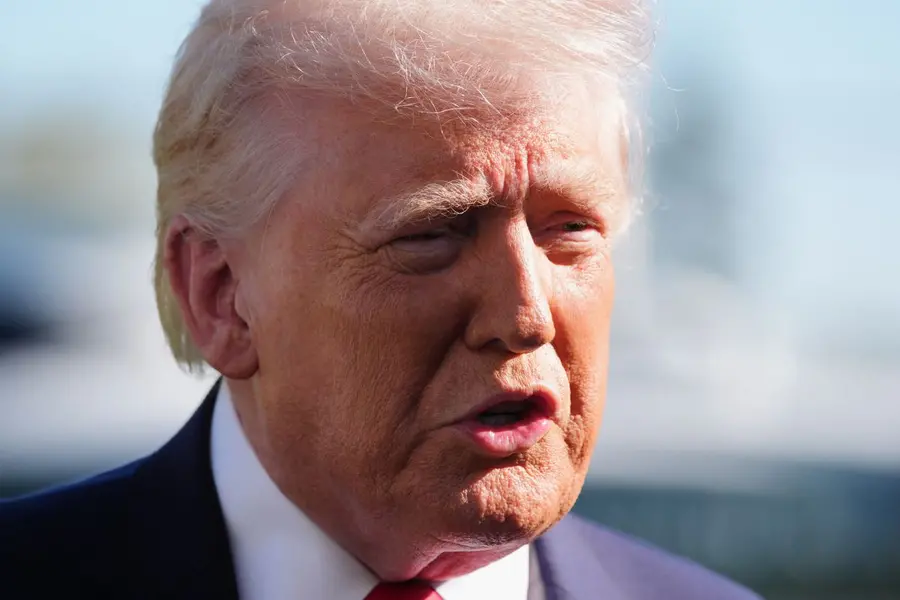
Washington/New York: US President Donald Trump has rejected Iran’s proposal for a seven-day ceasefire aimed at reopening the Strait of Hormuz and restarting negotiations over Tehran’s nuclear programme, The Wall Street Journal reported, citing US officials.
The report said Trump has told aides he expects US bombing of Iran to resume after the November midterm elections. The officials said Trump remains sceptical that Tehran would meet his demands, although his position could change as the conflict and diplomatic efforts evolve.
Also Read

The reported development came hours after Iranian Foreign Minister Abbas Araghchi said Tehran had conveyed a seven-day plan to Washington through Qatar.
What is Iran’s seven-day proposal?
Araghchi said the plan would seek to restore normal maritime traffic through the Strait of Hormuz within seven days if the necessary conditions were met.
Under the proposal, the United States would lift its naval blockade of Iranian ports, ease or waive sanctions affecting Iranian oil exports and observe a ceasefire covering the conflict, including Lebanon.
Iran would then reopen the Strait of Hormuz, while negotiations with Washington on its nuclear programme would resume. Araghchi said the initial US measures would take four to five days, the strait would reopen on the sixth day and talks on a long-term agreement would begin on the seventh day.
The proposal was conveyed through Qatar, which has been mediating between Iran and the United States. Araghchi said the measures expected from Washington were already covered by a memorandum of understanding reached between the two sides in June.
Iranian President Masoud Pezeshkian also said Tehran was ready to move forward on the basis of the earlier understanding if the United States agreed to the proposed framework.
US resists lifting blockade
According to the Wall Street Journal report, the Trump administration has told Iran and regional mediators that the president does not intend to lift the maritime blockade.
US officials said Washington believes sustained economic pressure could push Tehran towards an agreement on terms more favourable to the United States and its Gulf allies. At the same time, a US official said indirect discussions with Iran were continuing through mediators, including on the nuclear issue.
The White House has said US officials are engaged in positive and constructive discussions with mediators over the conflict and that Washington is facilitating oil exports through the Strait of Hormuz.
Also read | Iran threatens to expand war to Indian Ocean if US attacks again: Why this matters for India
Trump’s post-election Iran position
Trump has publicly said he expects Iran to seek a deal after the November midterm elections and has insisted that Tehran must not be allowed to acquire a nuclear weapon.
In his September 22 address to the UN General Assembly, Trump said he faced a choice between reaching a deal with Iran and taking much more severe military action.
The Wall Street Journal report said Trump is nevertheless reluctant to restart major combat operations immediately, with US officials citing concerns including the need to conserve dwindling munitions for other potential contingencies.
Why the Strait of Hormuz matters
The Strait of Hormuz has become a key pressure point in the confrontation between Washington and Tehran. Iran’s latest proposal directly links the reopening of the strategic waterway to the lifting of the US blockade, sanctions relief and the resumption of nuclear talks.
The United Nations has repeatedly called for freedom of navigation through the strait and urged the parties to return to negotiations.
The waterway is a major route for global energy shipments, making prolonged disruption a concern for oil markets and international trade.
Also read | 3-hour US-Iran talks at UN: Is a path to peace opening up?
Earlier US-Iran agreement collapsed
The latest initiative builds on a US-Iran memorandum of understanding reached in June, which included a ceasefire, reopening of the Strait of Hormuz and a framework for further negotiations on Iran’s nuclear programme.
The arrangement later broke down amid renewed attacks and tensions involving shipping in the strait. US officials subsequently said American forces resumed strikes against Iranian targets after Iran attacked commercial vessels, while Tehran has disputed Washington’s account of the conflict.
Iran’s latest seven-day framework therefore represents a much shorter timetable for reviving elements of the earlier understanding.
Diplomatic efforts continue
Qatar and other regional mediators have been working to revive indirect negotiations between Washington and Tehran around the UN General Assembly in New York.
Despite the reported rejection of the seven-day plan, US officials have indicated that discussions through mediators are continuing.
The latest developments leave the diplomatic track open while also keeping the possibility of renewed US military action in focus, particularly after the November midterm elections.
Published: 26 Sept 2026, 08:32 am IST
ABOUT THE AUTHOR
Disclaimer: Kindly avoid objectionable, derogatory, unlawful and lewd comments, while responding to reports. Such comments are punishable under cyber laws. Please keep away from personal attacks. The opinions expressed here are the personal opinions of readers and not that of Mathrubhumi.