
A three-hour US-Iran meeting at the UN has opened a new diplomatic channel, with Tehran linking the reopening of the Strait of Hormuz to conditions including an end to the naval blockade and release of frozen Iranian assets.
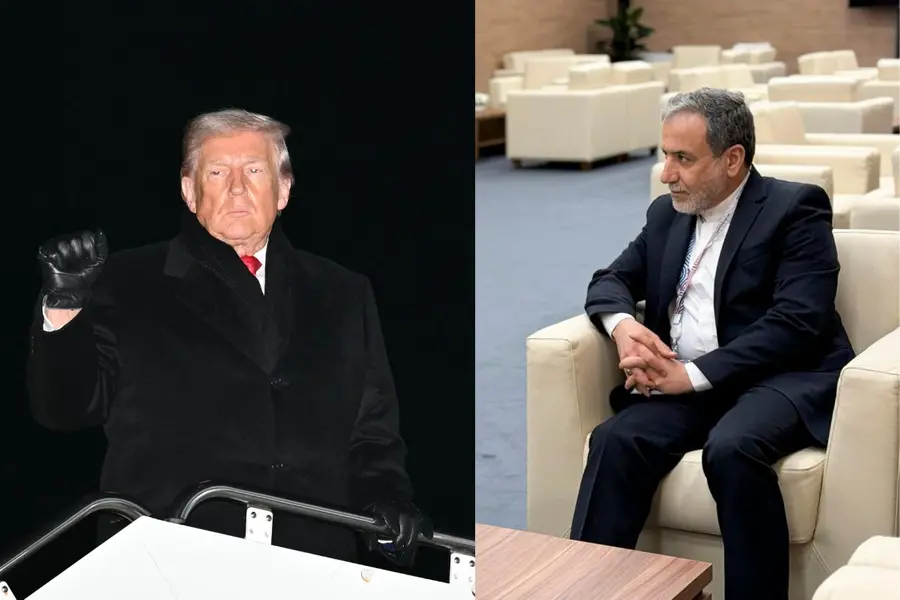
New York: The United States and Iran held a three-hour meeting in New York on the sidelines of the UN General Assembly, opening a fresh channel for diplomacy as the nearly seven-month-old conflict continues. Tehran has reportedly linked the reopening of the Strait of Hormuz to specific conditions, including an end to the US naval blockade and the release of frozen Iranian assets.
US and Iranian officials held a three-hour meeting on Tuesday in New York during the UN General Assembly, according to US President Donald Trump and reports from the region. The talks involved senior US officials, including Special Envoy Steve Witkoff, while Iranian Foreign Minister Abbas Araghchi represented Tehran. Reports also said Jared Kushner took part in the US delegation.
Also Read

The meeting came after months of conflict and stalled negotiations between Washington and Tehran. Trump described the talks as positive and said he believed reaching an agreement was in Iran's interest. He also indicated that further discussions could take place.
There was no immediate announcement of a ceasefire or broader agreement following the meeting.
What conditions has Iran set for reopening Hormuz?
The Strait of Hormuz has become one of the central issues in the negotiations because of its importance to global oil and shipping routes.
According to a senior Iranian official cited by Reuters, Tehran has said it could reopen the strategic waterway to Gulf shipping within about a week if Washington reduces military pressure and lifts its blockade of Iranian ports. Iran had already conveyed a proposal to the US through mediators on September 16.
Iranian state media also reported that Tehran raised demands including:
- an immediate lifting of the naval blockade
- the release of frozen Iranian assets
- an end to the war across what Tehran describes as all "resistance" fronts
- a clear US commitment to resolving the conflict through diplomacy
The reported conditions indicate that Iran is linking the reopening of the waterway to wider political and economic issues rather than treating shipping access as a separate matter.
Why the Strait of Hormuz matters
The Strait of Hormuz is a critical passage for global energy supplies. Disruptions there can affect oil shipments, freight costs and energy prices far beyond the Middle East.
The continuing conflict has already contributed to volatility in energy markets. Oil prices fell during parts of Tuesday's trading session as investors responded to signs that Washington and Tehran could resume negotiations.
For Gulf countries, restoring predictable shipping through the waterway is particularly important because their economies and energy exports depend heavily on secure maritime routes.
Trump's position on Iran's nuclear programme
While signalling that negotiations remain possible, Trump has continued to make Iran's nuclear capability a central condition for any agreement.
Speaking in New York, Trump said the US would not allow Iran to obtain a nuclear weapon. His comments came shortly after his UN General Assembly address, where he presented negotiations and further military action as the two possible paths ahead.
Trump has also said that the US and Iran have continued communicating and that he believes a settlement can eventually be reached.
Iran says it is open to diplomacy
Tehran has also indicated that it remains willing to return to negotiations, but Iranian officials have called for Washington to demonstrate that it genuinely wants a diplomatic solution.
A senior Iranian official told Reuters that the UN General Assembly represents an opportunity for the US to return to diplomacy. Iran's proposal reportedly calls for Washington to formally signal its diplomatic intentions before negotiations resume. Iranian President Masoud Pezeshkian and Foreign Minister Araghchi are in New York for the UN General Assembly, providing an opportunity for contacts between the two sides despite the continuing conflict.
No breakthrough announced yet
Despite the three-hour meeting and positive comments from Trump and Witkoff, the two sides have not announced a comprehensive agreement.
The positions remain substantially different. Washington continues to focus on preventing Iran from acquiring a nuclear weapon, while Tehran has tied progress on Hormuz and negotiations to an easing of military pressure, economic restrictions and other conditions.
The latest meeting therefore marks a new diplomatic contact rather than a confirmed end to the conflict.
Why this meeting matters
The New York talks bring together three issues that have become closely connected during the conflict: the war itself, Iran's nuclear programme and the Strait of Hormuz.
For Washington, any settlement would need to address the nuclear issue. For Tehran, reopening Hormuz appears to be connected to the removal of military and economic pressure. That creates a difficult negotiating structure in which progress on one issue could depend on concessions on another.
The timing is also significant. The UN General Assembly has brought senior Iranian and US officials into the same city while regional governments are pressing for greater stability. Gulf states have a direct interest in restoring secure shipping through key waterways, while disruptions have already affected energy markets and supply chains.
The three-hour meeting shows that communication between Washington and Tehran remains possible despite the military confrontation. However, there is currently no confirmed agreement on a ceasefire, Hormuz reopening or the nuclear issue.
Published: 23 Sept 2026, 06:28 am IST
ABOUT THE AUTHOR
Disclaimer: Kindly avoid objectionable, derogatory, unlawful and lewd comments, while responding to reports. Such comments are punishable under cyber laws. Please keep away from personal attacks. The opinions expressed here are the personal opinions of readers and not that of Mathrubhumi.