
The Strait of Hormuz, which connects the Persian Gulf with the Arabian Sea, is one of the world’s most important energy corridors
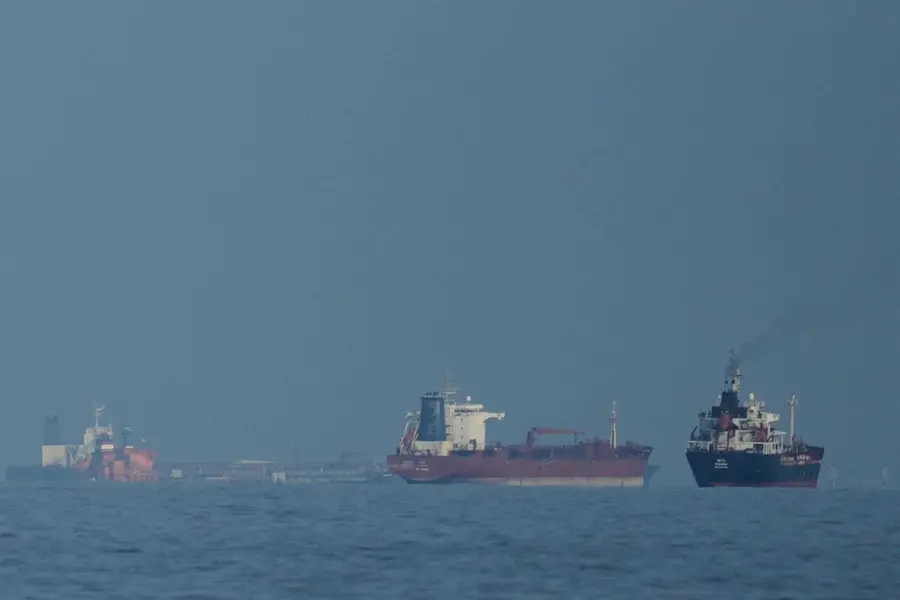
Tehran: Reports of a complete halt in maritime traffic through the Strait of Hormuz have heightened global concerns over escalating tensions in the Gulf region, with data cited by Marine Traffic indicating that no vessels passed through the strategic waterway in the past 24 hours.
According to Russian state media outlet RT, the development marks a sharp disruption compared to the pre-war daily average of more than 130 ships navigating the crucial oil transit route.
The Strait of Hormuz, which connects the Persian Gulf with the Arabian Sea, is one of the world’s most important energy corridors, and any prolonged disruption is expected to have significant implications for global trade and oil supplies.
At the United Nations, Gulf countries including Qatar, Bahrain and the United Arab Emirates called for coordinated international action, backing a proposed UN Security Council resolution aimed at pressuring Iran over maritime security concerns.
ALSO READ | Ceasefire or countdown? Gulf tensions explode again after US tanker strikes
The draft resolution, co-authored with Saudi Arabia, Kuwait and the United States, seeks punitive measures if Iran does not halt alleged attacks on commercial shipping, cease “illegal tolls”, and disclose the locations of naval mines to ensure freedom of navigation.
Speaking at the UN, senior diplomats from the Gulf states stressed the need to restore pre-conflict shipping levels and proposed establishing a humanitarian corridor through the strait to facilitate the delivery of essential goods, including aid and fertilisers.
However, Iran has strongly rejected the accusations. Tehran’s Permanent Representative to the UN, Amir-Saeid Iravani, accused the United States of violating a ceasefire through military activity near the strait.
ALSO READ | Satellite images reveal massive oil spill near Iran's Kharg Island
In a letter to UN Secretary-General António Guterres and the President of the Security Council, Iravani alleged that recent US actions targeting Iranian oil tankers near Jask Port amounted to a breach of international law and the UN Charter.
He warned that continued military escalation in the Persian Gulf and the Strait of Hormuz could have “catastrophic consequences” extending beyond the region and threatening global peace and security.
Published: 09 May 2026, 09:25 pm IST
Related Topics
Disclaimer: Kindly avoid objectionable, derogatory, unlawful and lewd comments, while responding to reports. Such comments are punishable under cyber laws. Please keep away from personal attacks. The opinions expressed here are the personal opinions of readers and not that of Mathrubhumi.
