
She called her removal an "anti-democratic coup" and condemned the destruction of her father's residence.
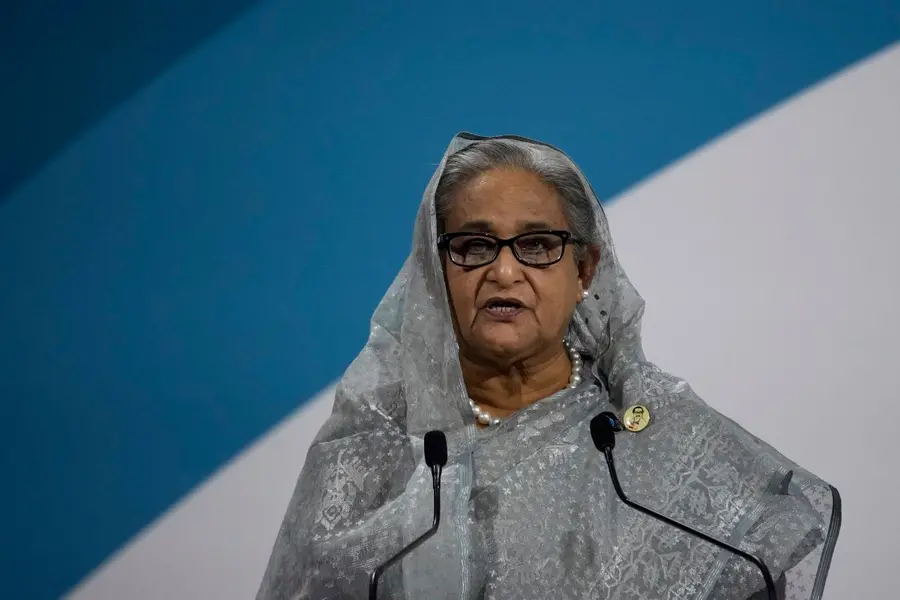
New Delhi: Former Bangladesh Prime Minister Sheikh Hasina, in her first interview since her ouster in August, accused the Muhammad Yunus-led government of authoritarianism, terror affiliations, and systematic attacks on minorities.
She described her violent ouster in August as an “anti-democratic coup” that forced her to flee for safety.
Hasina, speaking to NDTV, said the turmoil unfolded as “legitimate student protests were exploited by anti-democratic forces who conspired to remove the elected government through violence and intimidation,” leading to mass chaos and loss of life. She lamented, “It was painful to leave behind my homeland”, but emphasised her faith in Bangladesh’s democratic spirit.
She condemned the mob destruction of 32 Dhanmondi, her father Sheikh Mujibur Rahman’s historic residence, calling it “a barbaric attempt to erase the legacy of our hard-fought battle for independence.” Hasina emphasised, “This legacy lies not in places or physical objects, but in the values they embodied: democracy, equality, secularism, and economic emancipation.”
Addressing political developments, Hasina accused the Yunus government of deliberately delaying elections out of “fear of facing voters’ judgment,” calling February polls a “charade” intended to legitimise what she described as an “illegitimate government.” She decried the ban on her party, the Awami League, as “disenfranchising tens of millions.”
Hasina raised alarm over “waves of systematic violence” targeting Hindu and other minority communities, which she said are “politically and religiously motivated attacks.” Decrying state inaction, she stated, “The state has not only failed to protect them; it has actively sanctioned these brutal attacks by denying their very existence.”
This comes as the Bangladeshi judges will deliver their verdict on Monday in the crimes against humanity trial of Hasina.
On foreign influence, Hasina dismissed rumours of a U.S. role in her ouster but suggested some Western circles initially mistook Yunus’s economic reputation for political credentials. “I have seen no decisive evidence to suggest foreign powers influenced last summer’s events,” she said.
Expressing gratitude for India’s asylum, Hasina noted the two nations share “4,000 kilometres of border, deep family and cultural ties, and critical security interests.” She stressed, “Bangladesh’s future must be determined independently... I believe India understands this and would prefer to deal with a mature and authoritative partner governing with the genuine consent of the people.”
On regional geopolitics, Hasina warned that Yunus’s regime’s growing ties with Pakistan and extremists risk turning Bangladesh into a safe haven for terror elements. “Yunus has elevated these extremists into positions of power and created conditions for them to flourish,” she said.
Concluding, Hasina affirmed her fight for Bangladesh’s democratic values and urged international support, saying, “A stable, democratic Bangladesh benefits us all” and calling for the restoration of secularism and economic emancipation.
Published: 17 Nov 2025, 08:12 am IST
Related Topics
Disclaimer: Kindly avoid objectionable, derogatory, unlawful and lewd comments, while responding to reports. Such comments are punishable under cyber laws. Please keep away from personal attacks. The opinions expressed here are the personal opinions of readers and not that of Mathrubhumi.
