
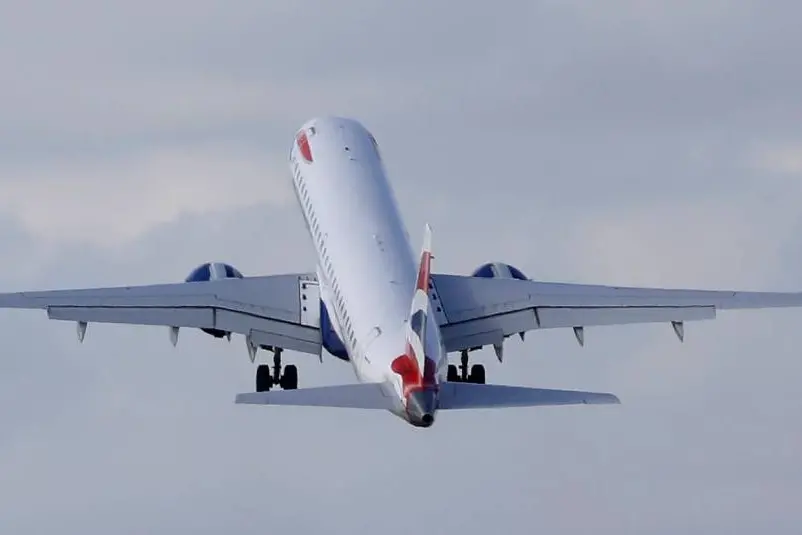
In light of recent airplane crashes, many people have turned to the internet to search for the safest seat on a plane. This follows the tragic accidents involving an Azerbaijan Airlines flight in Kazakhstan and a Jeju Air Boeing in South Korea, which raised significant concerns about aviation safety.
These crashes, which claimed 38 and 179 lives respectively, underscore the unpredictability of air travel, particularly during emergencies. A common thread in both incidents was the seatings of the survivors: in both crashes, most survivors were seated in the rear of the plane. But does this suggest that seats at the back are inherently safer, or is it merely coincidental?
Additionally, these major accidents were followed by a Brazil plane crash that killed a family of 10 and a Papua New Guinea islander crash that claimed the lives of five. Let's explore this question further in the wake of these recent tragedies.
Is air travel safe?
Despite the rare and tragic nature of air crashes, air travel remains one of the safest modes of transportation. While crashes like the ones in Kazakhstan and South Korea often dominate the headlines, the global fatality rate for air travel is exceptionally low compared to other transport modes. According to the World Health Organization (WHO) and Federal Aviation Administration (FAA), air travel’s fatality rate is a mere 0.003 deaths per 100 million passenger miles, far lower than road travel, which has a fatality rate of 1.18 deaths per 100 million miles in the US.
The fatality rate in air travel has decreased significantly in recent years, with the International Civil Aviation Organization (ICAO) reporting just 17 deaths per billion passengers in 2023, down from 50 in 2022.
Which is safer—front, middle, or back of the plane?

A common question following major crashes like these is which seats are the safest during an emergency. Research on seat safety, though not definitive, offers some insights. Studies on past air accidents suggest that seats in the rear of the plane may offer a slight advantage in terms of survival rates.
A study by Popular Mechanics analyzing crashes between 1971 and 2005 found that passengers seated in the rear had a 40% higher chance of survival than those seated in the front. Additionally, a report by Max Foster, a British journalist, citing the US National Transportation Safety Board, suggests that sitting in the rear of the plane increases survival chances to 69%, compared to 49% in the front and 59% in the middle sections of the plane.
However, there are exceptions, as seen in the 1989 United Airlines crash, where most survivors were seated behind the first class.
Which is safer—window, aisle, or middle seat?
Seat choice within the section of the plane also plays a role. A study based on FAA data from 1985 to 2000, the middle seat in the rear section of the plane had the lowest fatality rate, followed by window seats. Aisle seats, on the other hand, had a higher fatality rate, likely because passengers in aisle seats are more exposed during sudden impacts.
Passengers in middle seats benefit from being "buffered" by the people next to them, which may help protect them in certain types of crashes.
How can travelers ensure safety while flying?
While seat location may influence survival chances, it’s important to remember that there is no guaranteed “safe” seat on an airplane. The safety of passengers depends largely on the nature of the crash, the type of impact, and several other unpredictable factors. That said, there are ways travelers can improve their chances in case of an emergency.
Experts recommend familiarizing yourself with the safety procedures, knowing the nearest exits, and paying attention to the safety briefings. It’s also advised to avoid alcohol, wear comfortable clothing for quick movement, and keep your carry-on luggage to a minimum in case of evacuation.
Published: 30 Dec 2024, 09:00 pm IST
Related Topics
Disclaimer: Kindly avoid objectionable, derogatory, unlawful and lewd comments, while responding to reports. Such comments are punishable under cyber laws. Please keep away from personal attacks. The opinions expressed here are the personal opinions of readers and not that of Mathrubhumi.