
Pro-Palestinian activist Mahmoud Khalil sues the Trump administration for $20 million, alleging unlawful arrest and detention.
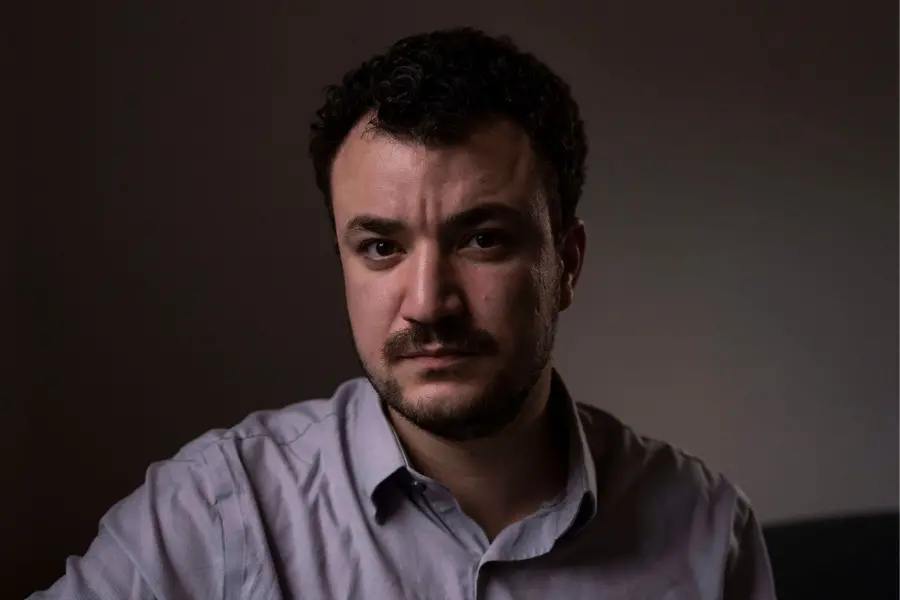
New York: Mahmoud Khalil, a prominent figure in the wave of pro-Palestinian student protests across US campuses, has filed a $20 million lawsuit against the Trump administration, alleging unlawful arrest and detention by immigration authorities.
The 30-year-old, a legal permanent resident of the United States who is married to a US citizen and has a US-born child, was taken into custody by federal immigration agents in March and held for over three months in a Louisiana detention centre. His release was ordered by a judge last month, who granted him bail.
Backed by the Center for Constitutional Rights, Khalil’s legal filing claims the Trump administration "carried out its illegal plan to arrest, detain, and deport Mr. Khalil 'in a manner calculated to terrorize him and his family.'" According to the claim, he endured "severe emotional distress, economic hardship (and) damage to his reputation."
A graduate of Columbia University, Khalil became one of the most visible leaders of student-led demonstrations opposing U.S. support for Israel's military campaign in Gaza. His outspoken activism drew national attention and led to the Trump administration branding him a national security threat.
Calling the lawsuit a "first step towards accountability," Khalil said, "Nothing can restore the 104 days stolen from me. The trauma, the separation from my wife, the birth of my first child that I was forced to miss. There must be accountability for political retaliation and abuse of power."
He had previously recounted the conditions of his detention, describing them as “horrendous” and saying he "shared a dorm with over 70 men, absolutely no privacy, lights on all the time."
In defence of the administration’s actions, Assistant Secretary for the Department of Homeland Security Tricia McLaughlin said, “The Trump Administration acted well within its statutory and constitutional authority to detain Khalil, as it does with any alien who advocates for violence, glorifies and supports terrorists, harasses Jews, and damages property.”
Officials under President Donald Trump argued that Khalil’s continued stay in the US could cause “potentially serious adverse foreign policy consequences.” His detention took place amid broader efforts by Trump to clamp down on U.S. universities, including threats to cut funding and revoke accreditation in response to foreign student activity and protests.
While Khalil is now free, his legal team has expressed concern for his safety outside of custody, fearing possible threats.
(With inputs from AFP)
Published: 11 Jul 2025, 07:55 am IST
Related Topics
Disclaimer: Kindly avoid objectionable, derogatory, unlawful and lewd comments, while responding to reports. Such comments are punishable under cyber laws. Please keep away from personal attacks. The opinions expressed here are the personal opinions of readers and not that of Mathrubhumi.
