
Tensions between Pakistan and the Taliban government escalated after Islamabad said its military operations would continue despite threats of retaliation
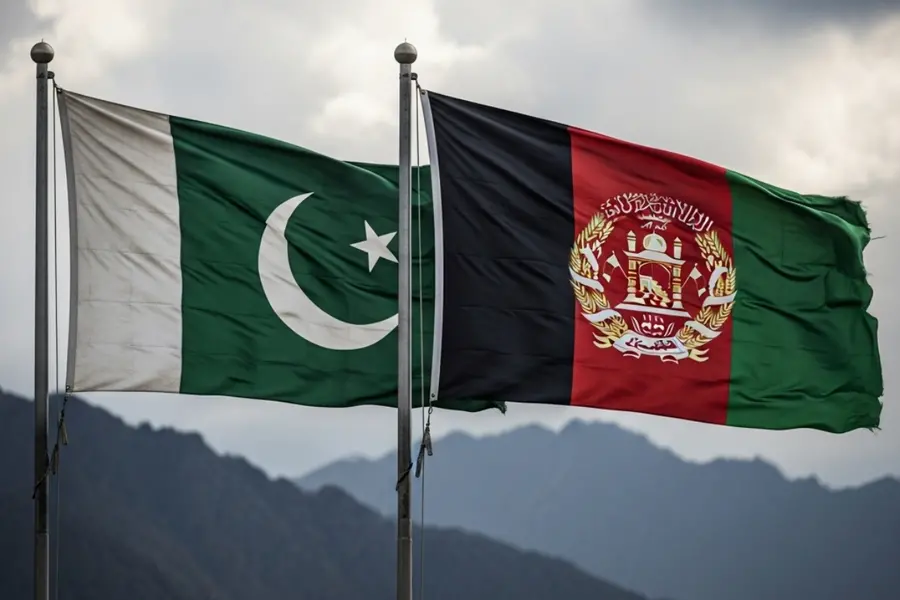
The sabre-rattling between Pakistan and Afghanistan escalated on Monday after the former vowed to continue its operations "at full pace" despite the Taliban warning of retaliation in the wake of a Pakistani airstrike on its territory.
In a statement posted on X, Pakistan's military leadership said, "The Afghan Taliban Regime has yet again failed to stop the Khwarij from use of Afghan soil for terrorist activities inside Pakistan, that too in the holy month of Ramadan. Pakistan will not exercise any restrain and operations would continue against the perpetrators of this henious and cowardly act for justified retribution against Khwarij irrespective of their location."
Also Read

It further noted, "Counter Terrorism campaign under vision 'Azm-e-Istehkam' (as approved by the Federal Apex Committee on National Action Plan) by Security Forces and Law Enforcement Agencies of Pakistan will continue at full pace to wipe out the menace of foreign-sponsored and supported terrorism from the country.'
The statement came a day after the Taliban leadership formally vowed to retaliate. The Pakistani military utilized F-16 and JF-17 Thunder aircraft to target seven distinct locations near the Durand Line. According to Pakistan's Information Minister, Attaullah Tarar, the "intelligence-based, selective operations" were directed at camps belonging to the Tehrik-e-Taliban Pakistan (TTP) and its affiliates, as well as a cell linked to the Islamic State.
Heavy explosions were reported in the Barmal district of Paktika province and the Margha area, with missiles reportedly striking the Banusi madrasa. Minister Tarar emphasized that while Pakistan strives for regional stability, the "safety and security of Pakistani citizens remain a top priority."
In a sharp rebuttal, the Taliban issued a statement asserting that Kabul reserves the right to respond at a time and nature of its choosing. Following the strikes, senior Taliban leaders convened emergency meetings for internal consultations on potential retaliatory measures.
The Taliban has further escalated the diplomatic fallout by informing mediating nations -- including Saudi Arabia, Qatar, and Turkey -- of the developments. Kabul continues to deny Pakistan's long-standing allegations that it provides a safe haven for militants staging attacks across the border.
A Pattern of Conflict
This latest military action mirrors a similar escalation in October, when Pakistani strikes deep inside Afghanistan led to deadly clashes and the closure of critical border crossings. While a fragile ceasefire was brokered following those events, the 2,600-km frontier remains a volatile flashpoint.
The disruption of trade and movement along the border has historically followed these military incursions, and there are growing concerns that the current standoff could once again paralyze the regional economy if a de-escalation is not achieved through international mediation.
'Attempt to Externalize Internal Failures'
India issued a sharp condemnation of Pakistan's operation on Sunday, citing civilian deaths during the holy month of Ramadan.
In a significant diplomatic intervention, External Affairs Ministry (MEA) condemned the strikes, highlighting the humanitarian toll. Ministry spokesperson Randhir Jaiswal stated that the attacks resulted in the deaths of women and children.
"India strongly condemns Pakistan’s airstrikes on Afghan territory that have resulted in civilian casualties, including women and children, during the holy month of Ramadan. It is another attempt by Pakistan to externalise its internal failures. India reiterates its support for Afghanistan’s sovereignty, territorial integrity and independence," the MEA statement read.
Published: 23 Feb 2026, 12:33 pm IST
Disclaimer: Kindly avoid objectionable, derogatory, unlawful and lewd comments, while responding to reports. Such comments are punishable under cyber laws. Please keep away from personal attacks. The opinions expressed here are the personal opinions of readers and not that of Mathrubhumi.