
Afghanistan`s Taliban mulls retaliation against Pakistan following overnight airstrikes in eastern and southeastern regions.
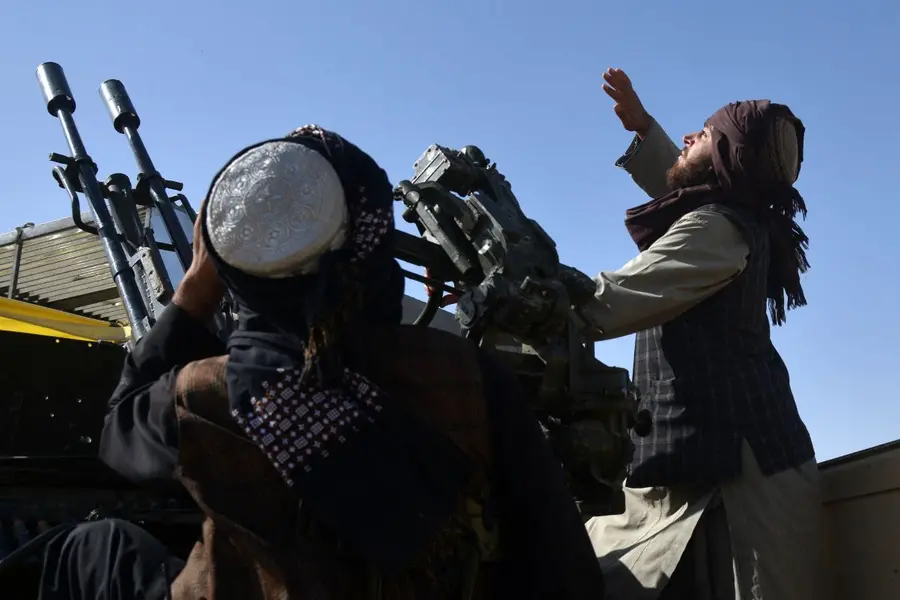
Afghanistan’s ruling Taliban has warned that retaliation against Pakistan remains under active consideration after overnight airstrikes hit multiple locations across eastern and south-eastern Afghanistan, killing dozens of militants linked to the Pakistani Taliban.
According to News18, senior figures within the movement said that Kabul is still evaluating the scale of the cross-border assault but insists it reserves the right to respond.
Sources close to the leadership accused Islamabad of breaching Afghan sovereignty, saying Pakistani fighter jets targeted areas along the frontier in a coordinated operation. They confirmed that at least 28 fighters of the Tehreek-e-Taliban Pakistan were killed.
A senior Taliban figure said authorities were still reviewing the situation. “We are assessing the Pakistan strikes,” the source noted, adding that investigations are under way to determine the full extent of the damage. Accusing Pakistan of crossing a red line, the source said: “Pakistan has violated Afghan airspace” and insisted the Taliban “has the right to retaliate.”
According to the official, Kabul’s response remains a matter of timing: “We will strike back at the perfect time.”
Emergency meetings as Kabul weighs options
Senior members of the Afghan Taliban leadership have convened urgent discussions in both Kabul and Kandahar to assess the fallout. While no formal decision has yet been announced, sources suggested that internal consultations are moving quickly.
“It is too early to say something definitive on the Pakistani strikes, but Kabul will definitely retaliate,” one source said, adding that mediators – including Saudi Arabia, Qatar and Türkiye – have been informed of the Taliban’s position. The group claims Pakistan has violated understandings reached during previous ceasefire arrangements.
Pakistan says strikes targeted militants behind recent attacks
Islamabad confirmed early Sunday that it carried out what it described as precision operations along the border, targeting hideouts used by militants responsible for recent deadly attacks inside the country. The operation reportedly involved Pakistan Air Force deploying F-16 Fighting Falcon and JF-17 Thunder aircraft.
The strikes hit multiple locations across Paktika Province, Paktia Province, Nangarhar Province and Khost Province, including the Barmal district where residents reported several explosions. Additional fire was directed at the Banusi madrasa area of Bermal, according to local accounts.
Pakistan’s Information Minister Attaullah Tarar wrote on X before dawn that security forces had conducted “intelligence-based, selective operations” against “seven camps belonging to the Pakistani Taliban” as well as an affiliate of Islamic State Khorasan Province. Islamabad said it possesses “conclusive evidence” linking several recent suicide attacks – including bombings in Islamabad, Bajaur District and Bannu District – to militants operating from Afghan territory.
Pakistan maintains that it has repeatedly urged Kabul to prevent anti-Pakistan groups from using Afghan soil, arguing that failure to act left Islamabad “no choice” but to conduct cross-border operations.
Violence surges on both sides of the border
The latest escalation follows a string of attacks targeting Pakistani security forces. Hours before Sunday’s strikes, two Pakistani soldiers – including a lieutenant colonel – were killed in Bannu District when a suicide bomber rammed an explosives-laden vehicle into a convoy. Earlier in the week, an assault on a security post in Bajaur District killed 11 soldiers and a child; authorities later identified the attacker as an Afghan national.
Pakistan’s military warned after Saturday’s incidents that it would not “exercise any restraint” and that operations would continue “irrespective of their location” – a statement widely interpreted as signalling a willingness to strike across the border.
Regional tensions deepen as ceasefire understandings strain
Ties between the neighbours have been fraught since deadly skirmishes erupted along the frontier last October. While a Qatar-mediated truce helped ease tensions, talks in Istanbul failed to secure a formal settlement. Both sides have since traded allegations over militant safe havens.
Islamabad has again urged the international community to press the Taliban to uphold commitments made under the Doha Agreement, including preventing the use of Afghan territory for attacks on other states. Kabul, meanwhile, insists Pakistan’s actions amount to repeated violations of its sovereignty.
(With AP inputs)
Published: 22 Feb 2026, 07:50 am IST
Related Topics
Disclaimer: Kindly avoid objectionable, derogatory, unlawful and lewd comments, while responding to reports. Such comments are punishable under cyber laws. Please keep away from personal attacks. The opinions expressed here are the personal opinions of readers and not that of Mathrubhumi.
