
Discover why Pakistan`s citizens face immense tax burdens with little to no welfare in return. Explore the economic crisis and its impact on the common person.
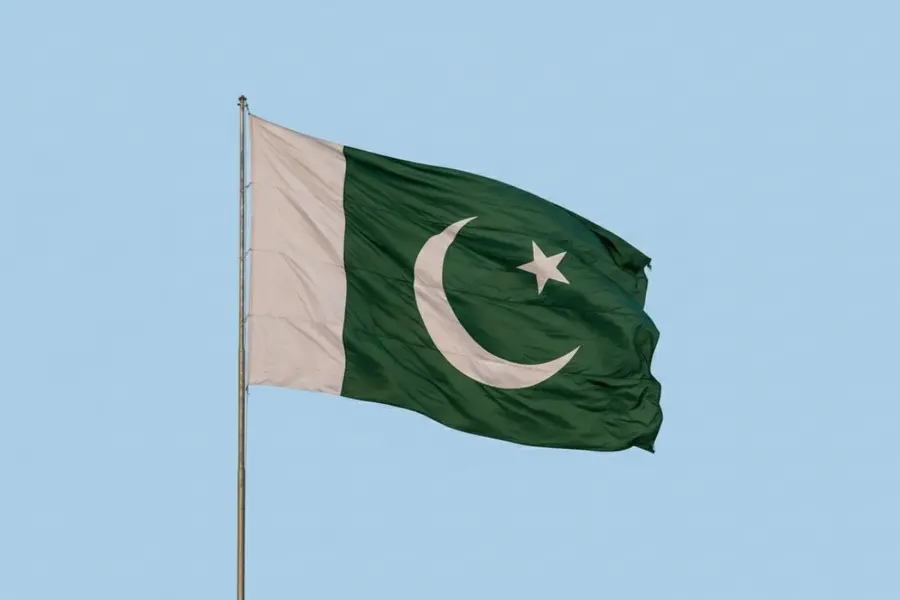
Lahore: Successive governments in Pakistan, both civilian and military, have imposed increasingly high and regressive taxes while failing to provide adequate welfare support, pushing citizens into an acute cost-of-living crisis, according to an article published in a Pakistani publication.
The Lahore-based 'The Friday Times' argued that Pakistan’s fiscal crisis goes beyond budget deficits and macroeconomic indicators. It described the situation as a “broken social contract”, marked by a widening gap between what citizens pay in taxes and what they receive in public services.
High taxation, weak welfare delivery
The article said high taxation without effective welfare delivery has not only failed to generate sustainable revenue but has also eroded public trust, discouraged investment and weakened Pakistan’s formal economy.
Pakistan’s economic stagnation is often attributed to low productivity, weak exports and limited innovation. However, the article contended that these are symptoms rather than root causes. It argued that the real issue lies in a state-engineered cost structure that has made doing business prohibitively expensive.
Citing a private sector analysis reported by 'Nikkei Asia', the article noted that operating a business in Pakistan is 34 per cent more expensive than in comparable South Asian economies.
The study, conducted by the 'Pakistan Business Forum', found that the excess costs are structural and policy-induced rather than cyclical. The analysis said the burden stems from cumulative taxation policies and regulatory inefficiencies.
Narrow tax base, rising debt burden
According to the article, only 3.4 million effective taxpayers, roughly 4 per cent of Pakistan’s 85.6 million workforce, fund the state. It described the situation as a “war on the middle class”, alleging that a small, documented segment of the population bears the brunt of taxation while large sections of the informal economy remain outside the tax net.
The publication argued that Pakistan does not necessarily collect too little revenue in terms of its tax-to-GDP ratio, but that it taxes irrationally, imposing high rates on a narrow base with low yield and tax expenditures nearing Rs 5 trillion.
Despite successive mini-budgets, super taxes, petroleum levies, expanded withholding regimes and presumptive taxation, Pakistan’s debt-to-tax ratio remains above 700 per cent, the article said.
Informal economy remains largely untaxed
A limited group, salaried individuals, documented businesses, corporate entities and compliant exporters, continues to finance what the article described as a bloated public apparatus.
Meanwhile, large segments of the informal economy, including retail and wholesale trade, remain largely undocumented. The agriculture sector is minimally taxed, and real estate speculation continues under preferential regimes, it said.
Instead of broadening the tax base, fiscal policymakers have repeatedly increased tax rates on already documented taxpayers, further straining the formal sector and dampening economic growth, the article added.
IANS
Published: 22 Feb 2026, 08:52 pm IST
Related Topics
Disclaimer: Kindly avoid objectionable, derogatory, unlawful and lewd comments, while responding to reports. Such comments are punishable under cyber laws. Please keep away from personal attacks. The opinions expressed here are the personal opinions of readers and not that of Mathrubhumi.
