
Key border crossings between Pakistan and Afghanistan remain closed into a second day after deadly clashes over the weekend left dozens of soldiers dead and hundreds of civilians stranded.
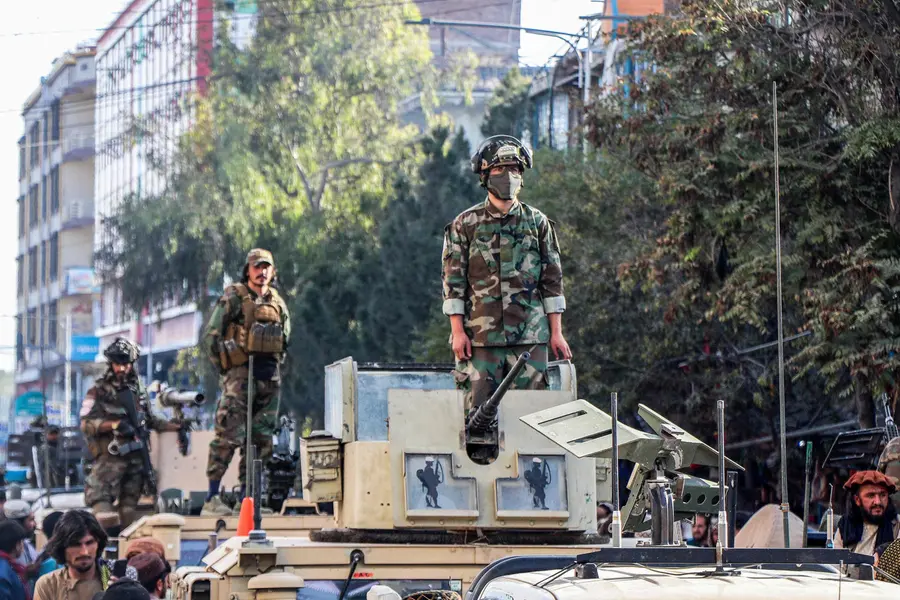
Islamabad: Border tensions between Pakistan and Afghanistan escalated over the weekend, leaving key crossings closed for trade and civilian movement on Monday, October 13, 2025. The flare-up follows deadly clashes along the Durand Line, which stretches 2,611 kilometres and remains unrecognised by Afghanistan.
According to reports, Afghan forces struck multiple Pakistani military posts late Saturday, claiming to have killed 58 Pakistani soldiers in retaliation for alleged incursions into Afghan territory. Pakistan’s military, however, reported 23 of its soldiers killed and said retaliatory strikes killed more than 200 “Taliban and affiliated terrorists.”
Also Read

Pakistan’s Defence Minister Khawaja Mohammad Asif, army chief Field Marshal Asim Munir, and other officials attended a mass funeral in Rawalpindi for the fallen soldiers. Asif described the sacrifices as “the ultimate act of defending the territorial integrity of Pakistan” and reaffirmed the country’s commitment to protect its borders.
Despite the violence, no fresh exchanges of fire were reported after Sunday. Nevertheless, all border crossings remain shut. At the Chaman crossing, around 1,500 Afghan nationals were allowed to return home on foot, while the Torkham crossing remained fully closed, affecting both traders and Afghan refugees attempting to leave Pakistan.
The heightened tensions follow allegations by Afghanistan’s Taliban government that Pakistan carried out airstrikes in Kabul and eastern Afghanistan, claims that Islamabad has not confirmed. Pakistan has long accused Kabul of sheltering members of the banned Tehreek-i-Taliban Pakistan (TTP), blamed for attacks inside Pakistan. Kabul denies these allegations, stating it does not allow its territory to be used against other countries.
The recent clashes are the deadliest along the Durand Line in years and underscore the fragile security situation and deteriorating relations between the two neighbouring nations. The timeline for reopening border crossings remains uncertain as authorities continue to monitor the tense situation.
(With AFP inputs)
Published: 13 Oct 2025, 11:21 pm IST
Related Topics
Disclaimer: Kindly avoid objectionable, derogatory, unlawful and lewd comments, while responding to reports. Such comments are punishable under cyber laws. Please keep away from personal attacks. The opinions expressed here are the personal opinions of readers and not that of Mathrubhumi.