
With both sides claiming major casualties, the latest violence exposes deep fractures over militancy, sovereignty and refugee tensions
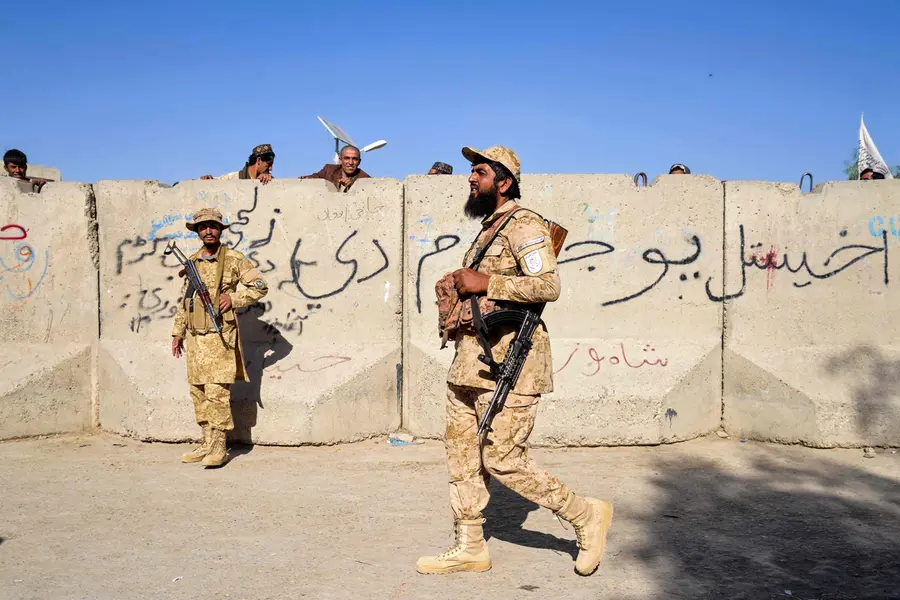
Heavy fighting between Afghan and Pakistani forces along their border has left dozens of soldiers dead, with both sides issuing conflicting casualty figures amid rising regional tensions.
Afghanistan-Pakistan border clashes: What we know so far
Also Read

One of the deadliest border confrontations in recent years erupted over the weekend between Afghan and Pakistani forces, with both governments making rival claims about casualties and territorial control. Afghan officials said their forces killed 58 Pakistani soldiers and captured 25 military posts in retaliatory attacks, while Pakistan’s army claimed to have killed over 200 Taliban fighters and destroyed multiple enemy positions.
According to the Taliban administration’s spokesperson, Zabihullah Mujahid, the attacks began late Saturday across several areas bordering Pakistan, including Angoor Adda, Bajaur, Kurram, Dir, and Chitral in Khyber Pakhtunkhwa, as well as Bahram Chah in Balochistan. Mujahid described the assault as a response to earlier strikes in Kabul and Paktika, which the Taliban blamed on Pakistan.
Pakistan’s Inter-Services Public Relations (ISPR) confirmed the deaths of 23 soldiers and said at least 29 others were injured. The statement accused the Taliban government of “actively facilitating terrorists” and stated that Pakistan’s armed forces “repelled the assault decisively” and “destroyed multiple terrorist hideouts” across the border.
TOLOnews, Afghanistan’s state-run broadcaster, reported that the country’s Ministry of Defence had deployed tanks and heavy weapons along the 2,640-km Durand Line as clashes continued intermittently.
What triggered the clashes?
The renewed fighting follows a series of explosions in Kabul and Paktika province on Thursday, which the Taliban government alleged were caused by Pakistani air strikes targeting Tehrik-e-Taliban Pakistan (TTP) leaders. Islamabad did not confirm or deny the operations, but Pakistani officials suggested the strikes aimed at TTP commander Noor Wali Mehsud.
Pakistan has long accused the Taliban administration of harbouring TTP militants who carry out cross-border attacks. The Taliban denies these claims. Tensions between the two sides have worsened since Pakistan began deporting Afghan refugees and conducting cross-border air operations in recent months.
According to data from the Centre for Research and Security Studies (CRSS), at least 2,414 people have been killed in militant violence in Pakistan in 2025 so far, making it one of the deadliest years since the Taliban’s return to power in Afghanistan in 2021.
Official reactions and statements
Pakistani Prime Minister Shehbaz Sharif condemned the Afghan attacks, calling them “unprovoked” and asserting that the army had “destroyed several posts” and “forced retreat.” Interior Minister Mohsin Naqvi accused the Taliban of violating international law by firing on civilian populations.
On the other hand, Afghanistan’s Ministry of Defence described the operations as a “retaliatory” response to airspace violations and warned that future incursions would be met with “strong retaliation.”
Afghan Foreign Minister Amir Khan Muttaqi, who was visiting India at the time of the clashes, has not publicly commented, but his diplomatic engagement with New Delhi is seen by analysts as a factor adding to Pakistan’s unease.
Regional and international response
Iran, Saudi Arabia, and Qatar have all called for restraint and dialogue.
Iranian Foreign Minister Abbas Araghchi urged both nations “to exercise restraint” and said stability along the Afghanistan-Pakistan frontier was essential for broader regional security.
Saudi Arabia’s foreign ministry echoed similar sentiments, stressing “dialogue and wisdom” to de-escalate tensions.
India, currently hosting Afghan officials, has not issued a statement. Analysts believe New Delhi’s engagement with the Taliban, including Muttaqi’s visit, could influence Islamabad’s response and regional diplomatic calculations.
Could the conflict escalate?
Experts believe a full-scale escalation remains unlikely, given both countries’ current domestic challenges.
Former Pakistani diplomat Asif Durrani said Afghanistan “lacks conventional military capacity” to engage Pakistan in prolonged warfare. Security analysts like Ibraheem Bahiss and Mehmood Jan Babar argue that both sides will likely prioritise diplomacy to prevent further bloodshed.
However, the core issue remains unresolved — the TTP’s presence inside Afghanistan. As long as the Taliban government refuses to acknowledge or curb the group’s activities, Islamabad’s military pressure and cross-border operations are expected to continue.
Published: 12 Oct 2025, 07:32 pm IST
Related Topics
Disclaimer: Kindly avoid objectionable, derogatory, unlawful and lewd comments, while responding to reports. Such comments are punishable under cyber laws. Please keep away from personal attacks. The opinions expressed here are the personal opinions of readers and not that of Mathrubhumi.