
The most severe “Extended Disruption” scenario envisions the Strait remaining largely closed through the end of 2026
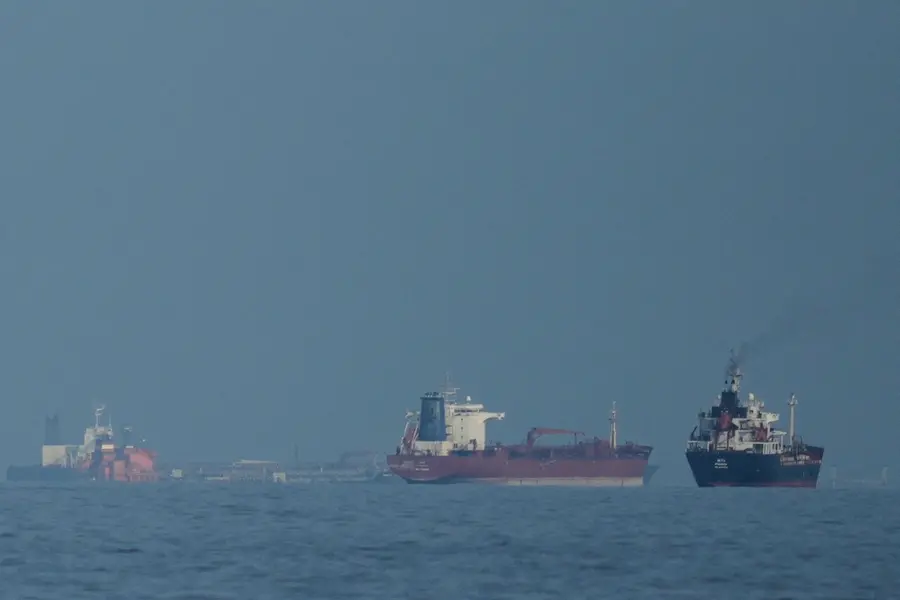
New Delhi: Global crude oil prices could surge to $200 per barrel in a worst-case scenario if the Strait of Hormuz remains closed, according to a report by energy consultancy Wood Mackenzie.
The report warns that ongoing geopolitical tensions linked to the Iran conflict have already unsettled global energy markets, pushing oil prices higher and raising concerns over inflationary pressures and potential interest rate hikes worldwide.
Wood Mackenzie outlined three possible scenarios depending on how long the Strait of Hormuz, one of the world’s most critical energy transit routes remains disrupted, and how quickly supply flows resume.
In the most optimistic “Quick Peace” scenario, a resolution is reached by June, leading to a rapid easing of tensions. Under this outcome, Brent crude is projected to fall to around $80 per barrel by the end of 2026 and decline further to $65 in 2027 as supply normalises.
A second “Summer Settlement” scenario assumes prolonged negotiations and continued disruption through the third quarter of 2026. In this case, oil and liquefied natural gas (LNG) shortages would persist, with risks of a shallow global recession emerging in the second half of the year.
ALSO READ | Did Wall Street help fund China’s military rise? US Congress points fingers at top banks
The most severe “Extended Disruption” scenario envisions the Strait remaining largely closed through the end of 2026, significantly constraining global energy flows. In this case, oil prices could spike to as high as $200 per barrel, even as global oil demand falls by around 6 million barrels per day in the second half of 2026. The global economy could contract by up to 0.4% during the year.
The report highlights that more than 11 million barrels per day of Gulf crude and condensate shipments, along with over 80 million tonnes per annum of LNG—around 20% of global supply—could be affected if disruptions persist.
Wood Mackenzie’s Head of Economics, Peter Martin, said the Strait of Hormuz is the most critical chokepoint in global energy markets, warning that a prolonged closure would have far-reaching consequences beyond the energy sector, impacting trade, industrial activity, and global growth.
The report also suggests that extended disruption could accelerate a shift towards alternative energy sources, particularly in Asia and Europe, while boosting demand for US LNG exports as countries seek to diversify supply chains.
ALSO READ | Let the rupee fall? Economist urges RBI to avoid ₹100 barrier, calls for policy shift
Published: 22 May 2026, 11:40 am IST
Related Topics
Disclaimer: Kindly avoid objectionable, derogatory, unlawful and lewd comments, while responding to reports. Such comments are punishable under cyber laws. Please keep away from personal attacks. The opinions expressed here are the personal opinions of readers and not that of Mathrubhumi.
